8 ‘Expensive’ Things that Save Money (From the Woman Who Crab-Walked to the Library)
This website may earn commissions from purchases made through links in this post. As an Amazon Associate, I earn from qualifying purchases.

Cheap shoes, overpriced takeaway, and that library incident—sometimes, spending saves you money. Here are 10 ways spending more can help you save more.

Spend more to save more—sounds backwards, right?
(And when money’s tight, it’s not always possible!)
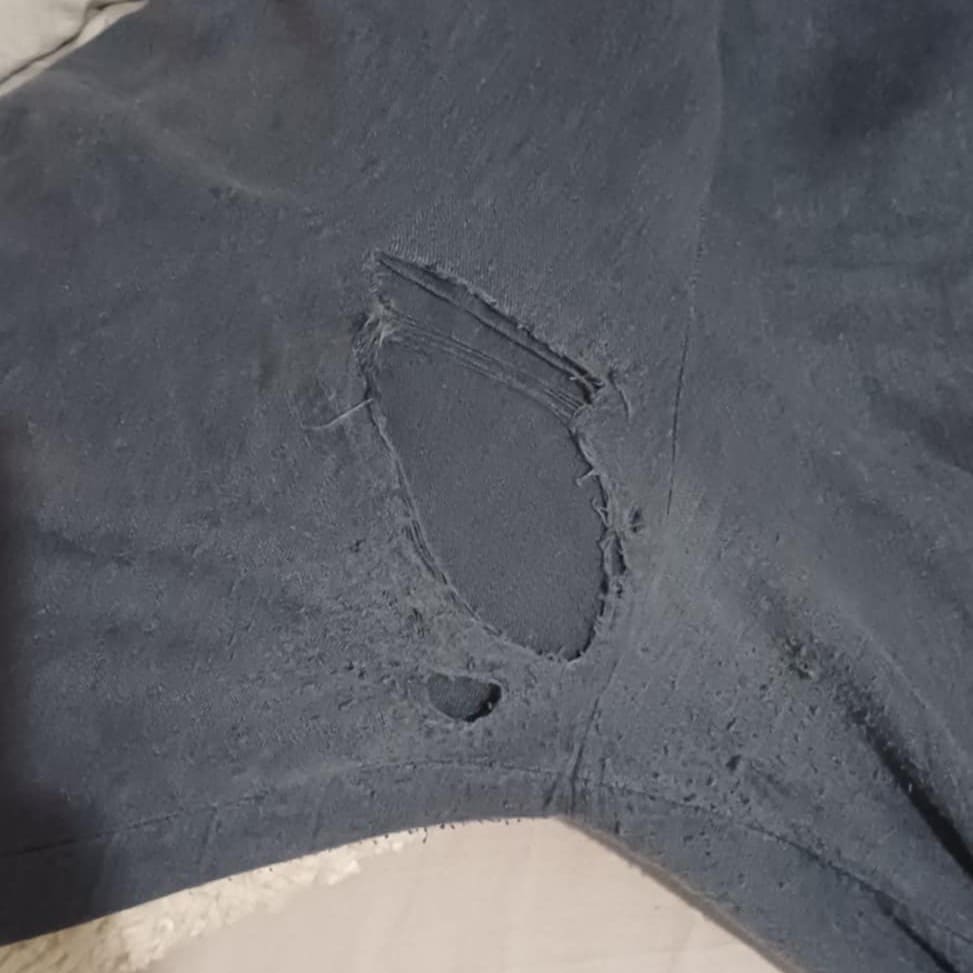
But take my recent fail as a prime example: I thought, ‘Why spend $50 on a pair of pants that will only last a season when I can spend $20 on a pair of pants that will last the same time?!’
The logic is solid, right?
Then, a month later, I’m walking the kids to the library, when suddenly RIP! My bargain pants betray me, and my butt is suddenly hanging out.
Now imagine a female Mr Bean crab-walking around the long way—back to the wall—in an attempt to hide my knickers from the public.
I waited outside, casually leaning against the wall while the kids were inside browsing, and I DROPPED THE LIBRARY CARD ON THE GROUND.
The ground is a long way down when you have a tear in your duds.
So now, imagine me trying to slide down the wall to reach the card without further tearing my pants.
Then–and I’m not even kidding—imagine me trying to swan dive—leg in the air—to reach the damn card.
Finally, hear the loud RIP of my pants practically falling apart in the street.
Needless to say, I spent more on pants in the long run.
Also, I can no longer visit the library without wearing a hat and dark glasses.
And it got me thinking—what else is worth spending more on upfront?
Frugality isn’t about buying the cheapest option; it’s about shopping smarter when you have the means.
Below are 10 ‘expensive’ things that I currently find worth buying to save money in the long run.
Which ones can you relate to, and which ones are meh?
1. Quality Shoes
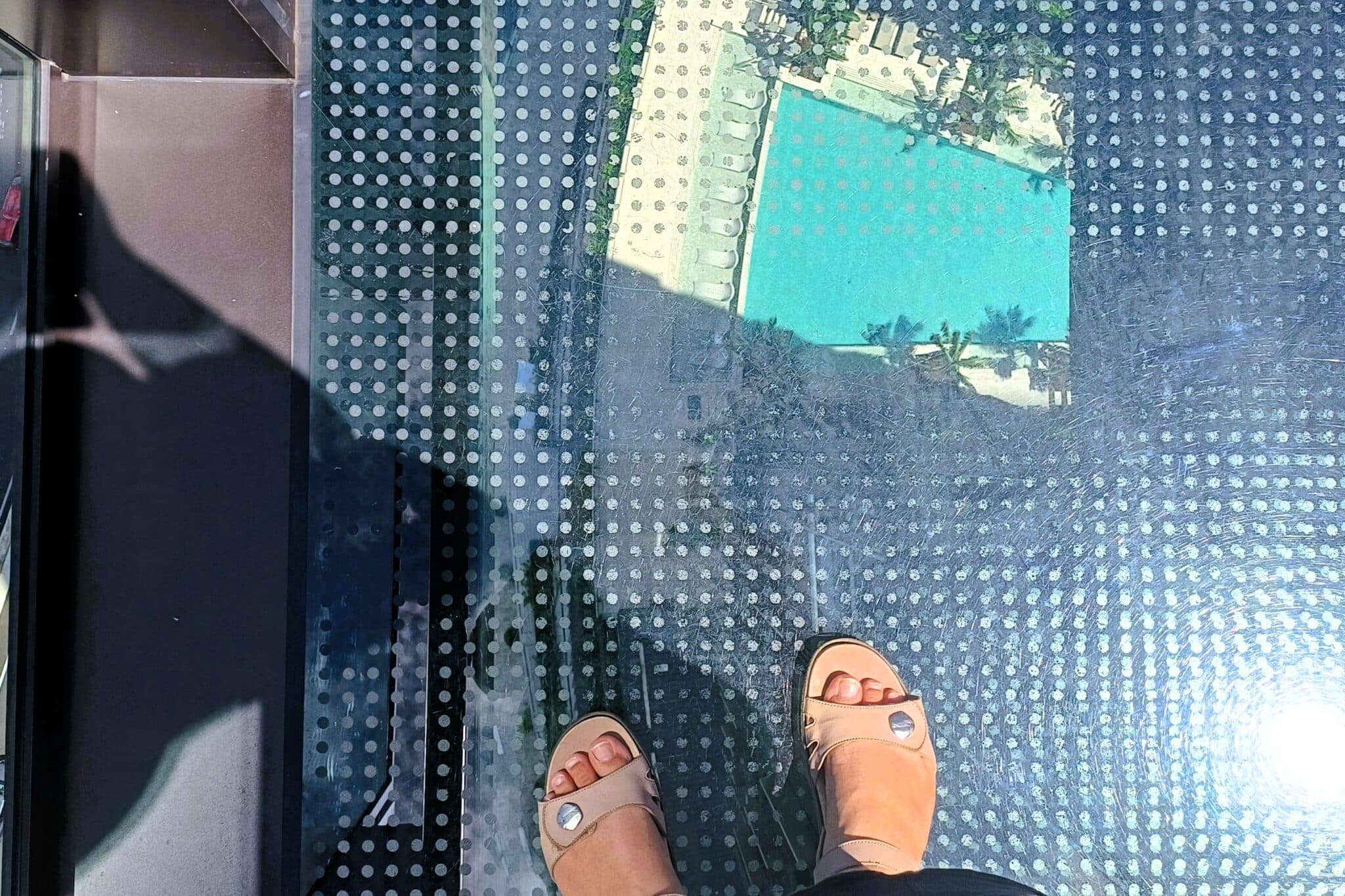
Going to the podiatrist is expensive.
Trust this middle-aged woman who hobbles around on painful feet; good-fitting, supportive shoes pay dividends throughout your life.
And since getting arch-support shoes, my foot pain has vastly improved.
This is not true for all shoes. The thongs (flip flops for non-Aussies) I wear to the clothesline were $2 cheapos.
And with young kids’ shoes…they grow out of them so fast, it’s probably not worth getting super-expensive shoes. But buying my teens quality school shoes, on the other hand (on sale), means they last most of the year while keeping their feet comfortable.
2. Pre-Cut Salad & Veggies
Hear me out on this, ok?
Because pre-prepared foods are, like, the total opposite of every piece of frugal advice. Ever.
And when I was younger and had more time and energy, I would have said ‘DIY is always cheaper!’
But on busy nights, when time is short, and soccer practice goes long, a bag of pre-cut stir fry mix (minus that one big chunk of cabbage core–what’s up with that?) and some pre-cut meat is way cheaper than Maccas drive-through.
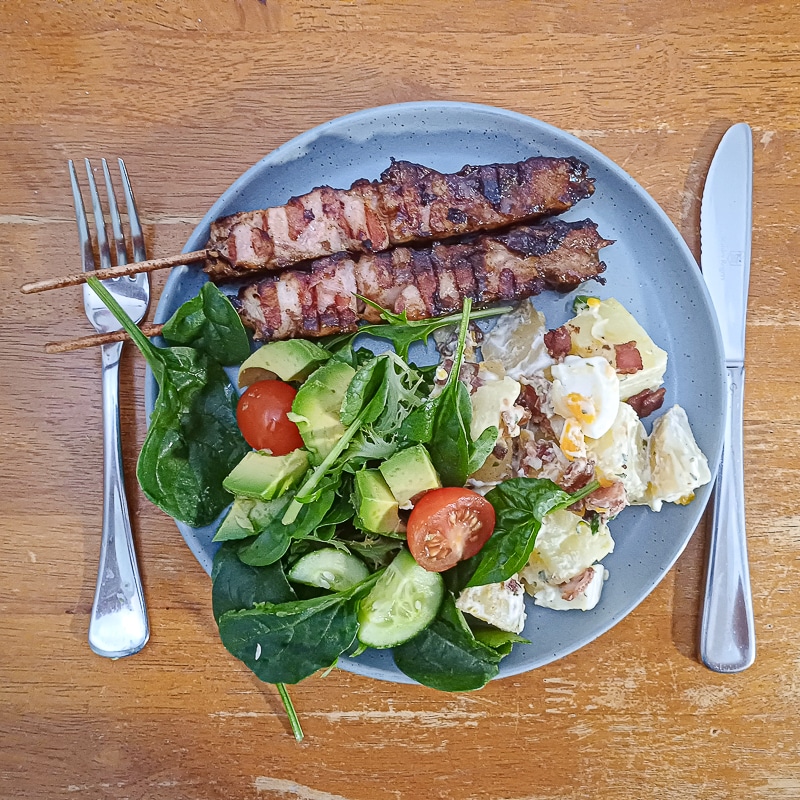
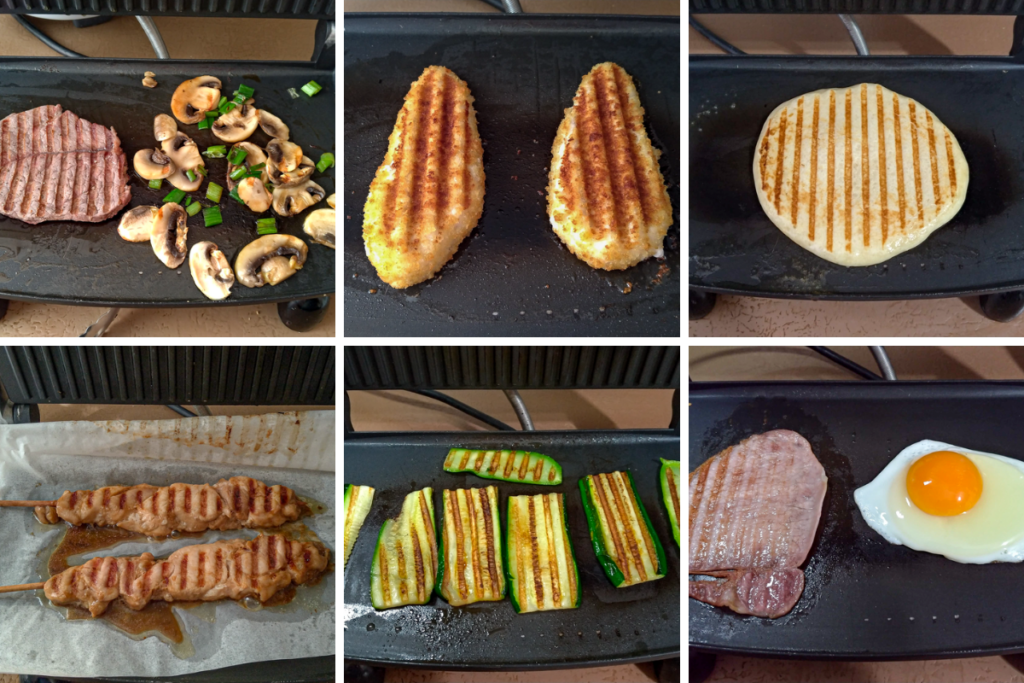
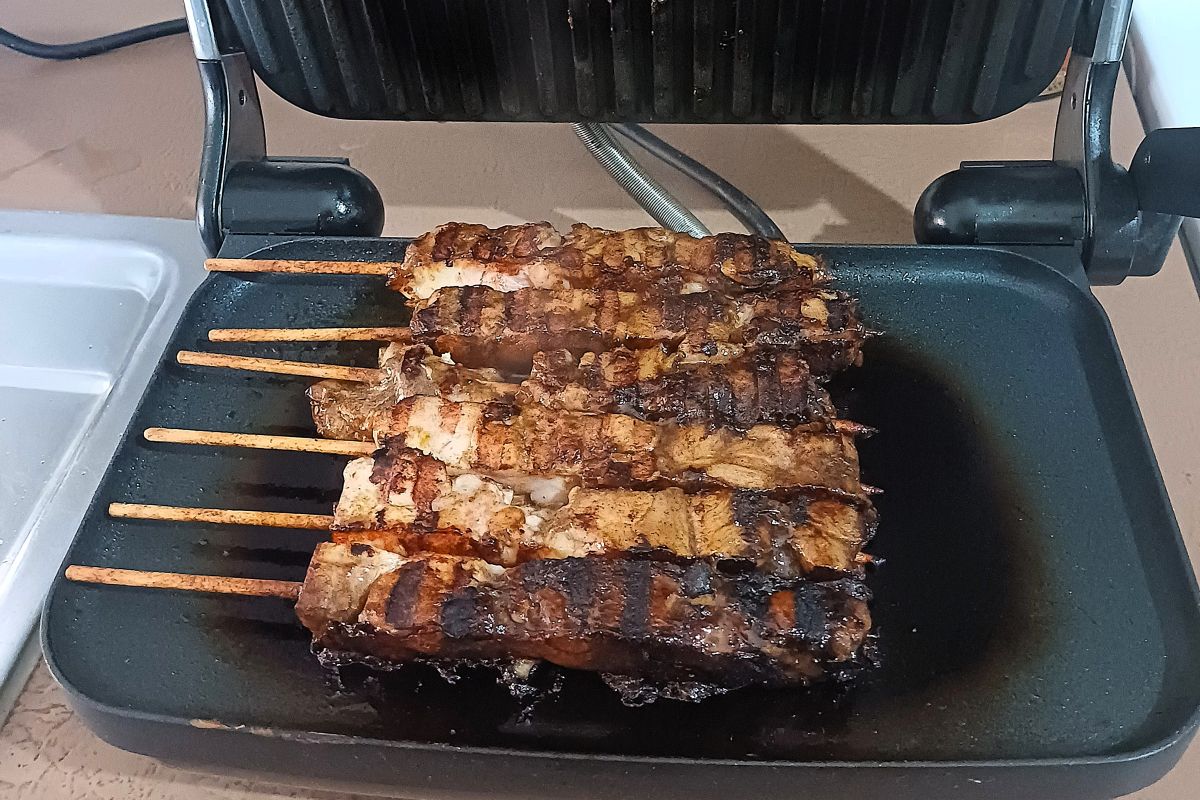
One of our favourite easy meals is pre-marinaded skewers, cooked in two minutes on the sandwich press and served with a side salad. It ends up faster than takeaway, healthier, and cheaper.
It’s not the absolute cheapest option, but in the long run, it saves us a ton.

3. An Insulated Water Bottle
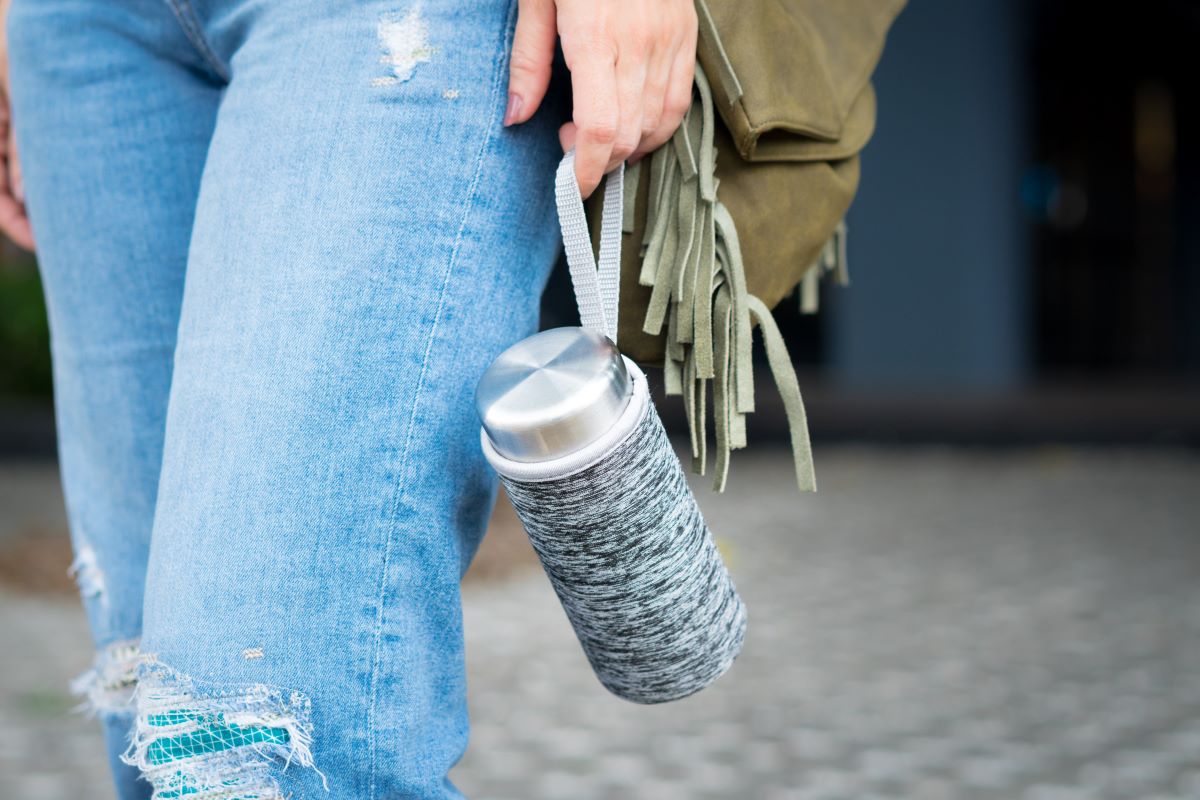
Last week, we went to Brisbane, and I decided to travel light.
Expensive mistake.
At 32 degrees and 85% humidity, hydration is non-negotiable, but with no water bottle, I ended up paying $6 (!!) for a 300ml bottle of water.
(This pretty much cancelled out the 50-cent train fare, thanks to my lack of preparedness.)
Fun fact: Australia, incidentally, has the most expensive bottled water on the planet. We also have some of the best tap water on the planet, so why do we buy bottled? Mostly, like me, we buy it on the go.
“The desire to take the route of convenience and grab water on the go has created a market that last year generated $650 million in revenue, with a long-term growth rate of about 16 per cent per year, the [Australian Beverages] council said.”
While not as convenient, a good-sized, insulated water bottle that keeps your water cold can save you, on average (according to the stats), $580 a year.
And you don’t need to spend a fortune or join a water bottle craze—Big W and Coles often have quality insulated bottles at half-price during sales, so you can grab one while doing your weekly grocery shop.
4. Rechargeable Batteries
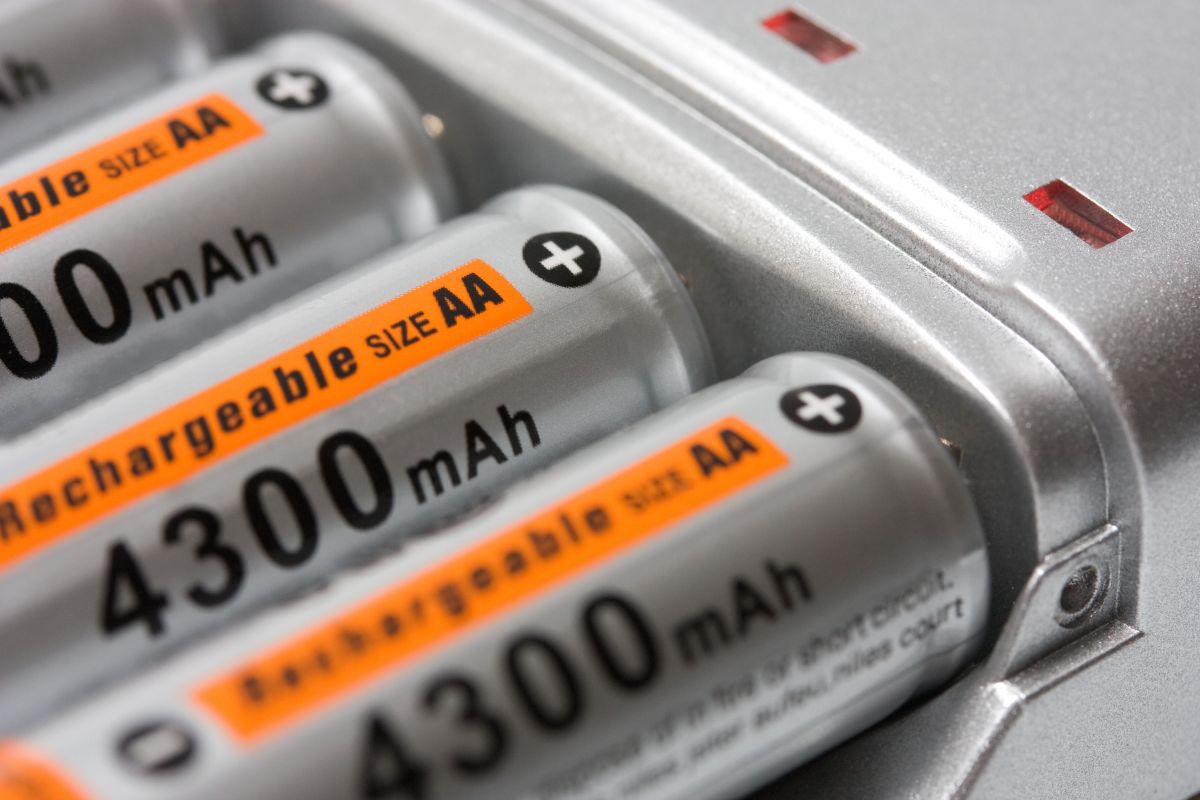
If you have a ton of gadgets that take batteries, rechargeable batteries will save you a ton in the long run, especially if you buy them on sale.
(As long as you can find the charger!)
A pack of AA batteries might cost $10 for a single use, whereas a set of rechargeable AAs can last for years—saving hundreds of dollars over time.
Nowadays, more and more devices are USB-chargeable. Don’t get me wrong, I love the convenience of these items, like my reading light (Amazon link), which I use for sewing. But I worry that once the battery dies, the whole device ends up in landfill.
Unlike traditional rechargeable batteries, you can’t just swap in a fresh set.
There’s also the practicality issue—you’re not always near a USB charger. That’s why DS’s Scout torches require battery power, and our disaster prep kit includes battery-powered (and wind-up) torches.
So, investing in rechargeable batteries—and keeping some devices that still use them—will save you money and hassle in the long run.
5. Small Appliances
Small appliances aren’t always cheaper than the stove.
For example, even though I absolutely love my rice cooker—mainly because I don’t have to watch it or worry about it boiling over—it can be cheaper to cook rice on a ceramic or inductions stovetop.
That said, some small appliances can save you money, compared to your standard stove and oven, as well as time and hassle. According to Choice, these include:
- A microwave
- An air fryer (not practical for big families or large amounts of food)
- Possibly a slow cooker
I would add our sandwich press to the list, which is used every. single. day.
It takes seconds to pre-heat, compared to the frying pan on our old stove, and because it cooks from below and above at the same time, it takes less than half the time to cook something in the frying pan.
As mentioned, skewers can be on the table in about five minutes.
We also make a 5-minute souvlaki for busy nights, and the sandwich press is on for less than 10 minutes in total, saving a ton compared to using the stove or oven.
The upfront cost of these appliances might not seem frugal, but when they cut cooking time, energy use, and takeaway temptations, they pay for themselves pretty quickly.
6. Noise-Cancelling Headphones

Noise Cancelling headphones saved me $600,000.
Ok, so that’s a bit of a lie.
But what they do save is my sanity.
You see, I work from home in a TINY townhouse.
Which means I’m trying to work in the lounge room while:
- The kids are watching TV.
- The neighbours on the other side of the cardboard wall are either fighting or making up.
- And the lady over the back is in her courtyard chain-smoking and rehashing on speaker phone—yet again—all the drama of her exes.
To have a peaceful, private home office would mean buying another house. Hence, the $600,000. Probably closer to $1mil these days.
Instead, noise-cancelling headphones let me block out the chaos and focus—without the real estate upgrade.
According to studies, they may also reduce hearing damage from cranking up the volume on your earbuds (although that ship might have sailed for me after my Metalica Walkman days).
That said, there’s some early discussion that constant use might lead to auditory processing issues, though there are no solid studies yet. So, like all things, moderation is probably key.
For me? They’re worth every cent. And way cheaper than moving.
7. A Menstrual Cup
Every body is different, so what works for me might not work for you.
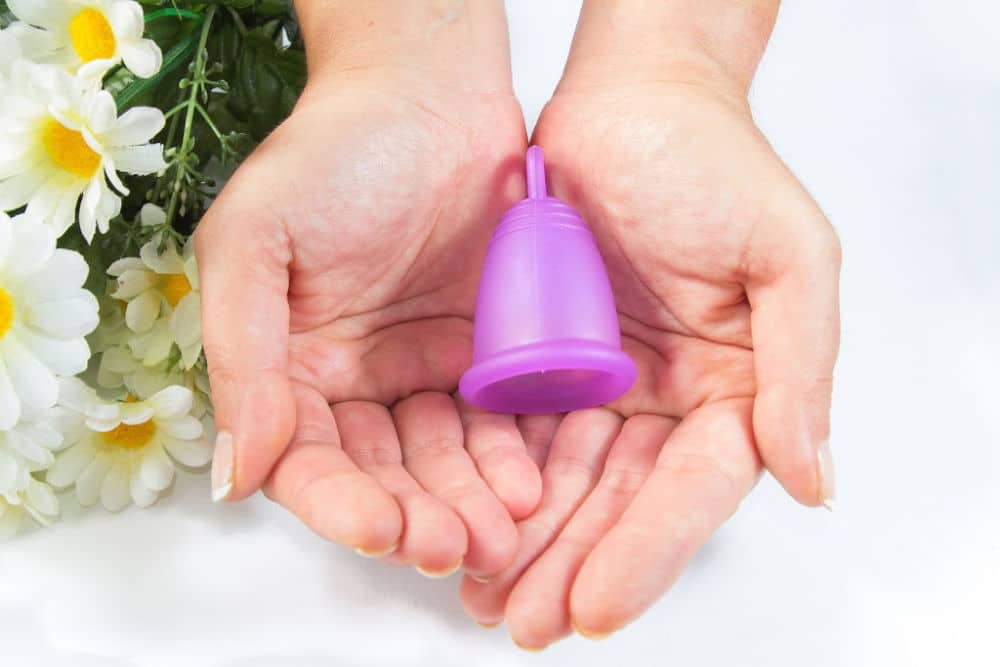
But a menstrual cup (plus backup menstrual knickers) not only saves me money but makes life more convenient and comfortable.
A menstrual cup holds more, so I no longer have to duck into the bathroom every 5 minutes (I’m not even exaggerating). And it lasts years, so I no longer have to duck into the shop every month for disposables.
And don’t even get me started about the agony of a single hair getting stuck on the sticky part of a pad. Every step to the bathroom? Wince-worthy.
The cost of a cup or menstrual underwear can seem steep upfront, but as a cup can potentially last up to 10 years (mine was closer to 7 when I needed to replace it), it can save you a ton compared to monthly disposables.
8. Reusable Beeswax Covers, Silicone Covers, Storage
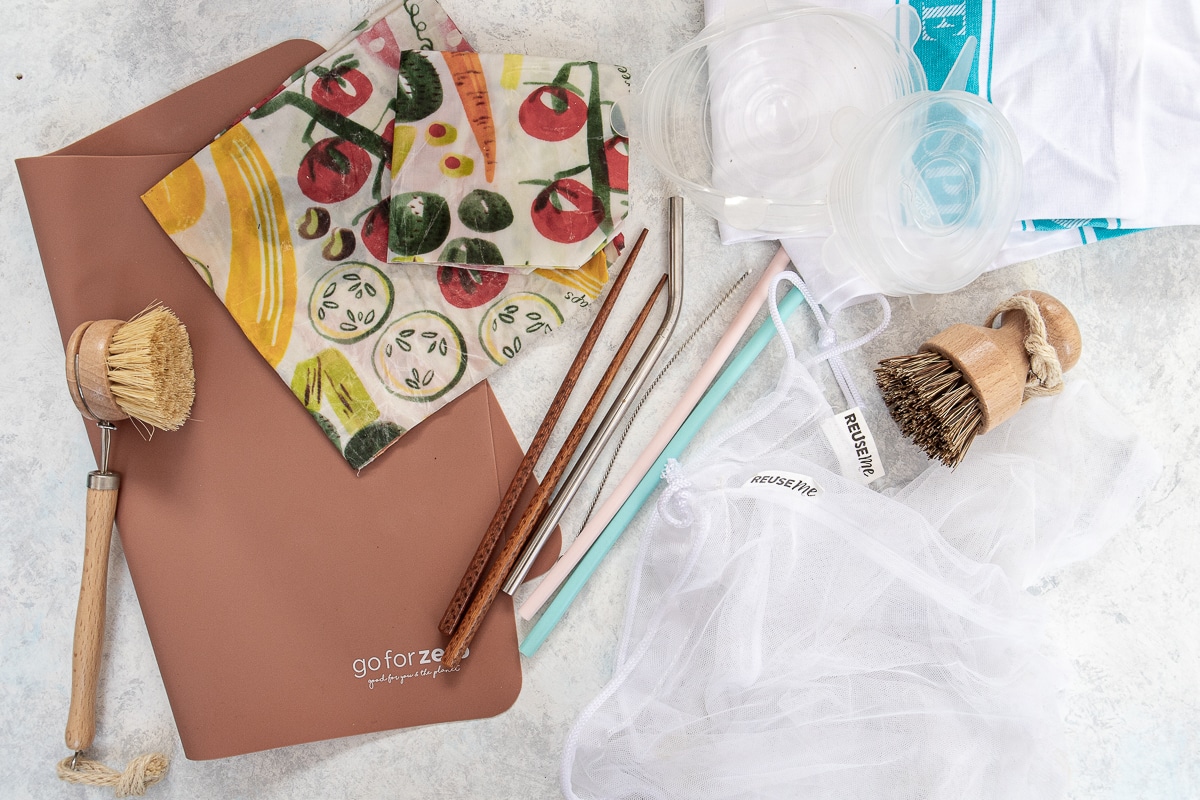
To be honest, this hasn’t personally cost me money—but only because I have a friend who gifts me beeswax wraps and silicone covers every year for my birthday.
(Hey, it’s a change from the usual tea towels and candles that are common at this age!)
So, if you’re looking to switch from disposables for free, maybe add them to your Santa list!
That said, if you regularly buy plastic wrap, making the switch can save you a ton over time. Apart from the fact that glad wrap is an absolute nightmare to use (or am I the only one who ends up tangled in it while it clings to itself instead of the bowl?), it’s expensive to keep replacing and terrible for the environment.
With reusable wraps and silicone covers, you buy them once and use them for years, cutting down on waste and your grocery bill.
Sometimes, the cheapest option ends up costing you more—whether it’s money or, in my case, my dignity.
But spending wisely isn’t about buying the most expensive thing either. After all, you can buy good-quality second-hand and still save on the upfront costs. It’s about choosing quality where you can and where it counts.
What’s been your smartest “expensive” buy? Or have you ever regretted going for the cheapest option?

Hello from someone who was following you before, and has just returned…
Wonderful article, this. You are SO sensible I’m surprised you haven’t been banned as a danger to consumer society.
Best as always from DANN (returned from Indonesia)
Hi Dann, thanks. Hope your trip was good.