8 Sneaky Ways I Was Wasting Money (And What I Changed)
This website may earn commissions from purchases made through links in this post. As an Amazon Associate, I earn from qualifying purchases.
From clutter to energy bills, we were wasting money in invisible ways. Here’s how I spotted the leaks and started saving.
(Originally published in 2015. Updated in 2025.)
I was once asked what is my number one frugal tip.
If you Google it, you’ll find articles listing 50, 100, even 141 ‘best’ frugal tips, and there are lots of good ideas to choose from.
But put on the spot, I went completely blank. You’d think after writing about frugal living for years, I’d have an answer at the ready.
Nope. Brain blackout.
Later, probably while poking through a crisper drawer of limp vegetables, it hit me.
If I had to focus on just one frugal tip – and one only – I reckon it’s this:
Reduce waste.
Not just food waste, although that’s a big one. I’m talking about waste in all its sneaky forms:
Money down the drain. Electricity seeping out while we sleep. Forgotten pantry doubles. Stuff we meant to return or repair. Guilt purchases. Good intentions that turn into bin-night.
Over the years, I’ve realised that nearly every frugal habit I’ve learned, from buying second-hand, budgeting, to cooking from scratch, has had one thing in common: they all reduce waste or keep it to a minimum.
So, if you’re tired of feeling like you’re constantly chasing savings, this might be the simplest mindset shift to start with.
Here are eight places where I’ve personally wasted more money than I’d like to admit, along with how I’ve learned to plug the leaks.
Disclaimer: This is general information only. In this blog, I share my personal savings and budget stories and what works for us. You should always consult a qualified financial expert when making money decisions.
1. The Science Experiment at the Bottom of the Crisper
We used to shop at a lovely local greengrocer; great prices and locally grown produce. The only catch? Everything came in bulk bags.
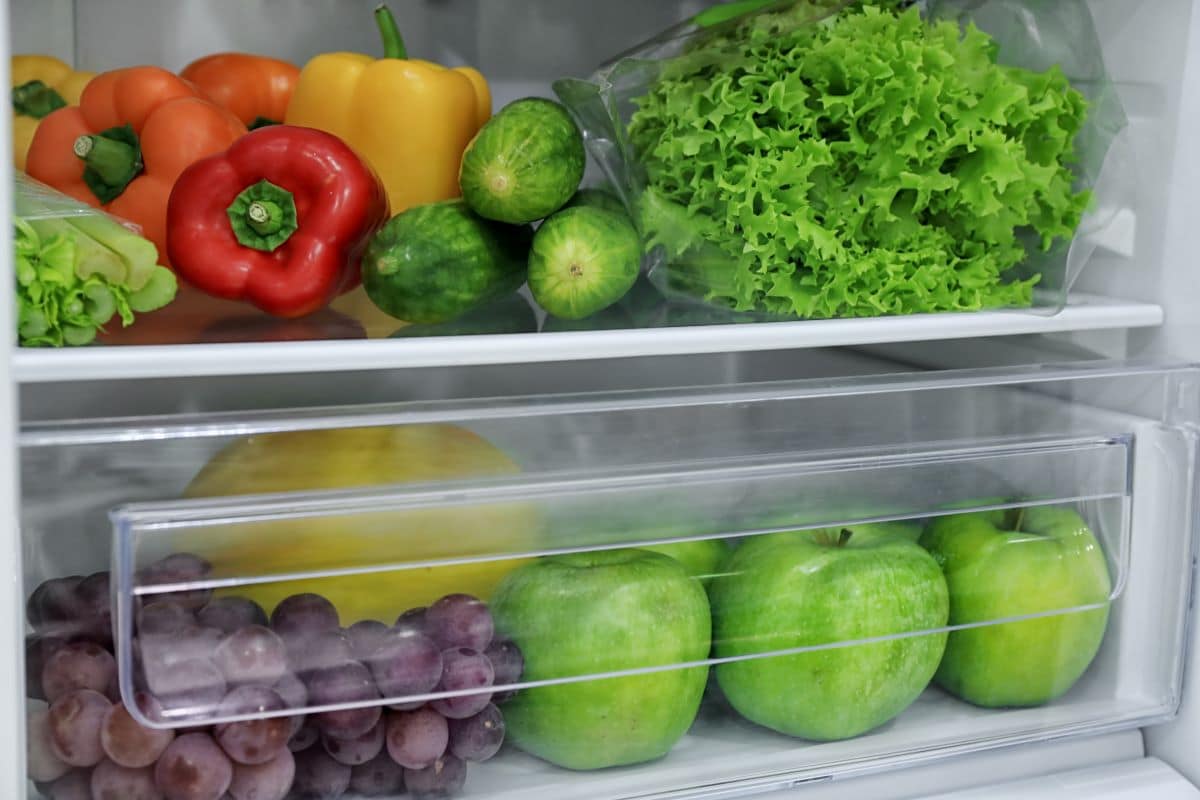
So, I’d walk out with a kilo of zucchini at a good price, thinking I was being frugal. And I was… if I managed to use it all. But unless I baked a surprise batch of zucchini bread or hid it in every dinner, we’d end up tossing half the bag.
And if I was tired, sick, or just done with the week? It ended up in the bin.
According to Sustainability Victoria, the average Victorian household throws out over $2,100 a year in food, and almost two-thirds of that waste could have been eaten. That’s a lot of money going straight to the bin.
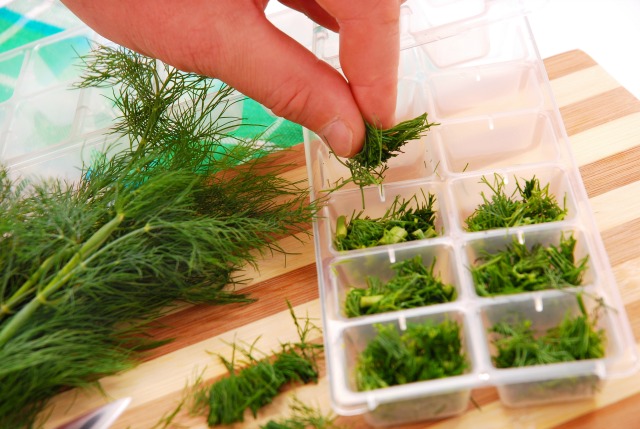
Taking steps to reduce food waste can really add up.
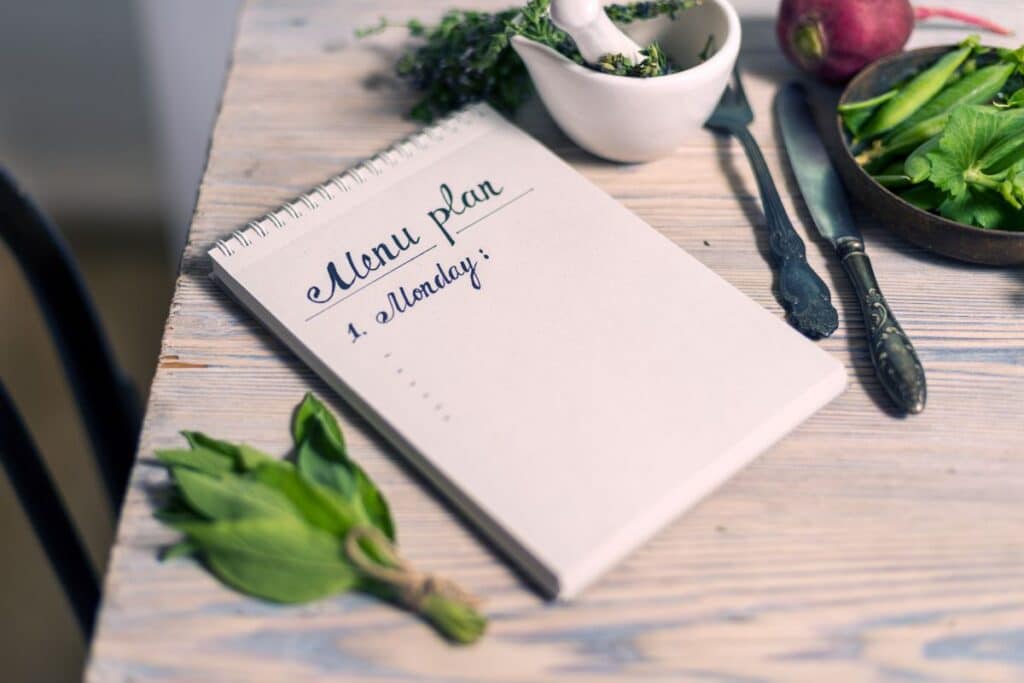
I now only buy the exact number of zucchinis I need, and I know what I need because I’ve created a meal plan.
On this blog, I share a whole heap of ways I try to reduce food waste as much as possible. Check out the links below for more information.







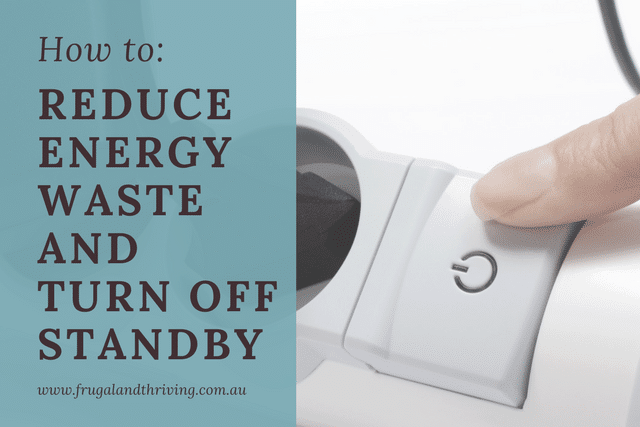
2. Silent Power Suckers
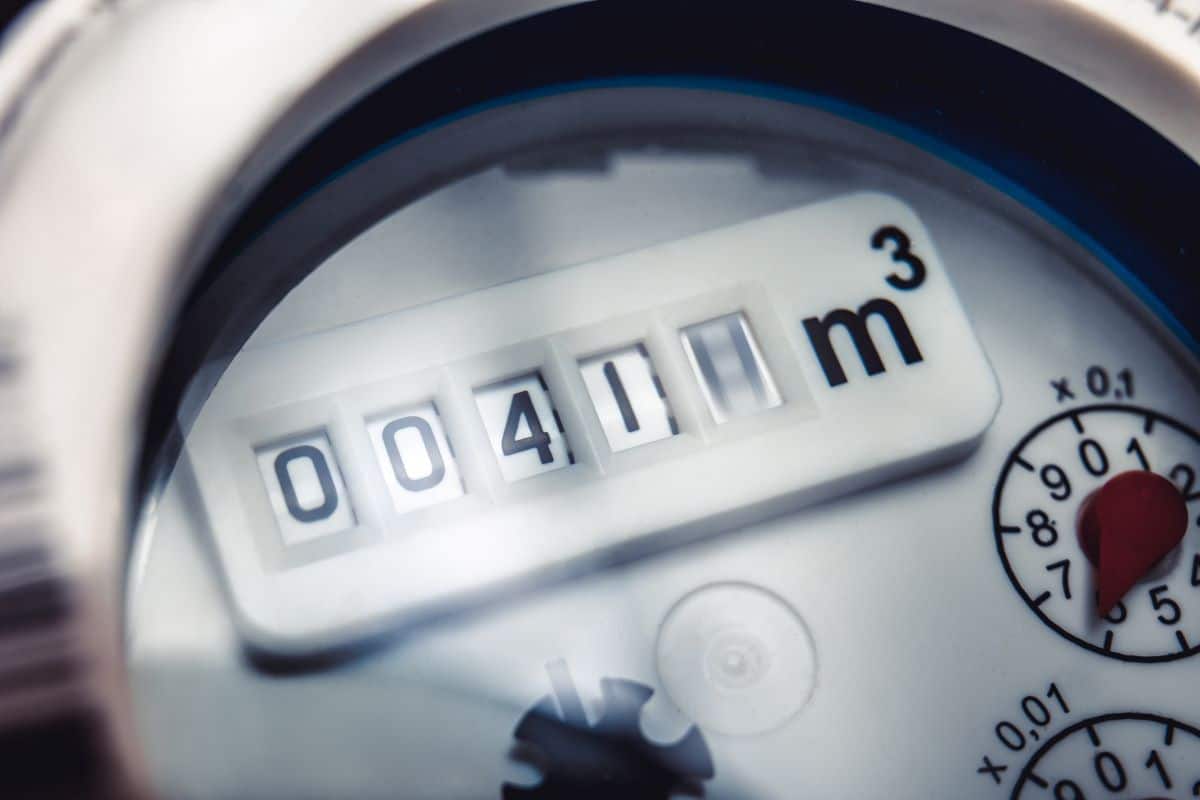
You don’t actually see wasted energy. It’s just there in dollars when the bill arrives. But wasted power is still wasted money.
When our solar hot water system died, we couldn’t afford to replace it, so we had to switch back to electric. I knew the bills would go up, but I wasn’t prepared for how much.
Add a couple of teenagers into the mix (with their long showers), and suddenly our electricity bill was climbing faster than we could keep up.
According to this ABC News article (April 2025), the average household spends around $300 a quarter on electricity, or $1,200 a year. TBH, this sounded cheap, probably because energy costs are the third-highest here in QLD.
Of that, up to 10% is from standby power alone, things like TVs, toasters, and chargers silently sipping power 24/7. On average, then, $120 a year.
While turning off the TV at the wall isn’t going to save you a bazillion dollars – and it doesn’t solve our hot water usage issue! – it’s an easy way to reduce waste that equates to wasted money.
So the simple solution is to turn off as much as possible at the wall when you’re not using an appliance to reduce energy ‘Vampires’.
You might also like:

3. Flushing Money Down the Drain
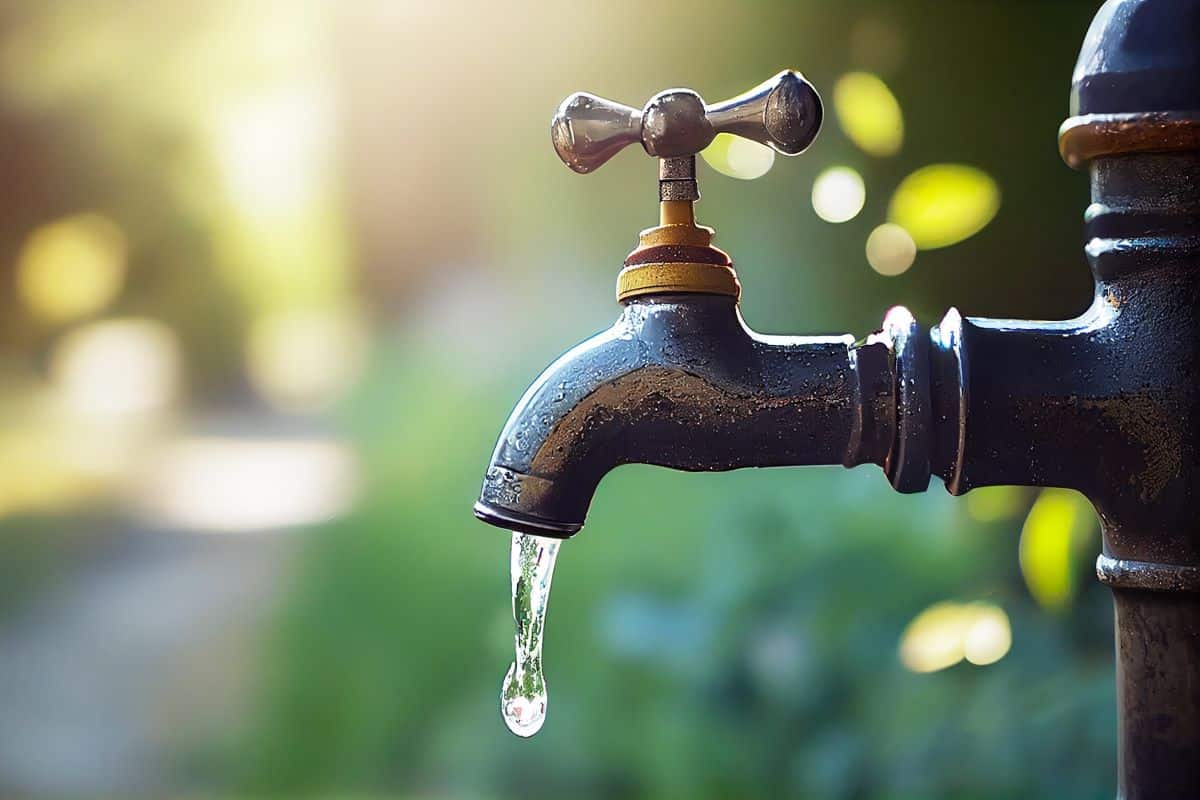
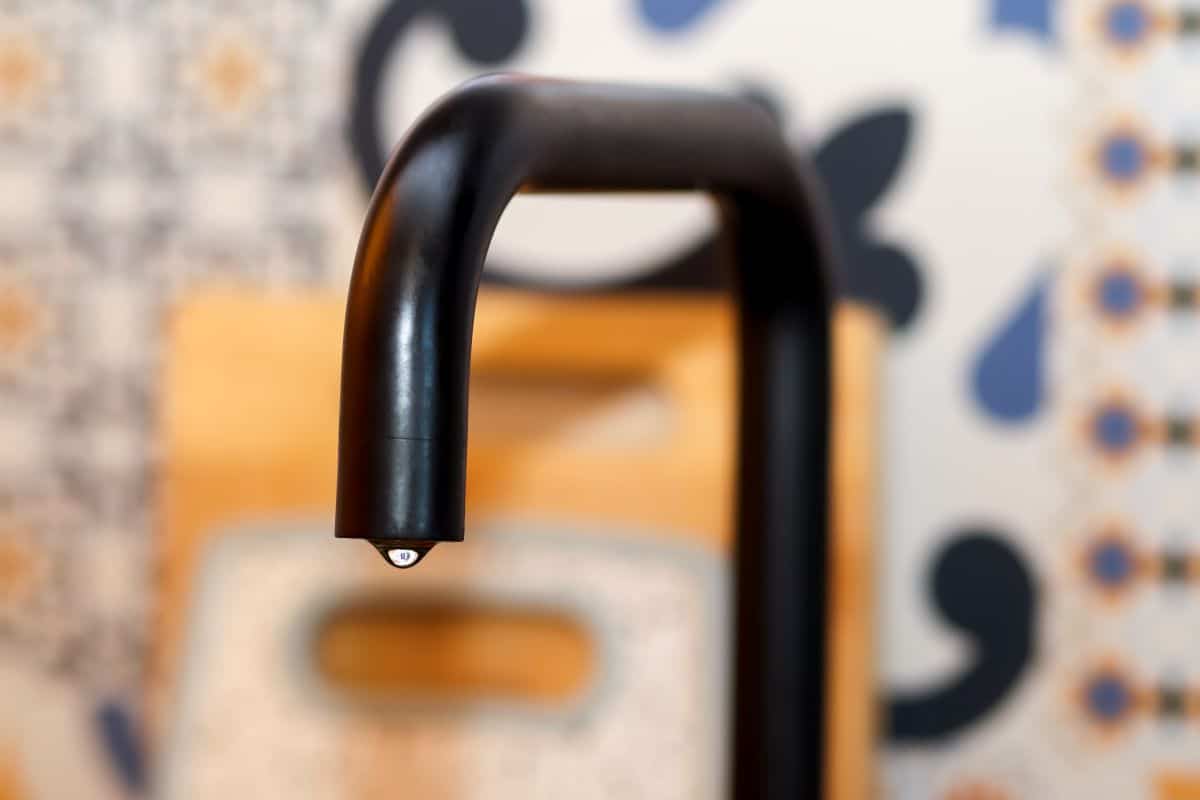
When our laundry tap started dripping, I stuck a 9-litre bucket under it to catch the drips while we waited for the plumber.
I was shocked at how fast that bucket filled up!
It made me think of how rivers carve out canyons and how tiny drips form vast cave systems. Slow but steady really does make a difference, in this case, a difference to the cost of our water bill.
And while technically this water wasn’t wasted (we used it on the garden), not fixing dripping taps or slow leaks is another sneaky way to waste money.
As of 2024, the average Aussie household spends about $840 a year on water, according to Canstar.
A good chunk of that can be water waste – half-loads of washing, dripping taps, leaving the tap running when brushing your teeth, the water that runs down the drain while waiting for it to get hot.
Taking steps to reduce that water waste helps reduce the bill.
TBH, we have a shared water metre with 13 other townhouses, which can suck when we take steps to reduce our waste without seeing any real change on the bill. However, we have plenty of neighbours who are also conscious of their water usage, so collectively it can help.

4. Convenience that Costs More than We Think
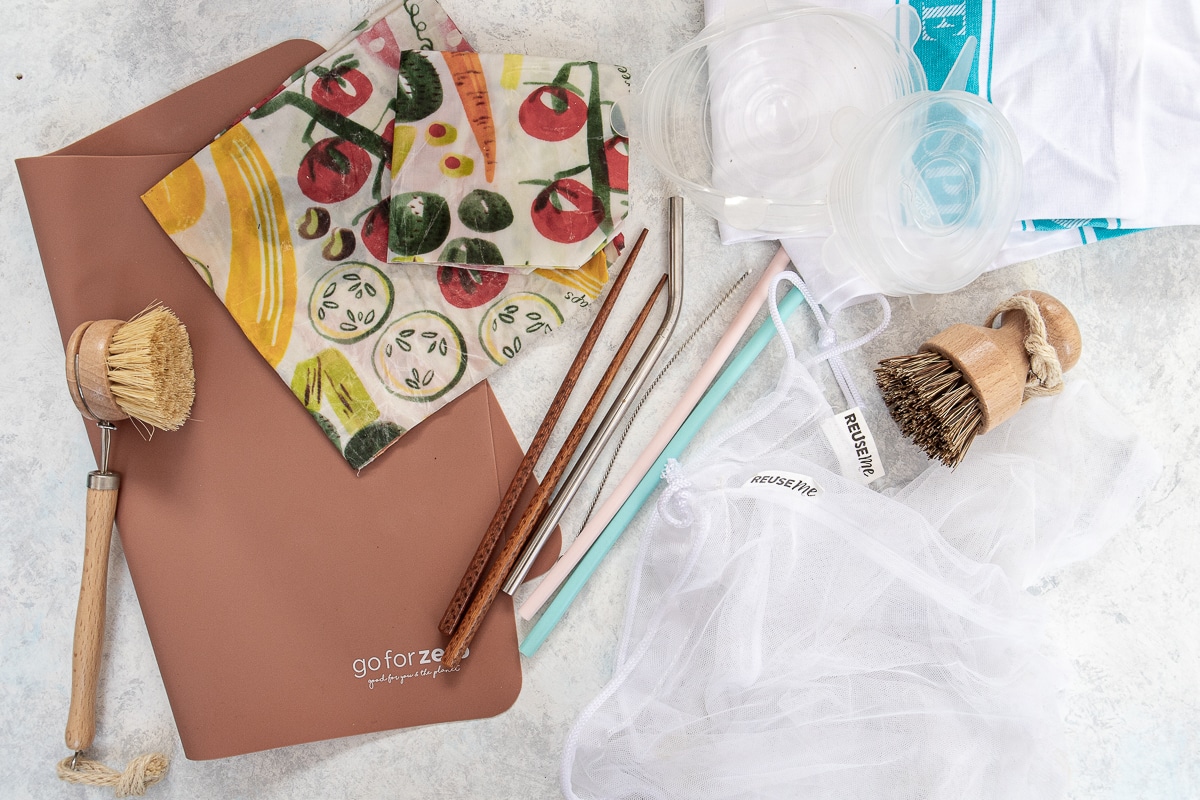
I’m not saying we never use tissues, paper towel, or plastic because we do use all of those things. And we definitely don’t eschew toilet paper.
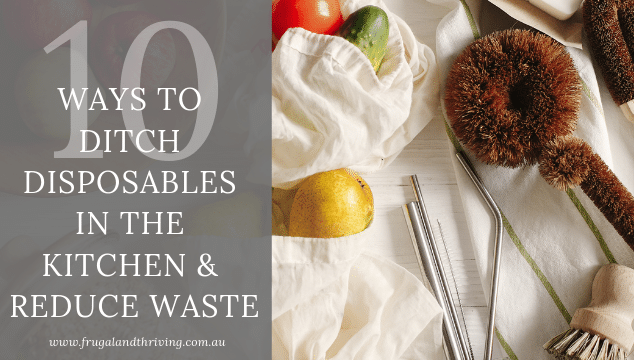
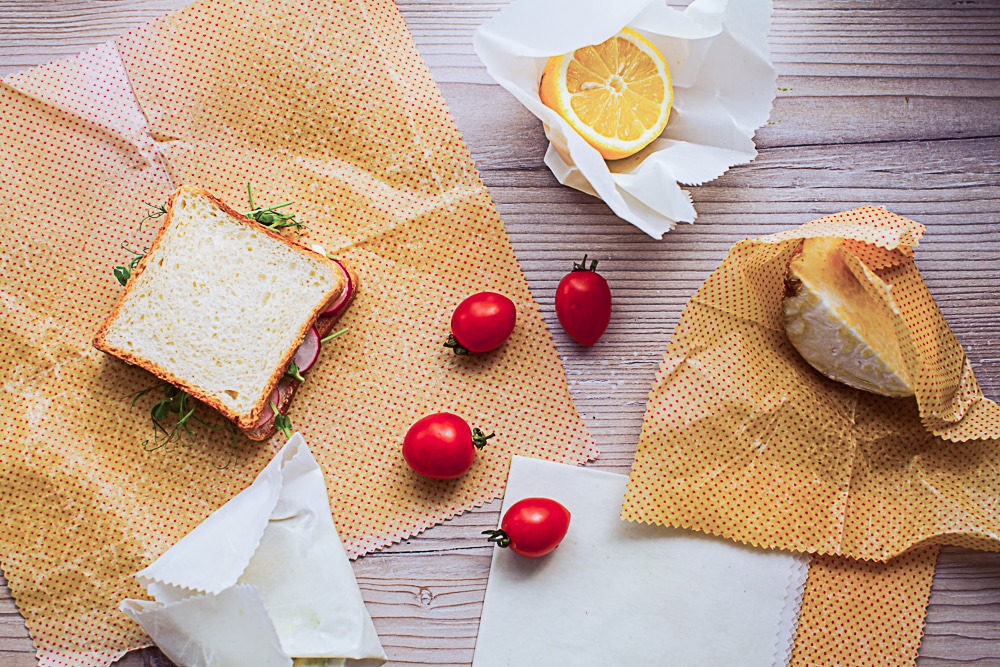
But reducing disposables for reusable alternatives isn’t just better for the environment (generally speaking), but it also saves money.
From reusable nappies to plastic wrap alternatives, we’ve saved a ton by reducing disposables.
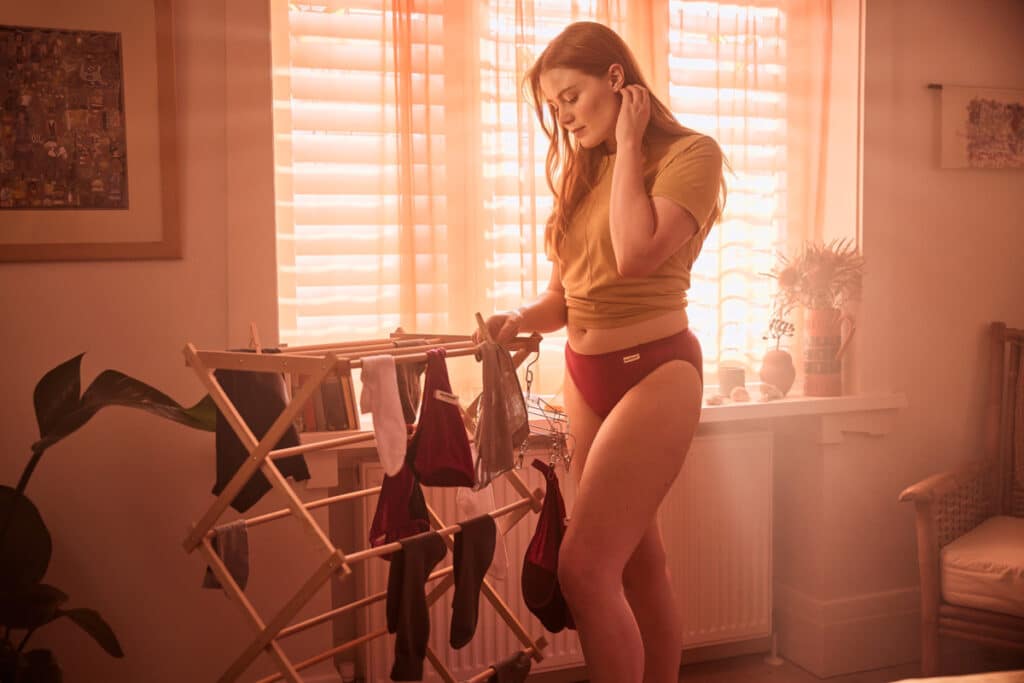
One of the biggest money savers for me was switching to a menstrual cup and period undies. I know this isn’t for everyone, and it’s not always as convenient, but for me, it’s not only saved me money over a decade of use, but I’ve found it more comfortable, and it’s been a lifesaver on heavy days.
Disposables can be easier, definitely. And there’s a place for them. But they’re also a quiet subscription to your bin. Reusables require a bit of effort, but the payoff is big.

5. The Sneaky Cost of Not Maintaining Stuff

“It is the neglect of timely repair that makes rebuilding necessary.” – Richard Whately
When we don’t maintain the things we own, they don’t last as long as they could, which means more frequent replacement costs.
I’m thinking oil-stained clothes because I didn’t wear an apron when cooking (although that’s probably less of a ‘thing’ in a fast fashion culture). Or outdoor furniture that dries and cracks because it’s not being oiled enough!
Years ago, our mechanic told us a hose in the car needed replacing. Not urgently, just ‘soon.’ But we’d just had a baby and money was tight, so we held off.
Then my dad passed away, and we had to drive 1,600km home with a newborn. The car broke down on the first day.
We paid nearly $1,000 for towing and repairs, plus accommodation and two extra days on the road. All because of a job we thought could wait.
Maintenance doesn’t feel frugal in the moment, but not doing it can cost far more.
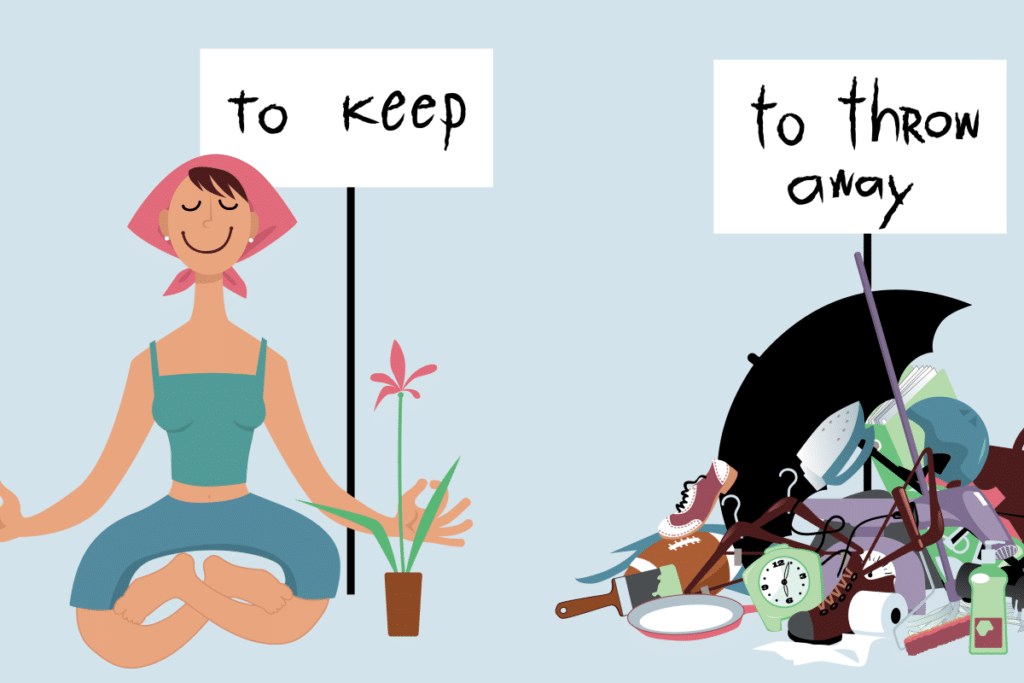
6. The Clutter We Trip Over (and Pay for)
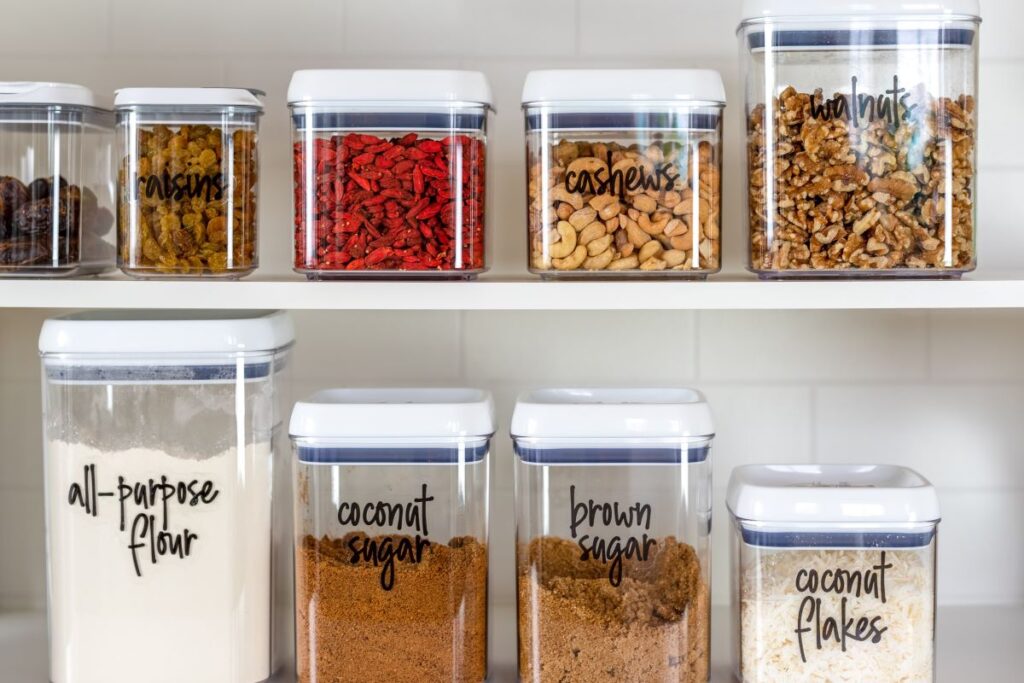
Last time I cleaned out the pantry, I found four bottles of golden syrup (most half-empty).
I’d clearly kept buying more because I couldn’t find the ones already in there – buried behind tinned tomatoes and hoisin sauce in our difficult-to-navigate corner pantry.
(Throw in teenagers who put things back wherever, and it’s not surprising we have multiples. When I was growing up, everything had a place. EVERYTHING. Woe betide the person who didn’t put the butter back in the fridge on the second shelf down, left-hand side, at the front. I’m not that strict, and sometimes it costs us.)
It’s not just the pantry. We live in an 83m2 townhouse with two teenage kids and a dog. I work from home, DH is hybrid, and we all have hobbies. Lots of hobbies. Also, we’re not good at throwing stuff away.
Which means our house sometimes looks like we’re hoarders. Ok, it’s not quite that bad, but we do have a lot of stuff jammed into a small space.
We’re not shopaholics, but sometimes, yeah, it’s easier to rebuy something urgent than try to find it, and that’s a big problem.
Clutter and chaos can definitely lead to waste – keeping it to a minimum and having a place for everything and everything in its place definitely saves money, not to mention overwhelm.
Not that I’ll openly admit my parents were right.

7. The High Cost of Interest

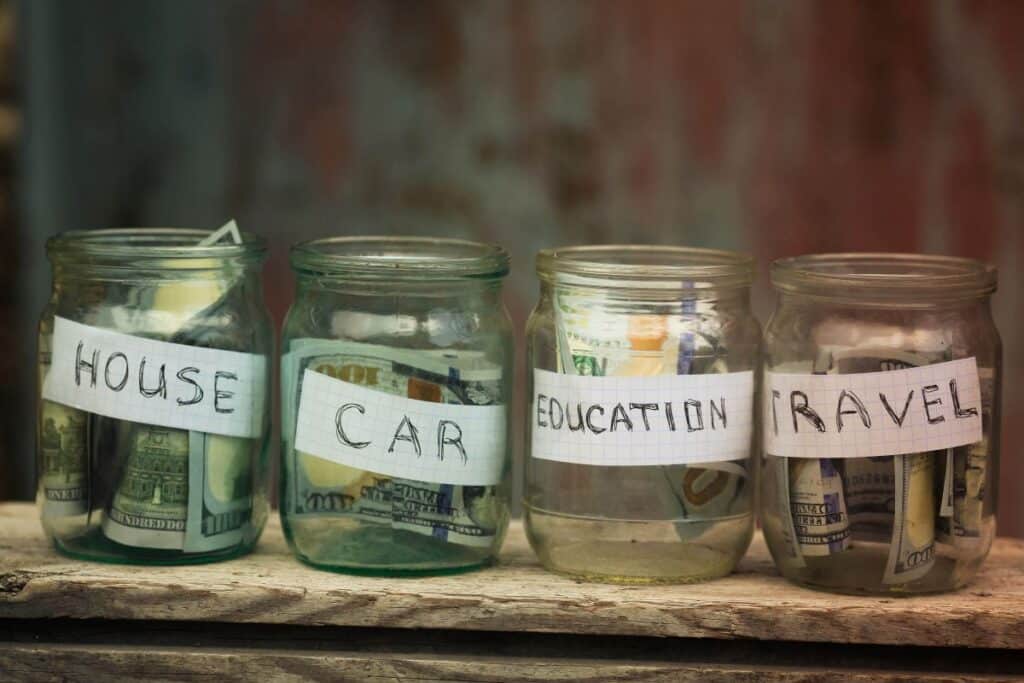
When the kids were little, we had a very small emergency fund and a tight budget. But life had other ideas.
An unexpected expense would show up – or two, or three – and the emergency fund wouldn’t cover it. We’d have to rely on credit. It felt like two steps forward, one step back. Constantly paying off last month’s problems instead of getting ahead of the curve.
As of September 2025, the total credit card debt accruing interest in Australia sits at around $19.7 billion. With an average interest rate of 18–20%, that’s roughly $3.7 billion a year in interest paid alone (Finder).
That’s a lot. It’s not always possible to avoid credit when you have expenses you have to pay. If you need to register the car, you need to register the car.
I met a guy once who managed to find a home after being homeless. He took out an interest-free government loan to buy a fridge because eating at home is cheaper (and healthier) than takeaway. A week later – I kid you not – lightning struck his house and blew up the fridge.
Moral of the story: it can be damn hard to get out of the debt cycle. Sometimes you have to rely on credit.
But for most of us, there’s a lotta shite on the credit card we didn’t really need. That’s when the interest is just wasted money.


8. Subscription Bleed

When I first wrote this article in 2015, endless subscriptions weren’t a thing. Fast forward a decade, and many of us have dozens of subscriptions.
Online streaming services, music subs, software subscriptions, delivery subs, service subscriptions, apps, news and media, cloud storage, subscription boxes, gaming subs. That’s just to name a few.
It’s so easy to join something for the ‘7-day free trial’ and then either forget to cancel or get sucked into ‘I’ll cancel once I’ve finished this series’. FOMO is real.
So, we do a regular – at least once a year – subscription audit to see where we’re wasting money on subscriptions. It can be quite shocking how quickly subs stack up. Because if you want to watch something, it’s always on the streaming service we don’t have, am I right?

Quick Takeaways
- Subs stack up. Audit yearly, cancel often.
- Food waste = money waste. Meal plan, buy less.
- Standby power sucks (literally). Turn things off.
- Leaks drip dollars. Fix them fast.
- Disposables cost more. Reusables win long-term.
- Skip maintenance? Pay double later.
- Clutter costs. Stop re-buying what you already own.
- Interest is expensive. Cut debt, if you can.
Frugal living doesn’t always have to mean extreme budgets or cutting every joy out of life.
Often, it can mean not wasting what we already have.
Cutting waste creates breathing room. Noticing what’s leaking… and gently plugging the holes.
What’s something you used to waste money on and don’t anymore? Got a no-waste tip that’s worked for you? I’d love to hear about it in the comments below.



I laughed when you said you found it hard to comeup with the #1 frugal tip.
Then I thought about it. I still comeup with “sweating the small stuff” even though it goes against conventional beliefs from “professionals”. My tip has lot of similarities with yours. Like selling or trading unwanted/unused items as well as composting food waste for the garden and saving seed from plants that I have grown. Of course I also do not beleive in debt carrying any consumer dept at all.
Great read thanks
SMSTS
Hi, Small stuff is important because it all adds up to big stuff! Great tip. Thanks.
A great read, and very similar to what I have been noticing/thinking lately as we declutter our home to try and simplify things and create more time (and energy) to do fun things as a family… as I put various items in the boxes to go to charity, or list some things on Gumtree etc, I am horrified at how much money has been spent on things that felt ‘essential’ at the time, but were rarely used! We have now implemented a ‘give it a week’ policy whenever we think we ‘need’ something – 98% of the time, we have either forgotten about the item, or found a way to manage with what we already have by the time a week rolls around.
Love your website…
Hi Beth, thanks for the comment. That’s a great idea! Its amazing how many impulse buys seem essential at the time. I too am constantly horrified at the ‘stuff’ that we end up with.
Since I’ve read the Bea’s book about zero waste lifestyle, I’m in constant search of how I can reduce my household waste. It’s worth reading because I’ve found some really interesting tips here! The best one is about being disorganised – I’ve found out that having a proper preparation helps you reduce your waste and save more money as well!
Hi Holly,
Thanks for sharing that book recommendation. I’ve read it too, and it’s a fantastic book!
Hope you have a great day.