9 Times Shopping the Cheapest Grocery Unit Price Does Not Save You Money
This website may earn commissions from purchases made through links in this post. As an Amazon Associate, I earn from qualifying purchases.
Comparing unit prices on groceries isn’t always the best way to save money. Here are nine instances when it pays to ignore the unit price.
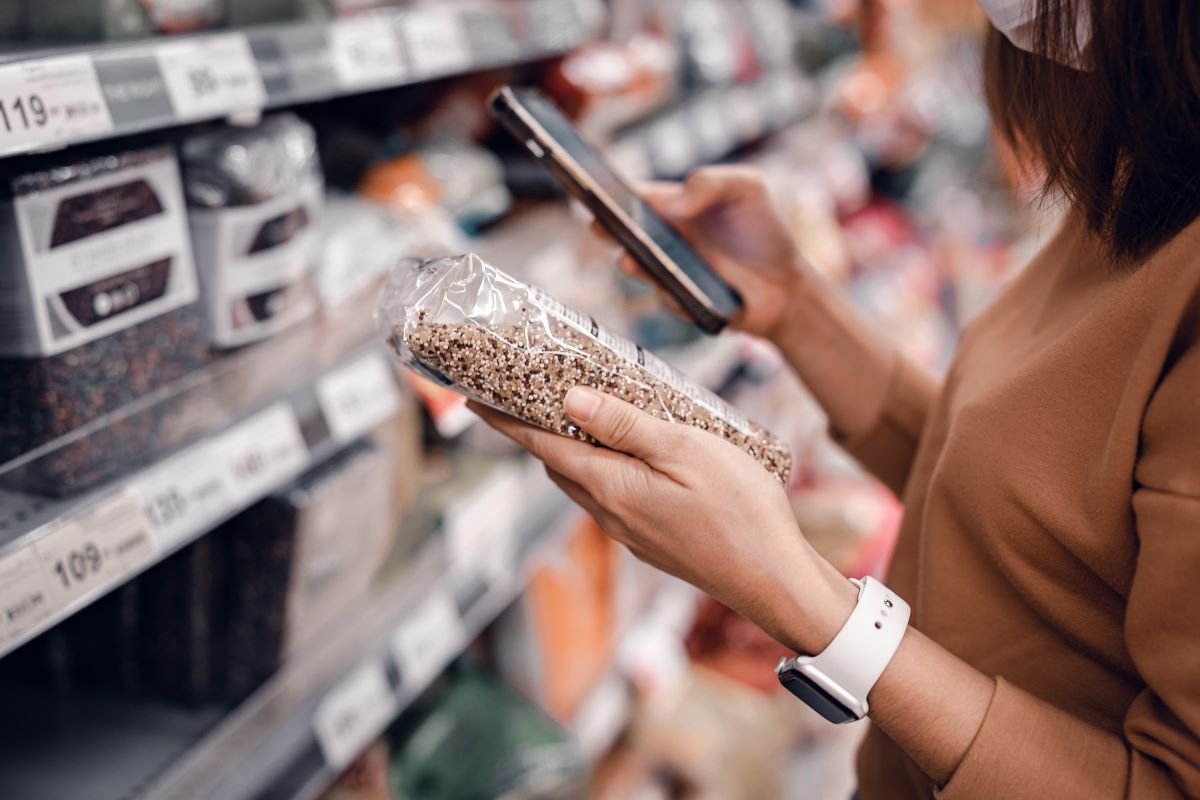
One standard piece of advice for saving money on groceries is to compare the cost per unit price to get the best deal.
And for the most part, that’s great advice. Comparing unit prices, especially between different brands, can lead to long-term savings and ensure you get the most value for your money. I’ve written a blog post on comparison shopping if you want to go deeper.
But there are times when buying groceries based on unit price is not the best option and may just cost more, especially if the cheaper option is also a bulk buy.
In this article, I share nine times it’s a good idea to ignore the unit cost.
1. Cash Flow
Investing in lower-cost bulk buys isn’t always an option when the grocery budget is extremely tight.
Sure, the $15 bag of rice might be on sale, and the unit cost is super cheap, but you might only have cash for the 90c instant rice.
While the large bag might save money over the long term, if you don’t have the funds to make the upfront investment, the point is moot.
I’ve been there: scraping by paycheque to paycheque. Planning long-term isn’t always possible.
But if you do have a dollar left over here and there, it can help to ferret it away just to build up those cheaper pantry staples. Maybe not today or next week, but eventually, transition away from the cheaper-at-the-time but more expensive-in-the-long run items.
2. Bulk Food Waste
More often than not, the lower unit price items are bulk buys.
(It’s not the only way to use unit price – you can compare different brands rather than sizes, but here I’m focusing on when bulk buys are cheaper.)
While there are many benefits to buying in bulk, if you don’t eat the food before its due date and it gets wasted, all those savings go into the bin.
In fact, a study has shown that bulk-buying shoppers can end up throwing out more food than those who buy smaller quantities more frequently.
Buying in bulk based on unit price can be false economy if it is wasted, so in this case, the size (and quantity) matters and should take precedence over unit price.
3. Limited Space and Portability
Related again to buying in bulk is storage space.
While we certainly don’t have the tiniest kitchen, our space is limited.
That 5-kilo bag of rice?
Nowhere to put it.
When living in a small space, it’s more practical to buy smaller quantities, even if the unit price is higher.
Related to limited space is portability. I walk pretty much everywhere, so if I’m grocery shopping, I need to be able to carry what I buy home.
These considerations come into play when comparing prices and deciding what to buy.
4. Storage Conditions
Even if you’re not buying in bulk but just buying larger packets at cheaper, long-term prices, the food needs to be stored in optimal conditions to last.
If you’re like me, you’ve probably watched all the Instagram reels where people decant their food into pretty storage containers. While that’s not really my jam, airtight storage containers are definitely a must.
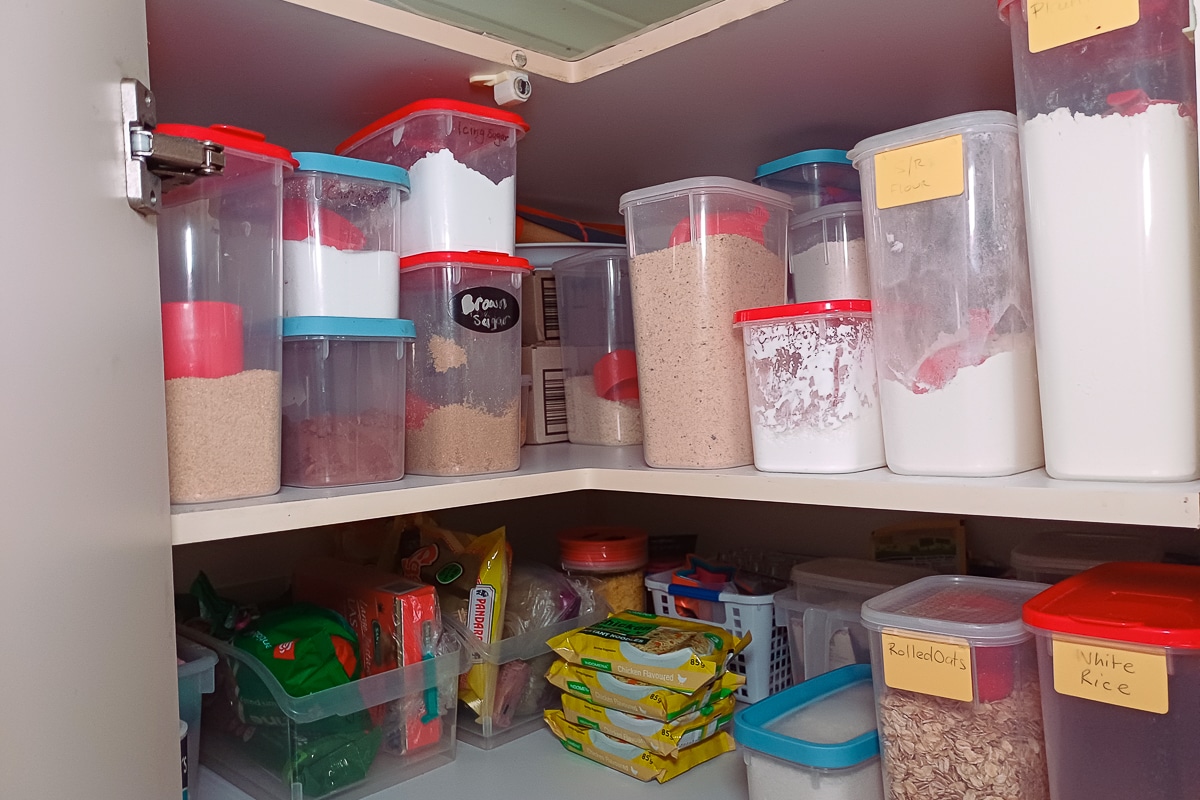
Every few years, we get a pantry moth infestation or ants. It’s the rain that brings them i. Airtight storage can help keep the ants out or contain the moths in a single container. (Don’t even get me started on mouse plagues!)
The point is, if you’re going to invest in a well-stocked pantry, it pays to also invest in good storage containers. Not the pretty ones on Instagram, but containers that seal well, and you don’t mind scrawling the best-before date on it in Sharpie.
But that investment takes time and money. (I built up my pantry storage over months and years when containers went half-price.)
In the meantime, it can pay to buy the smaller portions of food.
5. Dried Herbs and Spices
Spices and many condiments taste better when they are at their freshest. So, when it comes to herbs and spices, it is best to buy smaller quantities.
I made the mistake of buying a giant bag of paprika from the farmer’s market once. It was a lot, I mean, a lot cheaper than those little jars in the supermarket.
And the taste was very good to start with. I love paprika, but we don’t use that much of it. We could taste the decline in quality as the months… and years wore on.
(It really was a giant bag.)
Needless to say, I buy smaller quantities now, even if it costs a bit more.
Save Money on the Groceries eBook
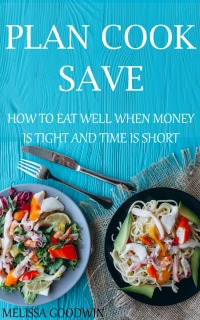
For more ways to meal plan and save money on groceries, check out the eBook Plan Cook Save: How to Eat Well When Money is Tight and Time is Short.
*Learn how to set the right grocery budget for your circumstances.
*Find out the easiest and quickest way to reduce the grocery bill.
*Discover a meal planning strategy that will only take you a couple of minutes a week but will save you hours.
6. Favourite Brands – Quality v Cost
Often, price isn’t the only variable we compare when we shop.
We’re also comparing nutritional differences between brands. Allergens. Quality. Ethics. Taste.
I’ve mentioned in the past that I don’t like home-brand mustard.
I know. It’s a bit of a niche item.
While home-brand flour and pasta are pretty much the same as their more expensive branded counterparts, some condiments and other items are not.
Comparing the unit price between different brands is a great way to save money. Unless you have a favourite brand or specific needs, then brand trumps price, regardless of the unit cost.
7. Enjoying Treats
Here’s the thing: A 4-litre tub of ice cream can be cheaper than those little, fancy 1-litre tubs, even when they are on sale.
But…if it’s in the freezer, I’m going to eat it. And I want to keep my treats to one night a week.
I have no willpower – this is about engineering my environment for success. It’s less about saving money and more about saving calories.
When it comes to treats and portion control, it can be worth paying a little bit extra for smaller portions, savouring the treat (especially if it’s a better-quality version), and then not worrying about sneaking an extra serving during the week.
8. Gourmet Additions
Adding a small amount of a ‘special’ ingredient or two, you can transform an everyday meal into a gourmet culinary experience.
A scattering of fresh herbs or pine nuts.
Shavings of Parmigiano Reggiano.
A drizzle of hollandaise.
These ingredients can be expensive. However, if you can buy a small amount—pine nuts from the bulk bin or cheese from the deli—you can elevate a dish on special occasions with only a small outlay of money.
9. Desire for Variety
I’ve mentioned in a previous article about the benefits of a simplified pantry.
For example, it’s much cheaper, and there is less waste when you only stock and eat one or two rice varieties.
But that can get pretty boring.
Smaller quantities of a more diverse range of ingredients can make meals more balanced and nutritionally balanced.
So, how do you balance a need for variety with avoiding the half-used jar of tamarind paste or half-used bag of wild rice from languishing forgotten in the back of the pantry?
Infrequently used ingredients can also be better purchased in the required quantity for a dish where possible.
Buying a small quantity of wild rice from the health food store, for example, might be more expensive up front, but you can enjoy a wide variety without the waste.
On the other hand, when it comes to things like tamarind paste, it might just be better to buy a Pad Thai sauce base.
The takeaway is not to completely ignore unit price – comparing the unit price between brands and sizes is a great way to save money.
But sometimes it pays to buy the more expensive (by unit price) item.
There are other constraints on unit-cost shopping that I haven’t discussed in this article, like living in temporary accommodation or dealing with a change in diet (for food allergies, for example).
What other times have you found it pays to ignore the unit cost?