How to Bulk Buy Food And Save Money on the Groceries
This website may earn commissions from purchases made through links in this post. As an Amazon Associate, I earn from qualifying purchases.
Save money on feeding the family with these tips on how to bulk buy food. Find out what to buy, when and where to buy it as well as money-saving tips.

Buying grocery items (both food and non-food items) in bulk is a great way to save time and money.
We’ve not only saved a packet but also eliminated a lot of hassle by bulk buying toilet paper, dog food, and flee treatments, just to name a few things.
But bulk buying is a big investment of the grocery budget, so it pays to get the best deals and ensure that what you buy doesn’t go to waste.
Here are some tips on bulk buying that we’ve found useful.
Why Buy Bulk Groceries?
There are several benefits to buying groceries in bulk. It can:
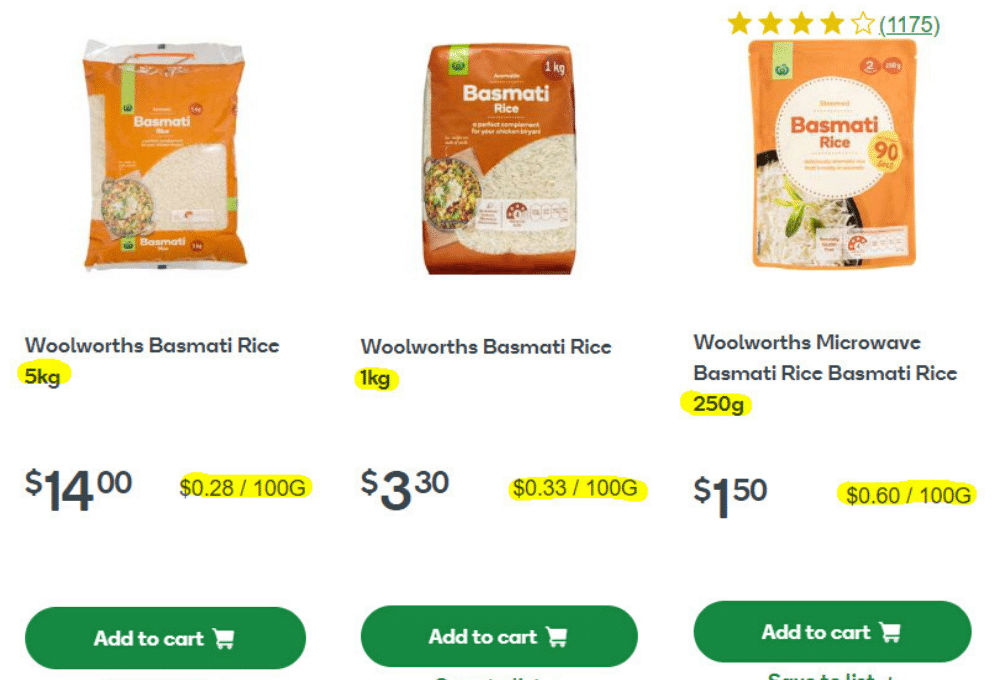
Save You Money – The cost per unit of an item is usually cheaper when buying in bulk. So, a five-kilo bag of rice is usually going to have a smaller unit price than a 1kg bag or a sachet of rice.
Here’s an example. I’ve compared across the same brand (home brand) to show the difference bulk buying can make on unit price (although with the microwave rice, you’re also paying for convenience).
Less Packaging – Another benefit of bulk buying is less packaging and therefore less plastic waste.
If you buy from a bulk food bin and use a paper bag or container from home, you will have no plastic waste.
But even if you buy plastic-wrapped food from the supermarket, bulk buying can reduce the amount of plastic.
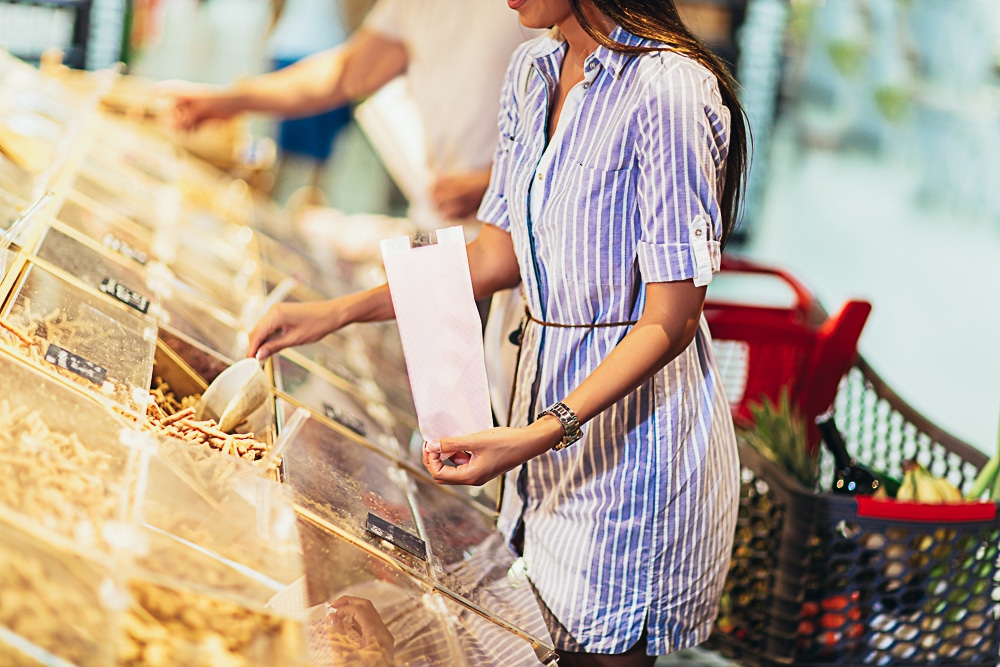
Saves Time and Petrol – Shopping less saves time, and doing one shop a week instead of several shops will save hours a year.
Fewer trips to the shops will also save petrol as well as reduce the temptation to impulse buy, saving you money.
And having a well-stocked pantry means you can shop from your pantry and always have a meal even if you can’t make it to the shops.
What Foods to Buy in Bulk?
Bulk buying refers to anything that can be bought in large quantities.
While that might mean going to a bulk food store and scooping foods from large bins, it can also just mean buying larger quantities at the supermarket as well.
What you buy will depend on your cooking and eating preferences. Here are some suggestions.
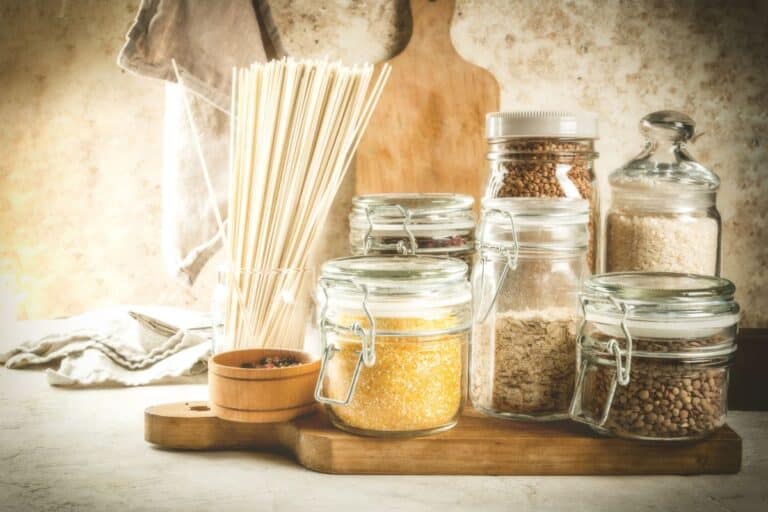
Non-perishable dry foods are some of the cheapest bulk foods to buy:
- flour
- grains
- rice
- pasta
- dried beans and lentils
- nuts and seeds
- nut butter
- dried fruit
- sweeteners
Other cheap bulk foods – especially when on sale – include:
- tinned beans and lentils
- canned tomatoes
- tinned fish
Frozen foods:
- frozen vegetables and fruit
Non-food grocery items:
- baking paper
- toilet paper
- toothpaste
- soap
- shampoo
- laundry detergent
- dishwashing detergent
You might also like to read 14 Frugal Pantry Staples that Save You Money.
Where to Buy Food in Bulk
You’re not limited to the bulk food store for buying bulk groceries. There are lots of places to buy big and save.
Here are a few options:
- the grocery store
- bulk food store
- health food store
- farmer’s markets
- food cooperatives
- wholesale grocers
- ethnic food stores
- wholesale butchers
- wholesale frozen goods retailers/party suppliers
- factory outlets
- Cosco
- online bulk food retailers
Remember that you can buy in bulk more than just food. If you’re buying in bulk to reduce waste, check out bulk food stores and health food stores to refill containers for things like dishwashing detergent.
For other household items, keep an eye on bulk specials at discount stores like Big W, Kmart and the Reject Shop. You can also buy in bulk online. We buy our toilet paper in bulk from Who Gives a Crap and our dog stuff from Vet Supplies with their lower prices and further discounts; it’s a lot cheaper than the pet store.
What to Consider Before Buying Bulk Food
Before bulk buying food, there are a few things to take into consideration to ensure you’re not wasting your money.
Because food is perishable, it’s important to store it correctly to ensure it lasts.
Considerations include:
- What containers will you need to store your bulk purchases in?
- How big are these containers? Are they big enough for the purchases you’re planning?
- Where will you store it?
- Do you have enough storage space?
- Is your storage pest-proof?
- Can you eat it before it goes out of date?
- If you’re bulk buying frozen goods, do you have the freezer room?
You might also like: An Organised Pantry Will Save You Money.
Buying Food in Bulk To Save Money
Saving money isn’t the only motivation for buying groceries in bulk. If you’re going zero-waste and buying organic, locally grown food from a specialty store, then it’s usually going to be more expensive than buying from the supermarket. So, you have to balance your motivations and priorities.
If saving money is your priority, here are some tips to get the most savings.
Start a Bulk Buying Fund
Buying saves money in the long run. But in the short term, if your grocery budget is tight, it can be hard to find extra money to start bulk buying.
One option is to start a bulk buying fund. This involves putting a few dollars aside each week to save up for bulk purchases. It might mean eating cheaply for a week or two. Then, if you see a great special, you will have money to buy it, and over time, your groceries will be reduced every week.
Spread the task and the cost of buying in bulk over several weeks or months by bulk-buying just one or two items during your regular shop.
For example, if you normally buy one bag of rolled oats, and you see it’s on sale, it might pay to get two, as long as you can store it and use it before its best-before date.
Keep Waste Low
Stocking up on something that you don’t normally use or eat can lead to wasted food and wasted money.
If you’re trying different food (hello, weird ancient grain) or a different brand to what you normally buy, it pays to buy just a little or just one and try it first to make sure you like it before stocking up.
Compare Unit Price
Usually, but not always, the bulk price is cheaper. But I’ve seen instances when the bulk price was actually more expensive. This is especially true when smaller items go on sale, but the bulk items don’t. So, it pays to do a quick calculation to see if you really are getting a good deal.
Multi-buy sales are a good example of where the smaller items can be cheaper than the bulk items.
You might also like 9 Times it Pays Not to Comparison Shop.
You Don’t Need To Build a Bunker
Buying in bulk doesn’t have to mean stocking up on huge quantities of food. It can simply mean buying a few extra tins and packets of food you normally eat when those items go on sale.
When you do buy extra, it’s always important to consider storage and whether you will use it so that food doesn’t get wasted.
Stock Up During Sales
If you’re buying food in bulk to save money, then the best tip is to stock up during the sales.
Here’s a great example. Usually, home brand products are cheapest. But when an item goes on sale, it can be significantly cheaper than home brand.
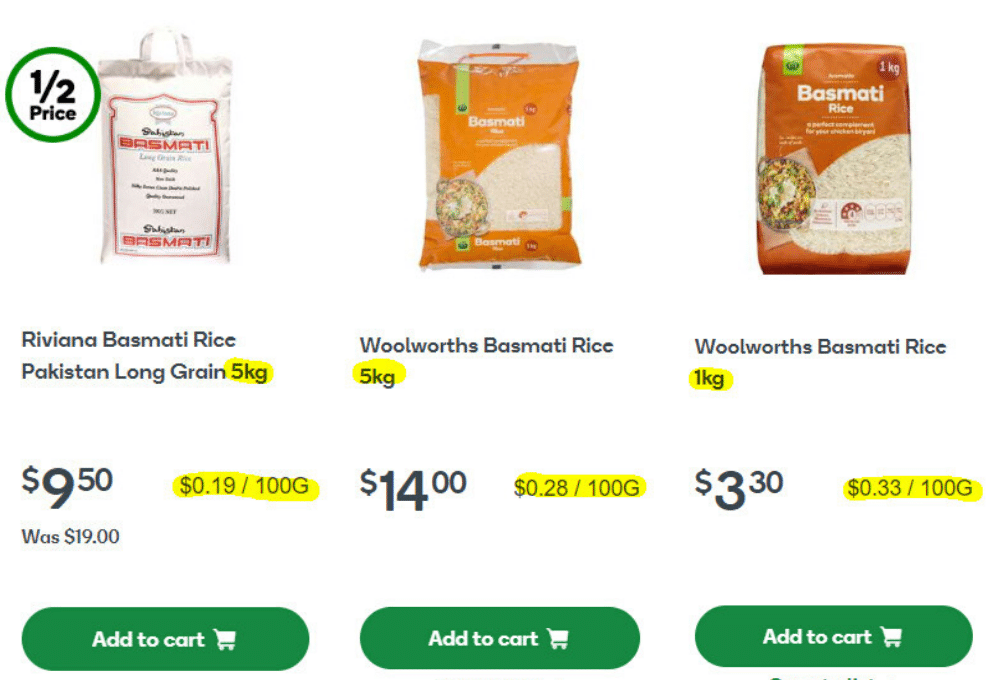
Look for supermarket fliers and other sales (or use an app), and stock up when prices are reduced.
If you see a great special on rice (and you eat rice and can store it), buy an extra bag. Keep an eye out for specials as you get close to finishing the rice – you’ll never have to pay full price again.
Make the Most of Your Freezer
Think beyond the bulk bins and into your freezer. Stocking your freezer with bulk meat at wholesale prices can mean significant savings.
If you bulk-buy meat, it’s important to divide it into meal-sized portions before freezing it so you only have to defrost enough for your meal.
Your freezer is a great place to store bread, dairy, vegetables, fruit, and other perishable items.
Meal Plan from Your Pantry
The great thing about having a well-stocked pantry is that you can menu plan from what you have on hand.
That way, when you grocery shop, the only things you need to buy are fresh produce and any items that need restocking. Even if you can’t shop for whatever reason, you will always have something on hand to eat.
Bulk buying can save you money if you do it right. The key is to set aside a few dollars each week to be able to afford to buy extra food in bulk. When getting started, spread the cost of bulk buying out by buying one item in bulk each week.
Save Money on the Groceries eBook

For more ways to meal plan and save money on groceries, check out the eBook Plan Cook Save: How to Eat Well When Money is Tight and Time is Short.
*Learn how to set the right grocery budget for your circumstances.
*Find out the easiest and quickest way to reduce the grocery bill.
*Discover a meal planning strategy that will only take you a couple of minutes a week but will save you hours.