6 Commonly Forgotten Budget Items I Try To Save For
This website may earn commissions from purchases made through links in this post. As an Amazon Associate, I earn from qualifying purchases.

Unexpected expenses can really blow the budget. Here are the budget items I’ve learned (sometimes the hard way) to plan for.

It’s easy to forget about infrequent expenses.
Especially when there are all the day-to-day expenses to deal with.
Life is rolling along and then – bam! – The dog swallows a scrunchie and a $400 vomit. Or an invitation to a wedding or birthday party (along with gift buying) lands in the inbox. Or my driver’s licence is due for renewal, and I forgot.
And those unexpected expenses? They can throw everything off when money is tight.
Some things I cover with our emergency fund. But honestly, it doesn’t always stretch to cover everything.
So, below are the 12 expenses I try to remember to budget for. Because I’ve been caught out enough times to learn it’s worth it. These stood out as the ones that pop up frequently enough, hit the wallet hard, and yet still manage to slip under the radar.
Disclaimer: This is general information only. In this blog, I share my personal savings and budget stories and what works for us. You should always consult a qualified financial expert when making money decisions (not a random stranger on the internet like me – or even your mate at the pub).
12 Forgotten Budget Items Worth Saving For
These are the ones I’ve found – both from experience and from chatting with friends – to be the most commonly forgotten.
Look, saving for these things can seem silly. Economists call it mental accounting and argue that it can lead to irrational spending. And I get what they’re saying. If you skip paying for the doctor because your savings are earmarked for “household maintenance,” that’s probably not the wisest move.
But I’ve found that planning ahead and mentally “bucketing” my money helps me build a more realistic buffer. And honestly, it stops me from dipping into savings for impulse buys. So while it might not be textbook rational, it works for me.
1. Medical and Dental Expenses
It’s always when someone gets sick or cracks a tooth or needs new glasses that I think, “I wish I’d put money away for medical bills.
Even with bulk billing, there are medications, gap fees, and unexpected things like physio or the dentist that add up. During flu season, all the Panadol and chicken soup can really add up, especially with kids. And if you’ve got a chronic illness, DS had childhood asthma, and asthma puffers can also add up. Not to mention contraceptives, iron tablets…
I try to set money aside regularly to cover unexpected medical expenses that don’t classify as an emergency.
2. Car Repairs
I’ve had more than one budget blown by car troubles. These days I try to plan for two types of costs: sudden repairs and regular maintenance.
Servicing, tyres, brake pads—they all need replacing eventually. I try to stash a little away each payday for when the car inevitably needs something. Regular car maintenance is costly but can save money in the long run (trust me, towing interstate because the motor is blown is damn expensive!!).
And if it’s a huge cost, then that’s where the emergency fund comes in.
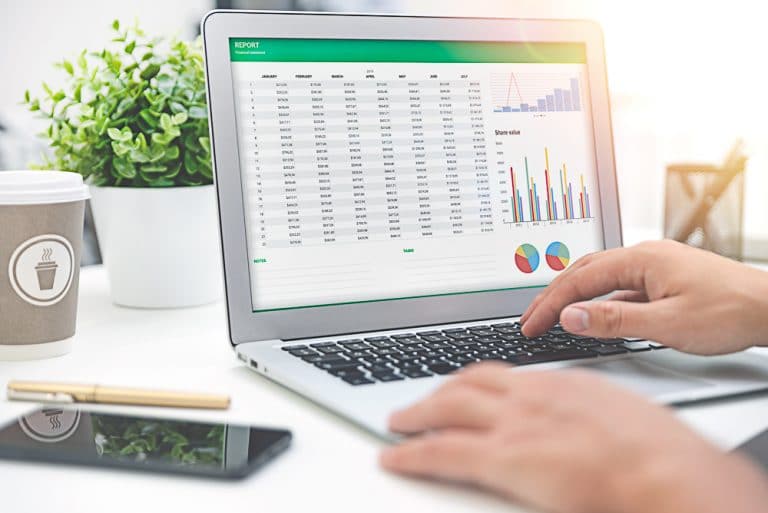
Yes, I could just throw it all into one fund (technically, it is in one account; I do my mental accounting on a spreadsheet), but bucketing the money means I know I still have funds to pay the bills after dipping in for the car repairs.
3. Household Maintenance
We learned this one the hard way. That dripping tap or cracked tile turns into something much bigger if ignored.
Now I try to put aside a bit for home maintenance. Our house is our biggest asset after all, and a little upkeep goes a long way. Stitch in time, and all.
4. Education Expenses
Even with public schooling, the costs creep in – fees, books, uniforms, technology, excursions, and so on.
Honestly, with both kids now in high school, I put money away every pay ALL YEAR to pay for their back-to-school costs. We wouldn’t find the money if I didn’t.
5. Kids’ Activities
Between sports, music, after-school care, and playdates, there’s always something.
Even when we’ve curtailed how many activities the kids do, these costs pop up more often than I expect, so having a buffer for them helps keep things on track.
I also put aside some money if I can for the school holidays. Sometimes it’s nothing, because the budget doesn’t stretch that far. But even $30 for a morning tea out can help break up the time.
6. Special Occasions
Christmas is one I always save for.
But then there are birthdays, weddings, baby showers, housewarmings – you name it. And often it’s not just gifts but outfits, travel, and food.
Being frugal helps (handmade gifts are my go-to), but I still try to keep a little fund for these occasions.
7. Guests and Entertaining
Confession: I’m not great at entertaining at home. As an introvert, this is my private space. Also, the carpet is duct taped, and it’s kinda embarrassing.
However, having people over is way cheaper than going out. But it’s still not free. Having an entertaining budget, whether it’s for at home or going out, helps keep you from overspending.
8. Annual Fees
I can’t tell you how many times I’ve forgotten about our driver’s licence renewal until the bill arrives.
Same goes for things like roadside assist, antivirus subscriptions, tax return fees, Scouts insurance, and more.
Now I keep a running list of annual expenses and try to save a small amount for each one.
And every year, I try to review them—if we’re not using it, it gets the chop.
9. Pet Expenses
Food isn’t the only cost. There are vet visits, vaccinations, grooming, registration—it adds up fast.
I’ve started putting a little aside each week for the fur baby, too, especially for insurance. We try to save money where we can as well.

10. Personal Care and Grooming
Haircuts, toiletries, makeup (not so much actually, I don’t wear it a lot). But these expenses are easy to forget, but always pop up when least expected. Also, with a teen daughter now, she wants to get her hair cut way more than when she was a kid.
I don’t spend a lot here, but it helps to have something tucked away for it.
11. Replacement and Upgrade Costs
Phones, laptops, appliances – they don’t last forever. I try to make things last and repair them when I can, but eventually, replacements are needed.
I’ve found it useful to keep a rough timeline for bigger items and save a small amount regularly, so it’s not such a hit when the time comes.
12. Prepping Costs
Living in Australia, extreme weather is something we have to think about.
Prepping for floods, fires, or storms isn’t free – there are supplies, home repairs, and sometimes recovery costs. I’ve found it’s worth budgeting a little for this peace of mind.
For more information, check out the article Emergency Preparedness on a Budget, or check local SES and council websites for practical tips related to your area.
How I Try to Save for Forgotten Expenses When Money Is Tight
Reading this list, it sounds like I’m rolling in dough.
Like, ‘you can have some savings, and you can have some savings, and you can have…”
(Imagine I’m Oprah talking to my spreadsheet, here.)
When money’s tight (which it usually is), it can feel impossible to save for everything.
But even setting aside a tiny bit makes a difference.
Once I figured out these sneaky expenses, I added them into our budget and started using a “pay yourself first” approach. Even a couple of dollars helps.
You don’t need to do mental accounting like I do. It just helps to be aware of all the forgotten expenses.
These articles helped me:
- How to Create a Super Simple Budget That Works
- How to Pay Yourself First
- Saving for the Bills
- 6 Steps to Building an Emergency Fund
The more I plan for the unexpected, the easier it is to handle. Even a small buffer has saved me more times than I can count.
What’s one budget item you forgot once, but never again? I’d love to hear your story, or any tricks you use to save for these sneaky costs.



Talking about unexpected costs My husband just broke his key to the car . Just the rubber bit where you put the key ring. We have a 2001 Mitsubishi Lancer replacement cost for key is $380.00!!!!!!!!!!!!
It has electronics in it. now that was a nasty surprise. Luckily I don’t drive much I usually use my key to open the boot and put the shopping in – so I gave him mine and will keep the broken one safe in my handbag for when I want it. This is an important thing to keep in mind and maybe check the key replacement cost for your cars. In the good OLD days a trip to the locksmith and voila ! key cut on the spot for a couple of dollars. Oh well just showing my age Ha Ha
Oh my! That’s an expensive key! As everything gets more complicated, it get’s more expensive as well!