
4 Simple Sauces To Turn Your Fridge Scraps into Endless Frugal Meals
This website may earn commissions from purchases made through links in this post. As an Amazon Associate, I earn from qualifying purchases.

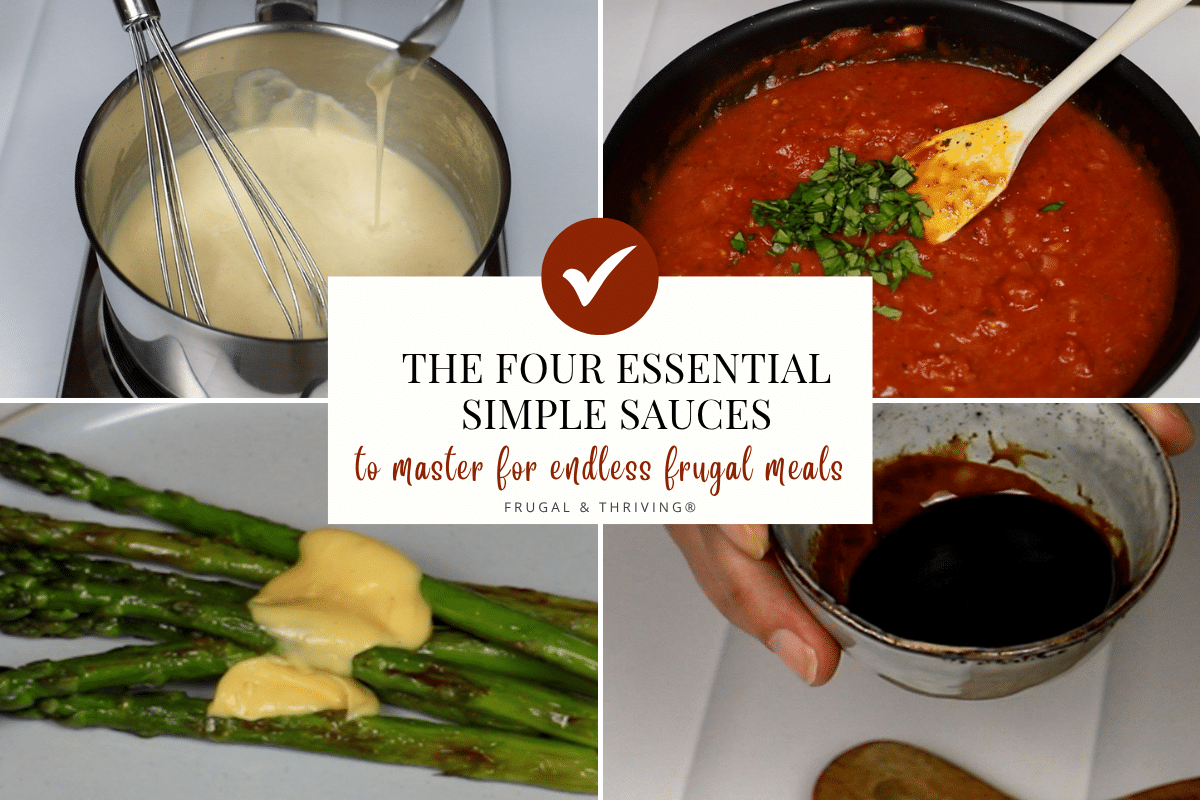
Unlock the freedom to cook without a recipe! Master simple sauces that empower you to turn any ingredients into tasty, low-cost meals your family will enjoy.
Recipes are awesome for learning new dishes and different ways to combine flavours. I love trying new recipes.
But the foundation of frugal cooking is being able to turn the ingredients you have on hand into a tasty meal, without a recipe or despite one, and that requires creativity and flexibility.
Being able to look in the fridge and pull out a bunch of random things to create a meal looks like wizardry, but you only need a few magic spells to be able to do it. These ‘spells’ – if you don’t mind sticking with the metaphor – include cooking techniques, a few versatile and frugal master recipes, and the following four essential sauces.
These four sauces let you mix and match ingredients and sauces to create an endless array of dishes using seasonal ingredients and what you have on hand. If you’re into capsule meal planning, then these sauces can ensure variety while sticking to a small number of basic ingredients.
For each sauce, I’ve included a video showing how I make it.
Four Essential Sauce Techniques to Master
The four essential sauces include:
From these four types of sauces, you can make a wide variety of meals (see the many suggestions below).
I’ve kind of collated the French-based ‘mother sauces’. If you master these types of sauces – and they’re not hard – you’ve got the first month of culinary school under your belt along with a heap of frugal recipes (I’ll share some below).
1. Roux-Based Sauces
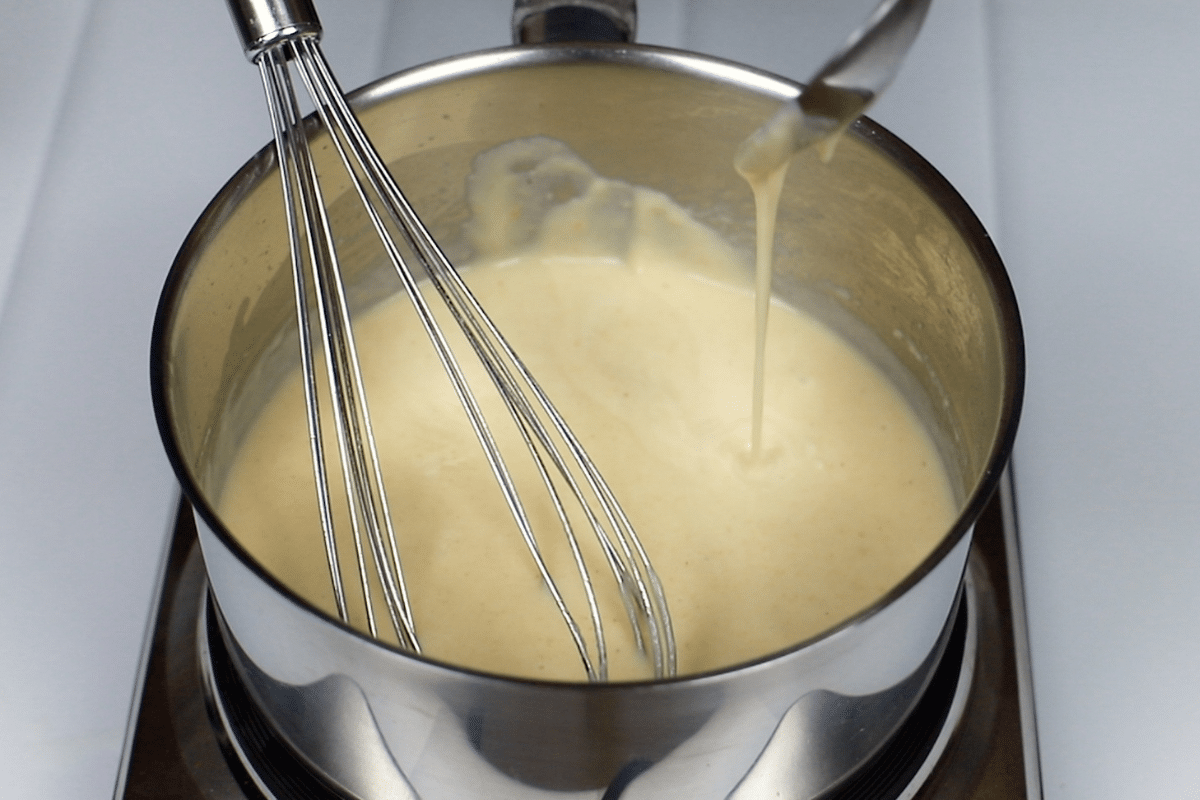
A roux-based sauce is one that is thickened with flour. There are three main types of roux sauces: white sauce or bechamel, velouté sauce and brown sauce. These sauces are essentially made the same way:
- White sauce is made with butter, flour and milk
- Velouté sauce is made with butter or fat, flour and stock (use the same recipe as white sauce but swap the milk with stock)
- Brown sauce is made with meat drippings, flour and stock.
Purists and gourmet chefs might cringe at how the mother sauces of French cuisine have been essentially reduced to mac ‘n’ cheese and gravy, but for the home cook, these sauces allow you to cook a wide variety of meals without getting too technical or taking too much time.
White Sauce and Its Variations
To a basic white sauce, you can add all sorts of other things to create a different taste.
Vary the flavours of your sauces by adding one or a combination of:
- Cheese for a cheese sauce
- Mustard
- Spices
- Herbs like parsley for parsley sauce
- Onion and/or garlic
- Tomato paste
- Wine (a splash and let it reduce before adding stock)
- Anchovies
- Capers
- Or a combination of your favourite flavourings
Here’s what you can make with white or velouté sauce:
- Lasagne or moussaka
- Macaroni and Cheese
- Pasta sauce, like mushroom sauce
- Sauce for silverside/corned beef
- Mornay Sauce
- You can use it as a binder in a pie, for example, a chicken and vegetable pie
- Cream of vegetable soup
- Croquettes
- Souffle
- Creamed or scalloped vegetables
- Hide vegetables in your white sauce by steaming and pureeing them to boost its nutritional value.
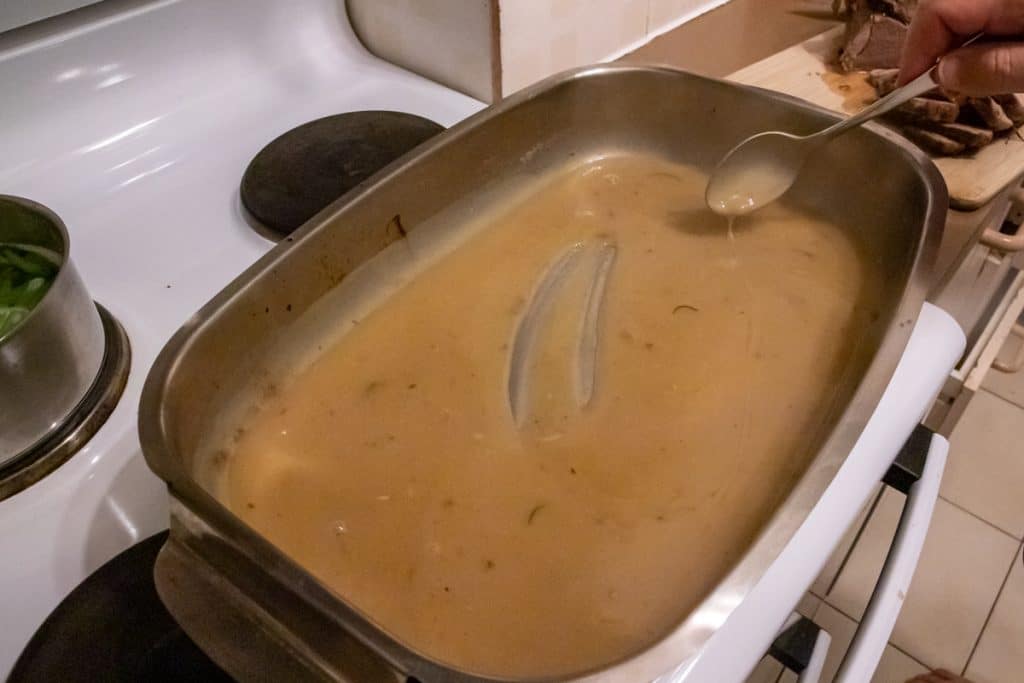
Brown Sauce
As far as your brown sauce goes, you can pour it over meat as is, or flavour it with your favourite flavourings for sauces like mushroom sauce or Diane sauce.
Brown sauce also forms the basis of a huge variety of stews, casseroles, and pies, although the technique varies slightly. Here’s how to do it:
Toss your cubed meat in flour. Brown it in hot oil, butter or fat. Remove from heat and add flavourings (like onion, garlic and spices) and then ‘deglaze’ the pan with liquid like a little wine or stock. Add more stock, your meat and veggies and your stew is underway.
2. Reduction Sauces
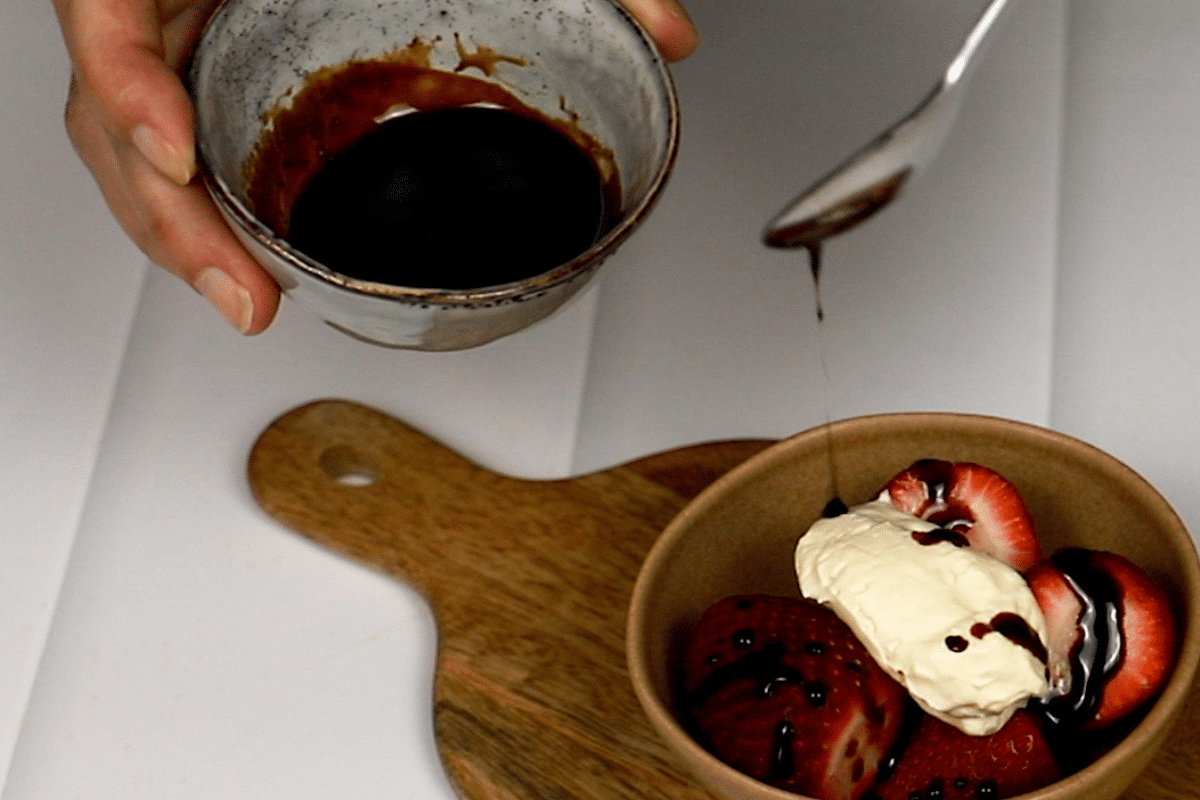
Reduction sauces are thickened by boiling until they ‘reduce’ in volume and, as a result, thicken.
You can reduce any liquid this way, intensifying its flavour.
Four super simple reduction sauces for the home cook include:
- pan sauce
- balsamic reduction
- alfredo sauce
- a simple demi-glace.
Pan Sauce
The most basic reduction sauce you can make is a pan sauce.
After sauteing meat, deglaze the pan with liquid, scraping up the browned bits and then reduce to a thick consistency before adding butter or cream.
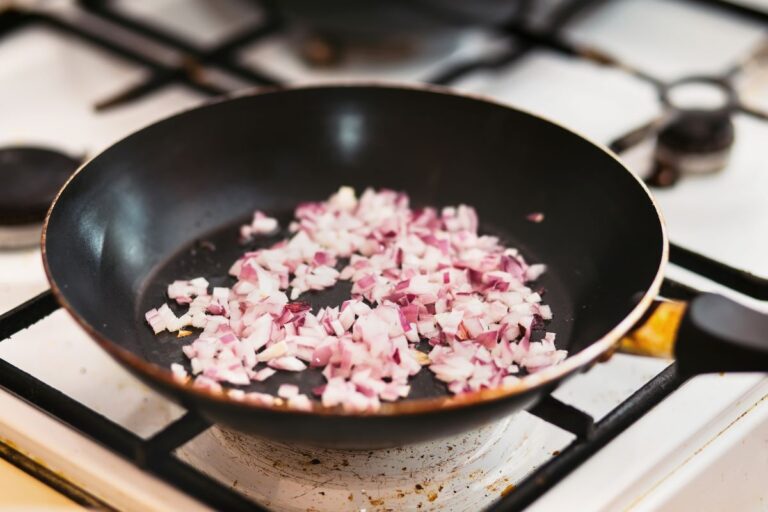
You can use wine or stock, or add a tiny splash of vinegar or lemon juice. Before adding the liquid, you can also fry off some onion or garlic as in the video below.
Balsamic Reduction
To make a balsamic reduction, simply boil balsamic vinegar until it’s thick and syrupy. Be sure to watch it so it doesn’t burn on the bottom.
This reduction can be drizzled over salad, vegetables, meat, fruit (particularly strawberries or pears) and even ice cream. Or it can be added to a vinaigrette. I love balsamic reduction over pumpkin and feta salad.
Alfredo Sauce
Alfredo Sauce is a cream sauce that is thickened by boiling to reduce rather than thickened with a roux.
For a super easy pasta sauce, saute some garlic in butter or oil, add cream and reduce until thickened slightly and then stir in parmesan cheese or cheese of choice. Toss through pasta and serve with freshly ground pepper.
Demi-glace
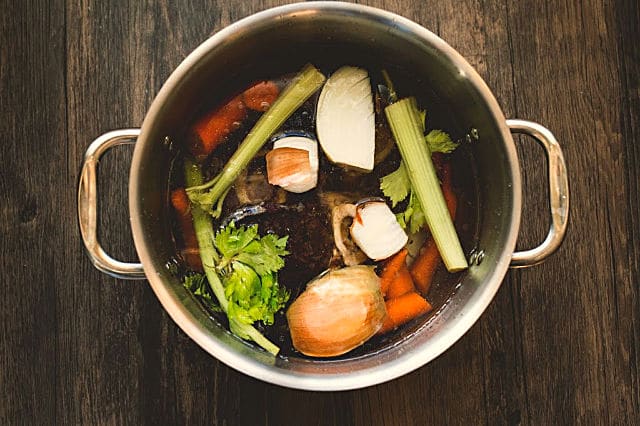
Demi-glaces can get complicated, but at their most basic, they are stock reduced to intensify the flavour. Cheap but oh, so gourmet!
Use a teaspoon of demi-glace to add flavour to stews or braises, make a simple pan sauce with your demi-glace or wow your family or friends with bordelaise sauce by reducing some red wine (and maybe some onion and herbs if you like), add the demi-glace and finish off with a little butter.
3. Emulsion-Based Sauces
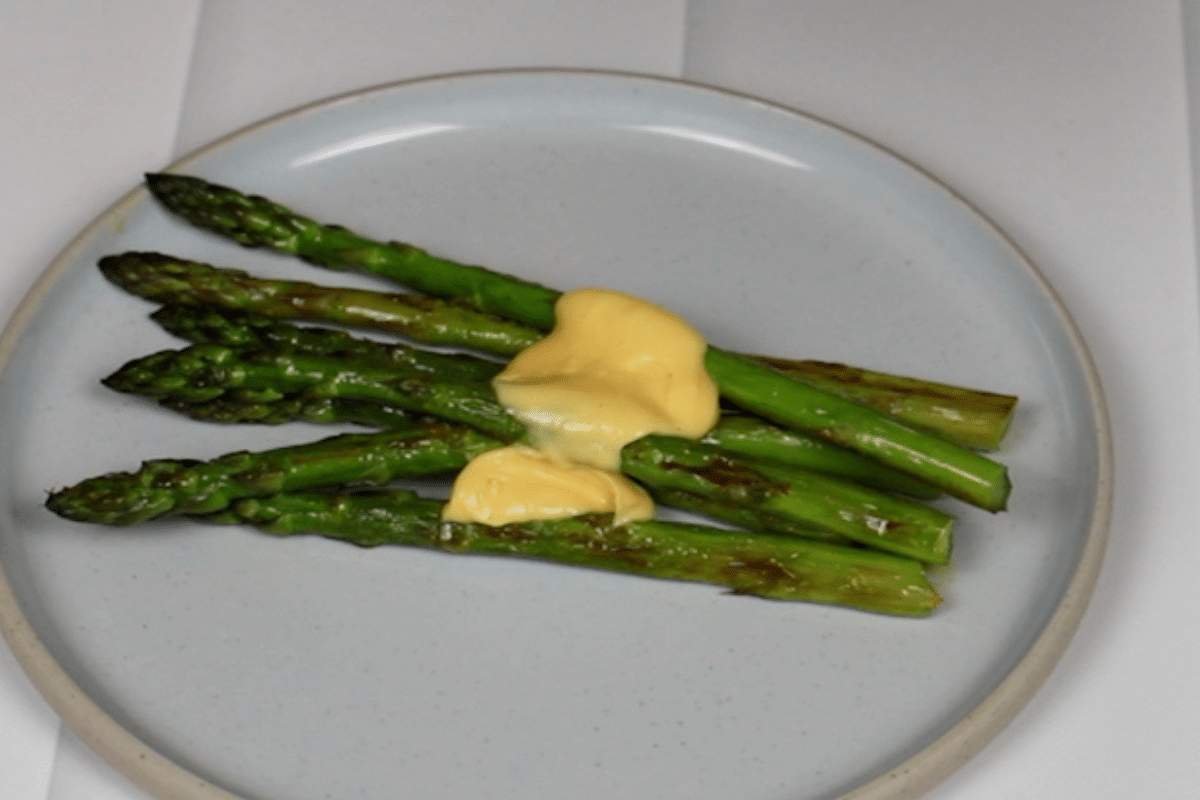
Emulsion sauces are thickened by mixing oil and liquid.
The basic emulsion sauces include:
- mayonnaise
- hollandaise
- vinaigrette
You can buy these sauces, but they are easy to make at home; you control the quality of the ingredients, and when you have the basic techniques under your belt, you can add a huge variety of flavours to your meals without running to the store.
Use these sauces to dress salads, vegetables, meat, seafood, eggs, sandwiches, burgers…just about anything.
Mayonnaise
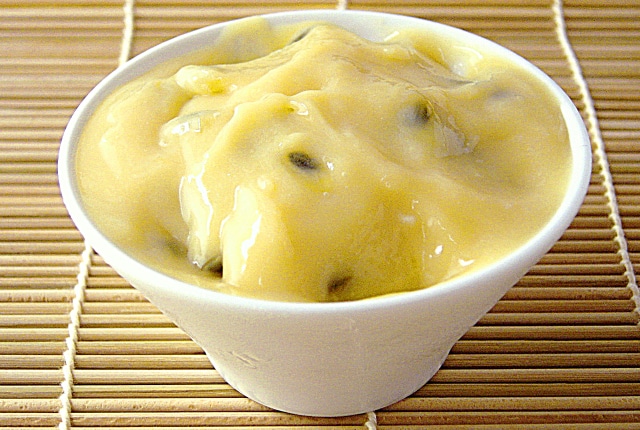
Mayonnaise is the emulsion of oil – preferably a flavourless oil – and egg. Doing it by hand takes time and patience, but if you have a hand blender, it’s super quick (1 minute) and easy to make. Check out the video below on how to make it.
For aioli, add garlic. For a herb mayo, add herbs. You can also add spices or pureed fruit like mango for something a little different.
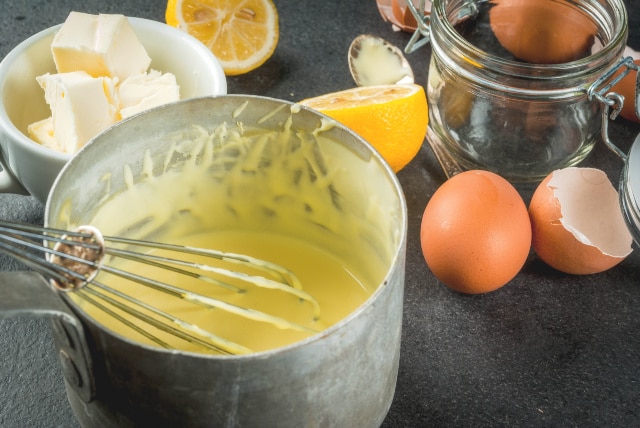
Hollandaise
Hollandaise sauce is an emulsion of butter and egg. It can be a bit finicky to make, but it is super speedy (1 minute) and fool-proof when you use a hand blender. Check out the video below on how to make it.
A bearnaise sauce is made similarly but from a reduction of vinegar flavoured with tarragon.
Vinaigrette
Vinaigrette is an emulsion of oil and vinegar. There are hundreds of variations to the flavour depending on what oil or vinegar you choose (or whether you use lemon juice instead) and what additional flavours you add like different types of herbs. Here’s a video on how to make a basic vinaigrette in a jar. Use your balsamic reduction above to create a honey balsamic vinaigrette. Or Italian herbs for an Italian vinaigrette. The sky is the limit.
Just remember the gold ratio is 1:3 – one part vinegar to three parts oil.
4. Marinara Sauce
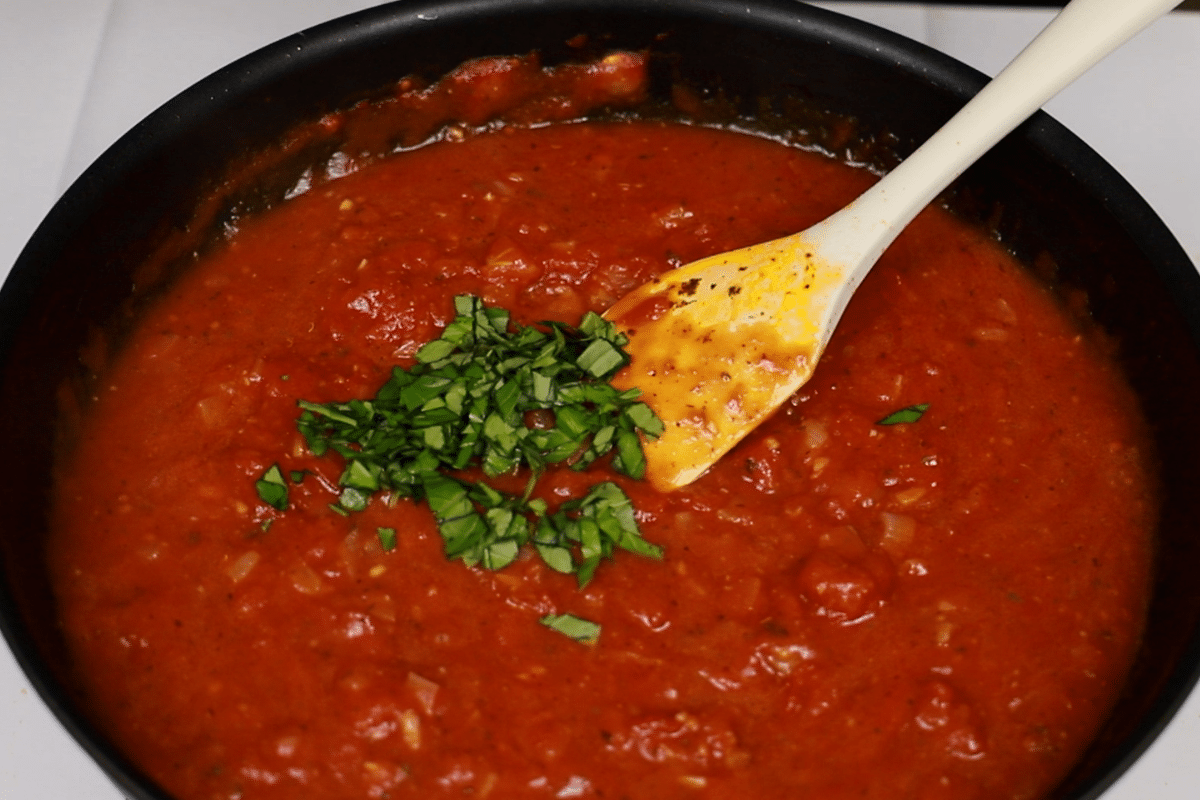
Marinara Sauce is a tomato-based sauce that’s so versatile; it’s worth having a few portions in your freezer.
Use the video below to learn how to make a big batch of marinara sauce to freeze in batches.
For greater flexibility, leave out the herbs so you can add different flavourings depending on how you want to use the sauce later on.
Uses for marinara sauce
- Lasagne
- Bolognese sauce
- Pasta sauce (flavour it with your favourite fresh herbs, bacon, capers, vegetables, olives or whatever you have in the fridge. Add a little cream for a creamy tomato sauce).
- For a hidden vegetable sauce, add pureed steamed vegetables.
- For chilli beef, add cumin, chilli and oregano as well as beans and mince.
- You can also use it as the base for enchilada sauce.
- Water it down and add vegetables and pasta for a minestrone.
- For a simple tomato soup, add some water and cream.
- Use as a pizza sauce (reduce slightly by boiling longer so it’s thicker)
- Use with stock for a tomato risotto or paella rice.
- Mix with vegetables for an easy ratatouille.
- Add some mustard, brown sugar and beans and simmer for easy baked beans.
- Poach chicken or fish in the sauce.
- Make Shakshouka.
- Add a couple of tablespoons to an ovenproof ramekin, add your favourite ingredients (I like mushrooms, but you can use sausage like this recipe), top with an egg and maybe some cheese and bake in the oven.
- Add to meatloaf.
You can master the ingredients you have on hand and serve them up in a wide variety of ways with these four different types of sauces.

What a saucey post! I’m super excited by that 1-minute mayonnaise video. I have chickens so I have an abundance of eggs, and since most salad dressings are just flavoured mayonnaise I prefer making my own to buying. I always though mayo was super difficult to make, but now I’m keen to give it a go!
Hi LadyFIRE, Homemade mayo from your own eggs! How fabulous! Hope it turns out well.
Great and really helpful article! Adding to the conversation, providing more information, or expressing a new point of view…Nice information and updates. Really i like it and everyday am visiting your site..
Thanks Alvina.
Hi,
What a great post! I really like the recipes it so easy to make. You have a great blog. Thanks
Thanks. :)