Frugal Freezer Tips: How I Use Our Freezer to Save Money on Groceries
This website may earn commissions from purchases made through links in this post. As an Amazon Associate, I earn from qualifying purchases.

Real-life frugal freezer tips. Here are a few common and surprising things I freeze to save money + tips + a printable freezer guide.
With food prices going up every week, with more money being handed over at the checkout for fewer groceries in the trolley, finding ways to stretch the grocery budget is critical.
One tool in the money-saving toolbox is the freezer.
We’ve got a tiny freezer perched on top of a small fridge in a small townhouse. It’s amazing how much we can fit in! I’d show you a photo, but honestly, if I opened it at the moment, everything would probably fall out.
It’s that jam-packed.
In this article, I want to share some frugal freezer tips that I use to stretch the grocery budget and save time and hassle in the kitchen at the same time.
Side Note: Why We’ve Opted Not to Get a Deep Freezer
Deep freezers can be a great way to save money on food. You can fit a ton in them, so you can stock up on markdowns and specials, batch cook, bulk buy, and save a packet.
But they’re not right for everyone.
Firstly, we don’t have the space. 83 square metres (107 if you count the garage) is not a lot of living space for four nearly adults.
Secondly, there’s a trade-off between the savings on the groceries and the cost of electricity to run a second freezer.
Third, while food lasts a long time in the freezer, it’s not indefinite. Bread, for instance, starts tasting like plastic and freezer after a few weeks.
Finally, we live in the subtropics. While cyclones are rare in our area, big storms aren’t. And when the power goes out, it can be out for days. I still remember after ex-Cyclone Oswald, the power was down for nearly a week. Everything in our little freezer had to be thrown out when money was particularly tight, which was a real financial blow.
A deep freezer is an investment in food and storage.
For us, it’s about finding a balance. We make the most of the small freezer we have, but we don’t want to risk losing a big investment if the worst happens.
Foods I Freeze
There are loads of things you can freeze and a few things you can’t. I’ve put together a printable list below, but here are some of the frugal – maybe unexpected – things I freeze that help stretch the grocery budget.
Vegetable scraps for stock
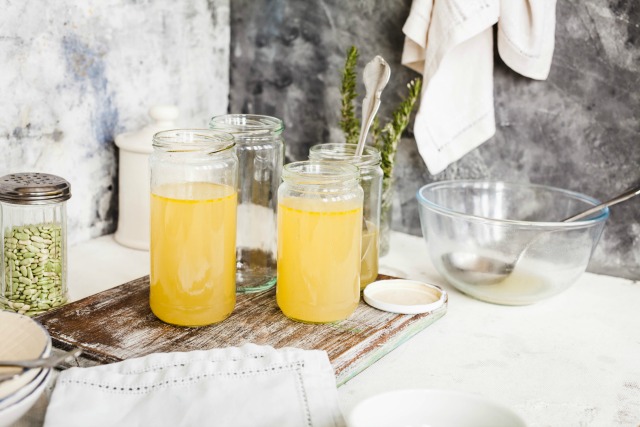
I freeze things like carrot skins, onion ends, parsley stalks, celery leaves — all the bits that usually get tossed. Once I’ve got enough, I make a big batch of veggie stock in the slow cooker.
Bones for soup and stock
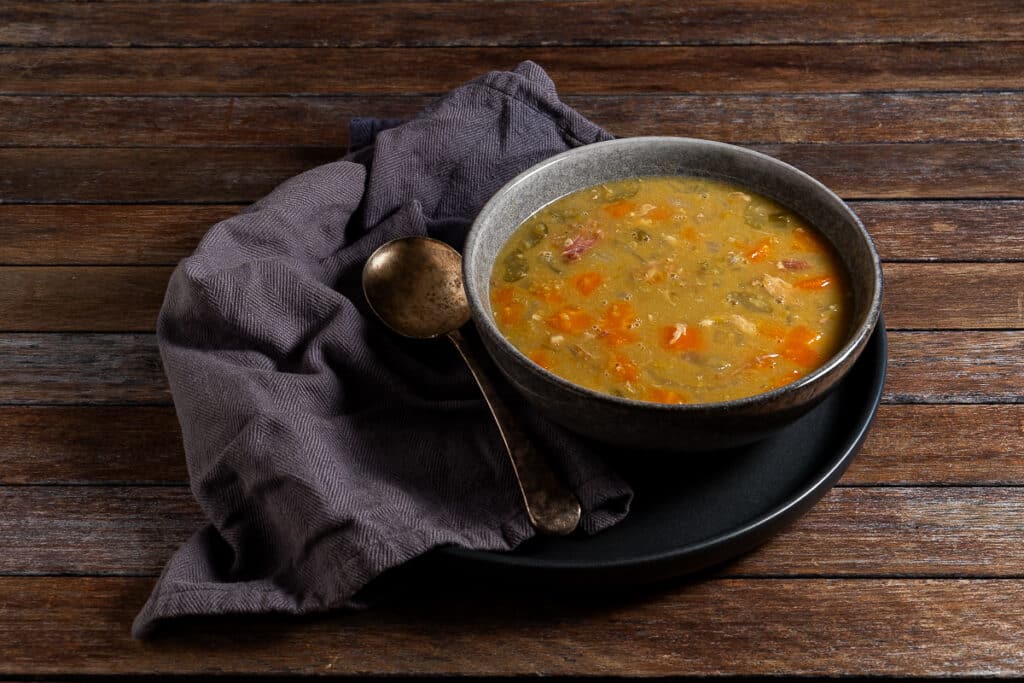
Maybe less common, but I freeze bones for soup and stock as well when I can’t use them straight away (not all the time, though). Sometimes I combine them with the veggie scraps for stock, sometimes I don’t.
If we get a Christmas ham, we always freeze the bone. It’s winter now, so I’ll be pulling it out soon for some pea and ham soup. I just wrap it well in foil and plastic wrap to freeze, then put it into the slow cooker for soup.
Leftovers to avoid waste
If there are too many leftovers for us to get through in a couple of days, I freeze them in portion sizes (I’m the only one who will eat leftovers unless it’s beef stew). That way, they don’t get forgotten in the fridge, and I’ve got quick lunches ready to go.
Marked-down bread
I always keep an eye out for marked-down bread. The other day I picked up bagels at Woolies for $1.50, which is cheap! I threw the bag in the freezer, and they defrost it in minutes. They make a quick, delicious breakfast with avocado.
If a regular loaf looks like it won’t get eaten in time, I freeze that too. It lasts a couple of months before it starts to taste a bit “freezery.”
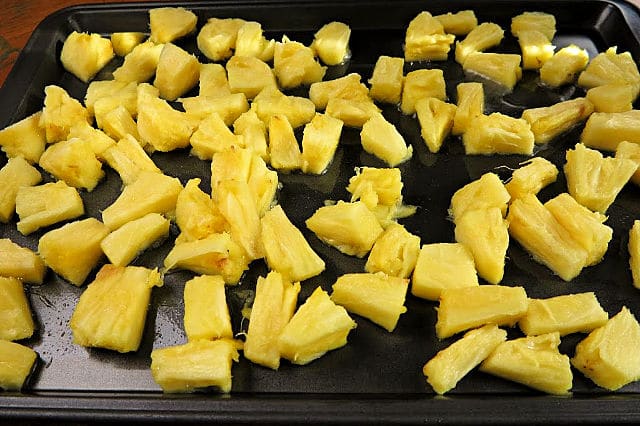
Excess fruit and berries
In summer, I freeze berries and extra fruit and veg so they don’t go to waste. I’ve got a post on how to flash freeze if you want to avoid everything clumping together.
Meal prep and marinated meat
I freeze things like marinated chicken, beef that I’ve pre-cut, chicken I’ve sliced, and other make-ahead meals like meatballs, tuna patties, and – my favourite – vegetarian nachos. Simply defrost, reheat, and everyone can make their own in an impromptu nacho bar.
The Batch Lady books are great for prepping a bunch of meals to freeze ahead.
Bulk meat buys
When I find a good deal on meat, I buy it in bulk and freeze it. Life is easier if you pre-cut it and pre-portion it first. This might seem like a no-brainer, but I remember my MIL complaining that they wasted meat because they had to defrost the whole tray at once.
Leftover stock
If I’ve made stock and don’t need it all straight away, or I’ve bought stock and I’ve only used a portion, I freeze the extra in plastic or silicon bags so it lies flat and doesn’t take up too much space.
Pastry and pizza dough
Leftover shortcrust pastry (good for mini pies or tarts) or homemade dough goes into the freezer too. We also freeze pita bread — it makes great pizzas and is thin enough that you don’t even need to defrost it first.
Cooked rice
I like to cook a big batch of rice in the rice cooker and freeze it in portions. It saves electricity and cuts down on washing up. When you need it, you can just reheat a portion in the microwave or in boiling water.
Cheap freezer meals
We keep a few frozen fallback options like chicken tenders or frozen fish for busy nights when I don’t feel like cooking. They’re not fancy, but they’re a lot cheaper than takeaway. One of our go-to dinners is a chicken tender cooked in the sandwich press – it only takes a couple of minutes. We serve it with reheated rice, some edamame, grated carrot, whatever other veg is around, maybe some avocado if we’ve got it. It’s super quick, cheaper, and healthier than takeaway.
Pre-made veggie burgers
These freeze really well, and it’s nice to have a quick veggie option on hand.
Grated cheese or other hard cheeses
I freeze cheese so it doesn’t go to waste, especially cheese like feta, where we might only need a little bit.
Feta and grated cheese are good to have on hand for baking (think savoury muffins), risottos, frittatas, or throwing on top of nachos.
Leftover coconut milk
Coconut milk often comes in bigger tins than I need, so I freeze the leftovers in little containers and label them with the amount in mLs. Makes it easy when I just need a bit for a sauce or curry.
Leftover sauces
Some sauces, like RecipeTin Eats satay sauce, make more than we need for one meal. I freeze the extra in portions — we usually get three meals out of a batch of Nagi’s satay sauce. Paired with pre-cooked rice that I’ve frozen in batches and the marinated chicken, which you can also freeze ahead in batches, it’s a great shortcut for a fantastic meal.
Frozen vegetables
Ok, nothing revolutionary here, but frozen veg is cheap (sometimes cheaper than fresh) and is just as nutritious. We keep a variety of veg, changing it up at times, but I particularly like the mixed vegetable bags – you get three kinds of veggies in one, they’re super versatile, and they save space.
Frozen mashed potatoes
Store-bought frozen mash is my guilty cheat and a fantastic shortcut. It’s not quite as good as homemade, but it’s close, and it makes dinner so much quicker. Great for topping cottage pie, making tuna rissoles, or just having as a side with bangers and gravy.
Chopped onion
Chopping onions in bulk and freezing them in portions is a great time-saver. It makes it so much quicker to throw together a meal later — plus, you get the onion tears over and done with in one go. Just note: they might need double bagging to avoid that oniony freezer smell.
Ripe bananas
Freezing ripe bananas before they go yucky is a great way to avoid waste. It’s best to peel them first and cut them in half before popping them into a bag. That way, they’re ready to throw into smoothies. No mess, no fuss.
Lemon juice (and zest)
If you’ve got a lot of lemons, freeze the juice in portions — ice cube trays work well. You can also freeze lemon zest to add a hit of flavour to cooking even when you don’t have fresh lemons on hand.
Fresh herbs
Some herbs freeze better than others. We freeze kaffir lime leaves, curry leaves, lemongrass – the kind of herbs you might only need one or two of at a time. That way, they’re always on hand when a recipe calls for them.
Lunch Meat
A ham, cheese, and salad on a sandwich, roll, or wrap is a quick and easy lunch to throw together on busy weekday mornings. But ham can be expensive. When it’s half-price, I stock up and freeze it in portions, ready to defrost on Sunday for the weekly school lunches.
Half-price bacon and chorizo
The great thing about bacon and chorizo sausage is that a little bit goes a long way while adding a ton of flavour. We use one chorizo sausage to feed four people in dishes like this Spanish-style omelette and this baked gnocchi. Bacon can be great to flavour fried rice (especially if you already have rice made in the freezer, and carbonara-style pastas.
Frugal Freezer Tips That Will Save Your Sanity
When space is as tight as the budget, it’s important to maximise your freezer and reduce waste (of food, time, and space!). Here’s what’s worked for me.
Freeze things flat
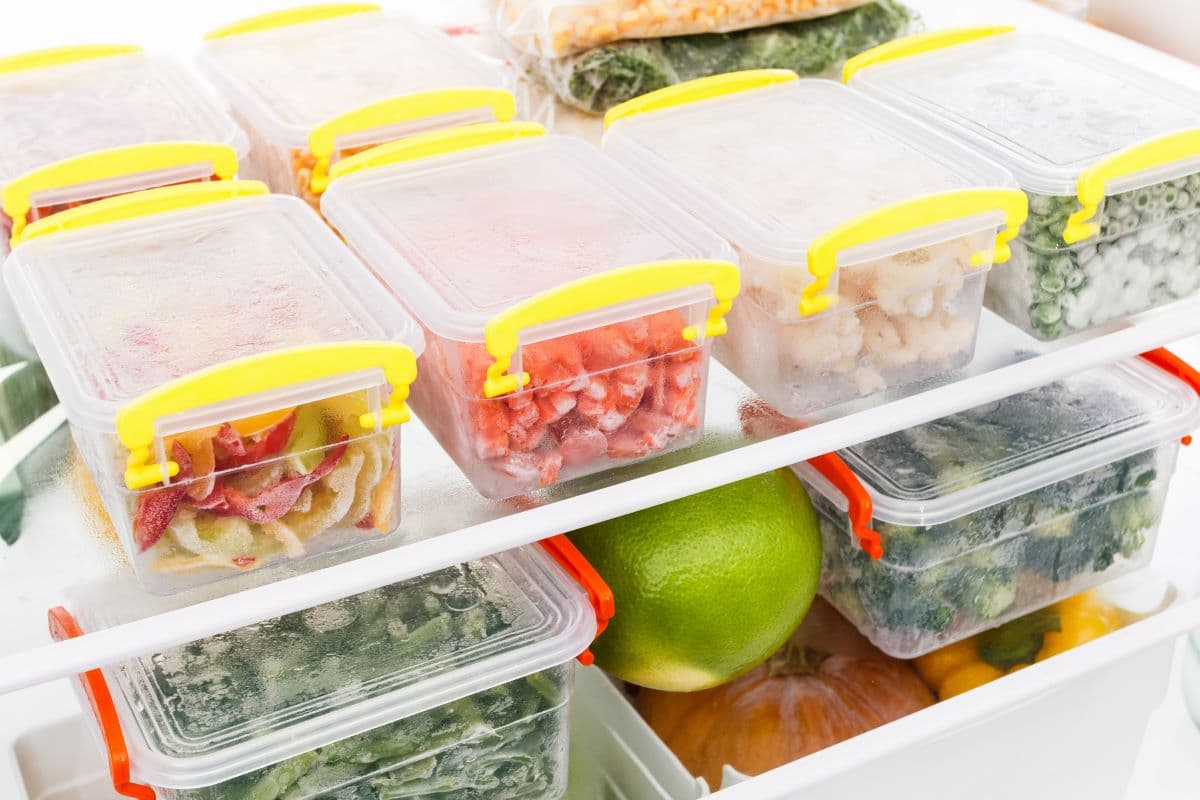
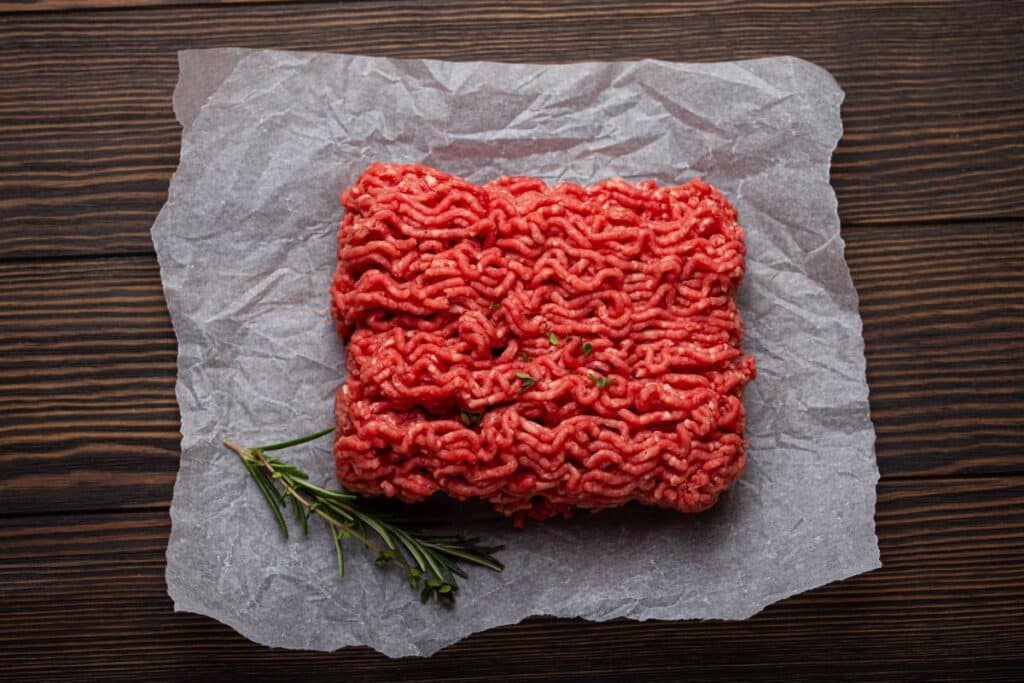
Freeze as much as you can, flat – either in ziplock bags or reusable silicone ones. It means you can stack things neatly and fit a lot more into your freezer. Flat packs take up way less room than bulky containers. I always squish mince down into a square disc, both to save space and to defrost more quickly.
Square and rectangular containers fit better
If you’re using containers, go for square or rectangular ones. They stack better and waste less space than round containers, which tend to leave awkward gaps.
Baskets can help (but they do take up space)
You can use baskets to group things. It’s handy if you’re bulk freezing something like sandwich ham when it’s on special. We portion it out for the week and keep all the packets together in one basket so they’re easy to grab. Just be aware that baskets take up a bit of room, so it’s a trade-off.
Label everything
Once things are frozen, they all start to look the same. I like to label each item with:
- the date it was frozen
- a “use by” date (I usually go three months)
- how many portions are inside
- and if it’s something like stock or coconut milk, how many mLs
Keep a freezer list (if you can maintain it)
One way to keep track of what’s in your freezer is to stick a list on the front. A whiteboard or a piece of paper works well. Add items when you put them in, and cross them off when you take them out.
This works brilliantly if everyone in the house uses it. But if you’re the only one updating it, it quickly becomes more life admin. If you can make it work, it’s a great system, but if it adds to your mental load, it’s okay to skip it.
Things That Don’t Freeze Well
Some foods just don’t hold up in the freezer. Either the texture changes or they split when defrosted. Here are a few I tend to avoid freezing:
Dairy like yoghurt, sour cream, and regular cream – These can go grainy or separate once thawed. Not ideal unless you’re planning to use them in cooking, where it won’t matter as much.
Milk – Milk isn’t great unless you’re using it for baking. It can separate a bit and won’t have the same smooth texture for drinking.
Eggs – Whole eggs in the shell definitely don’t freeze well — they expand and crack. You can freeze eggs if you crack and whisk them first, but I’ve never bothered.
Lettuce, cucumber, and salad stuff – These go mushy and watery. Best to eat fresh.
Mayo-based salads – Things like potato salad or coleslaw with mayo don’t defrost well. The mayo can separate and turn oily.
Cream-based soups – If you’re making a soup with cream, like pumpkin soup, it’s better to freeze it before adding the cream. Then just stir it in after reheating. That way, it stays smooth and doesn’t split.
Printable Freezer Guide
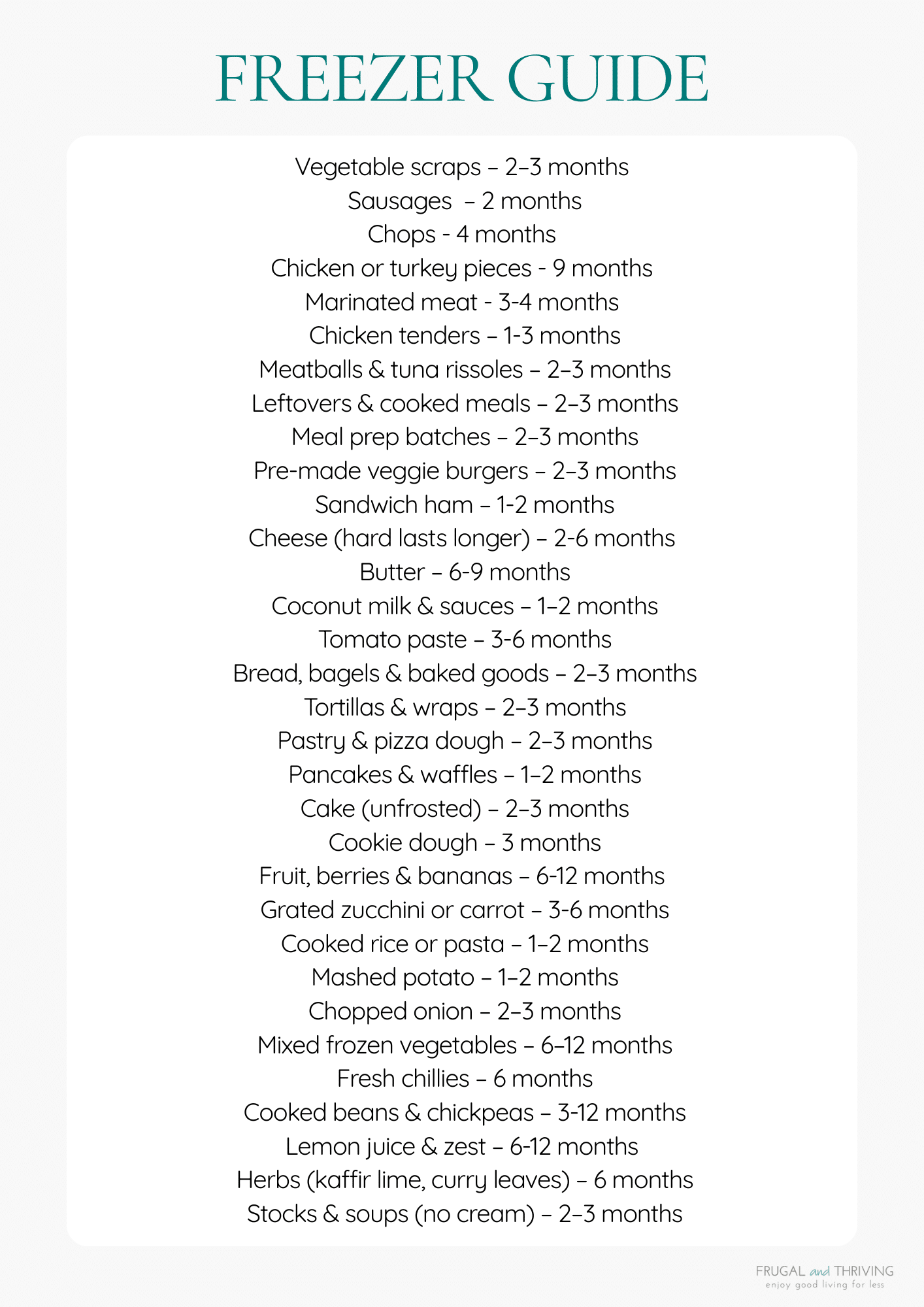
Download the printable list of freezer-friendly foods and recommended freezer times (PDF).
It’s important to note that foods frozen properly, below -18°C, keep pretty much indefinitely. The recommended times are for optimum quality, but as long as they are kept frozen, they will still be safe to eat after the recommended time (see the USDA guide for reference).
A freezer is a great way to save money, especially if you’re freezing leftovers or food so it doesn’t go bad. Even a small freezer can make a big difference if you pack it tightly with smart space-saver ideas.
What are your best frugal freezer tips? Leave a comment and let us know your freezer go-tos.