How to Cook Anything and Save Money: The Frugal Starter Guide
This website may earn commissions from purchases made through links in this post. As an Amazon Associate, I earn from qualifying purchases.
You don’t need a cookbook full of recipes to cook delicious, healthy meals, just a few core skills. Here’s how to cook anything (well, just about), and save money doing it.
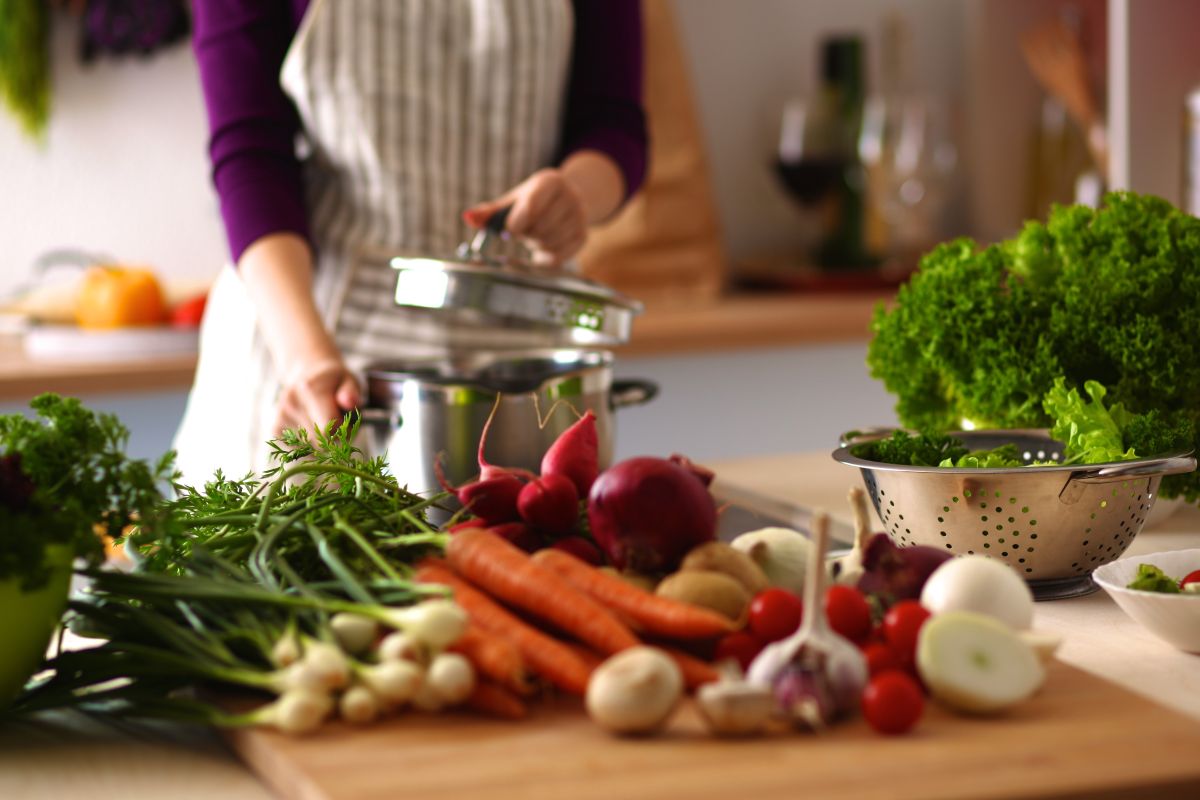
There are two ways to approach cooking.
The first is to find a recipe and then purchase all the necessary ingredients for it.
The second is to create a meal with what you already have on hand.
When you’re staring at a half-empty fridge or trying to make the most of pantry staples, being able to create a meal with what you have on hand is an invaluable skill.
It helps you reduce waste, eat seasonally, and save money. Of course, it’s also fun to cook new recipes from a cookbook, and it’s a great way to learn and expand your culinary repertoire.
However, learning to cook as our grandparents did – by mastering the basics that can be adapted to the food on hand – gives you flexibility and enhances your creativity.
This article is a starting point to frugal, flexible cooking, intended for those new to cooking from scratch.
It links to deeper guides for cooking techniques, basic recipes, meal templates, sauces, and more.
Why Learn to Cook Without Recipes?
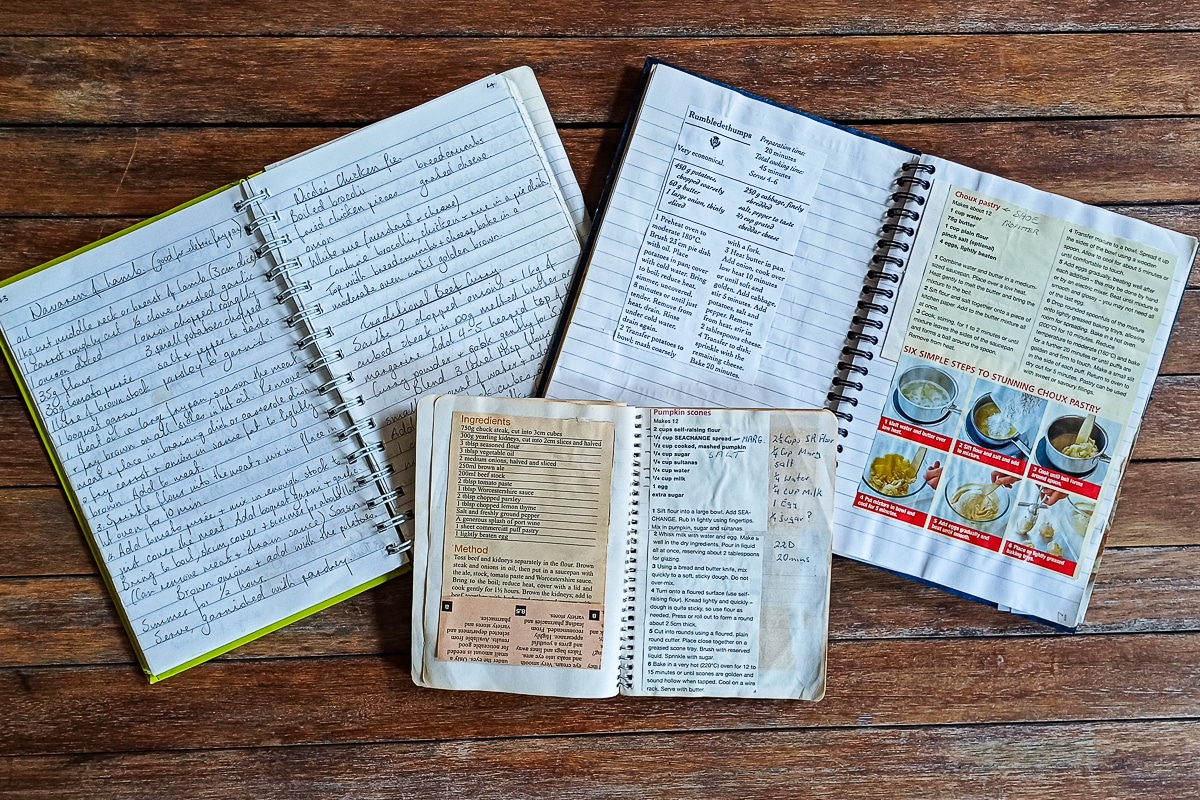
Recipes are great for inspiration. Believe me, I have a ton of recipe books and learn new things all the time from trying new recipes. And, of course, I share recipes frequently on this blog.
But real-life, on-the-fly cooking often means improvisation.
You’re missing an ingredient, you forgot to defrost meat, or you’re trying to stretch one last chicken breast into a meal for four.
Learning to cook without recipes gives you:
- The ability to use what you already have
- More creativity and confidence
- Less food waste
- Less dependency on expensive or specific ingredients
- And most importantly, it saves you money
Instead of asking “What can I make with this recipe?”, you’ll start asking, “What can I make with what I already have?”
The 5 Core Pillars of Frugal Cooking
Here are the essential concepts every home cook needs to know in order to cook just about anything.
1. Basic Food Prep and Food Safety
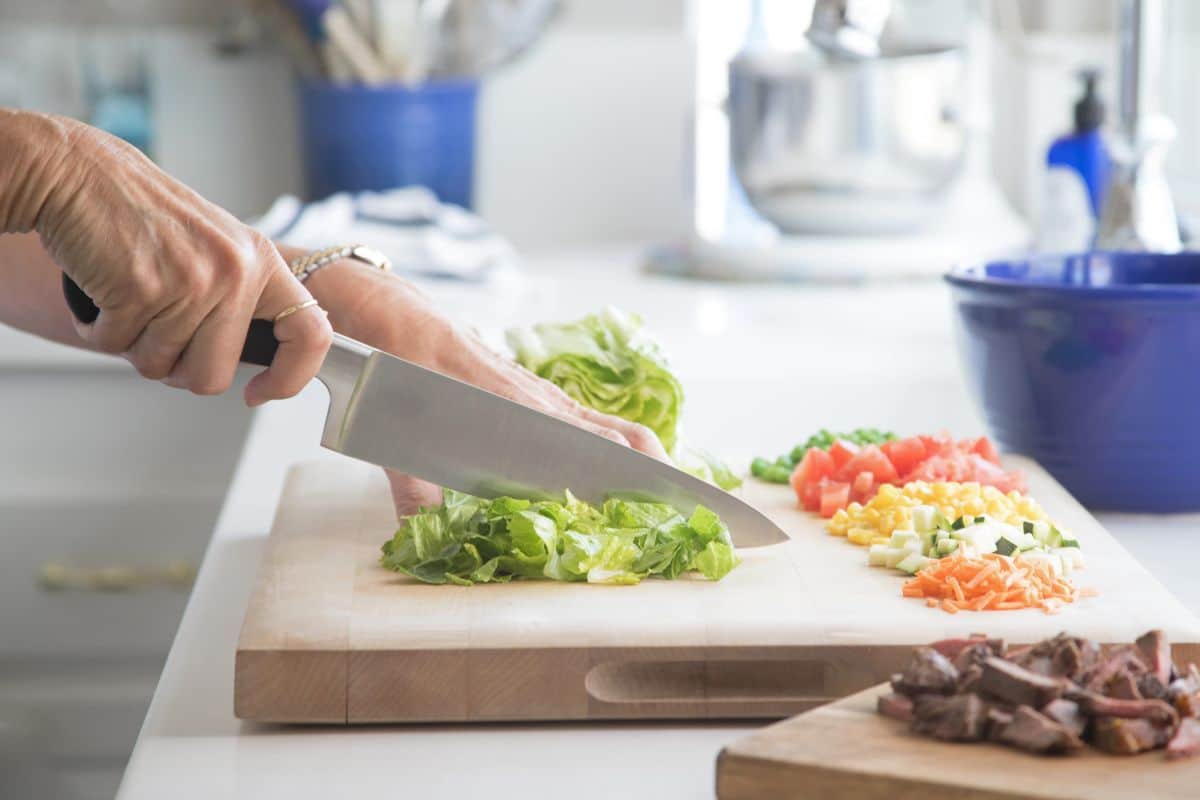
Before you cook anything, it helps to know a few simple prep and food safety basics.
These aren’t complicated, but they save you time, make cooking easier, and make sure you’re preparing food safely.
Food Prep Basics – Mise en Place
Mise en place means ‘in its place’ and it’s about cutting all your food and getting everything out, measured, and ready before you start cooking to make it streamlined.
- Set up your space: Clear your bench, wash your hands, and get your tools out.
- Use a sharp knife: It’s safer and faster than a blunt one.
- Cut safely: Use a stable cutting board and tuck your fingers in (“claw grip”).
- Prep before you cook: Chop all ingredients first to make cooking smoother and less stressful.
Food Safety Essentials
- Wash hands and surfaces often: Especially between handling raw meat and veggies.
- Use separate boards: Keep raw meat separate from fruit/veg.
- Cook to safe temps: A digital thermometer (Amazon link) helps with this. Reheat leftovers until piping hot.
- Store food safely: Refrigerate leftovers within 2 hours and eat within 3 days.
For more information on food safety, including recommended temperatures and storage tips, check out Food Safety in the Home by the Food Safety Information Council of Australia.
2. The 8 Basic Cooking Methods
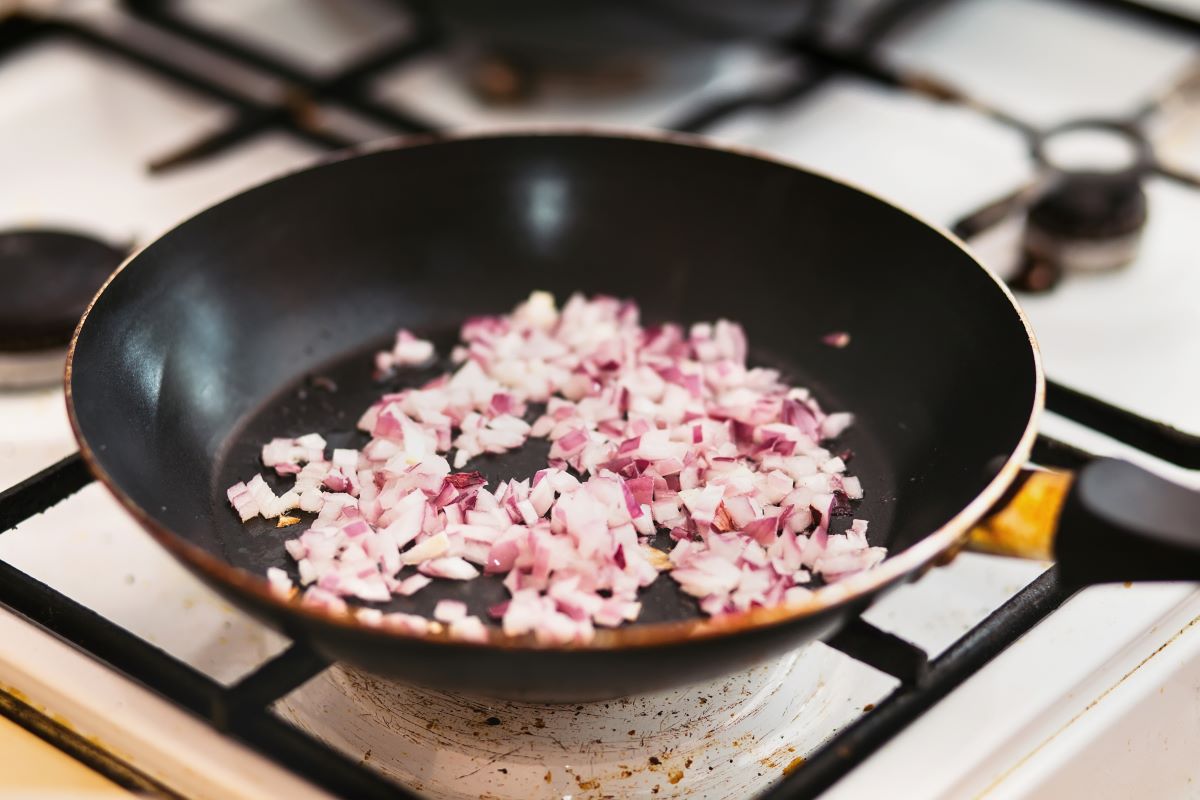
When you know how to boil, sauté, roast, and steam, you can cook nearly anything with confidence.
You don’t need fancy training, just an understanding of how heat transforms food.
Master these five to unlock hundreds of meals:
- Sautéing: For quick stir-fries, pasta sauces, and one-pan meals.
- Boiling/Simmering: Soups, stocks, grains, legumes — your frugal best friends.
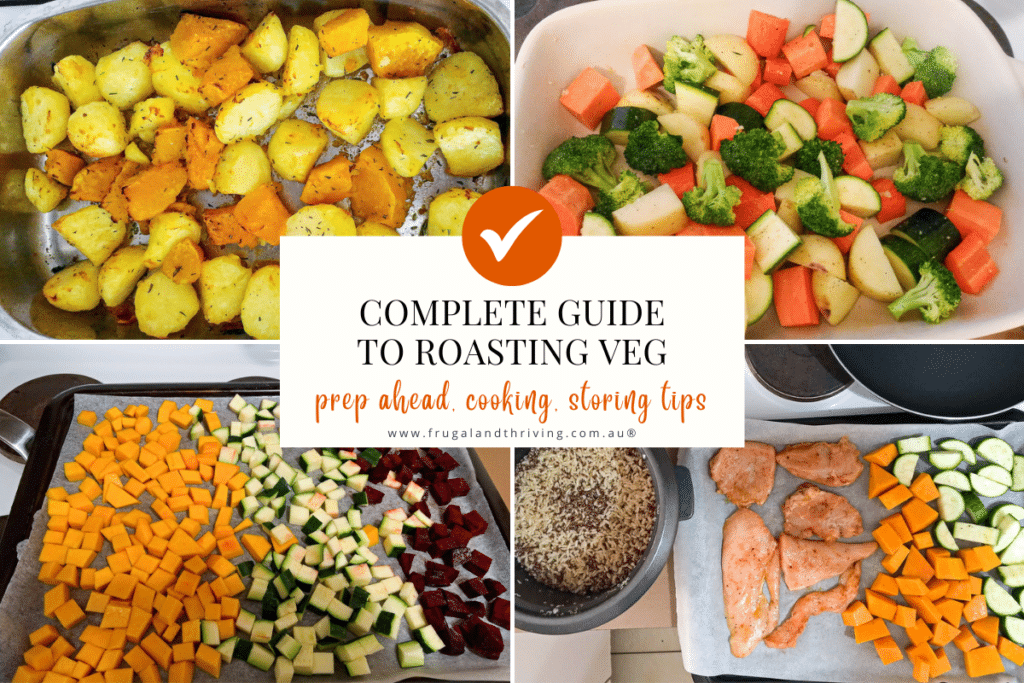
- Roasting: Makes even plain veg taste amazing. Great for batch cooking too.
- Steaming: A healthy way to cook delicate veggies or dumplings.
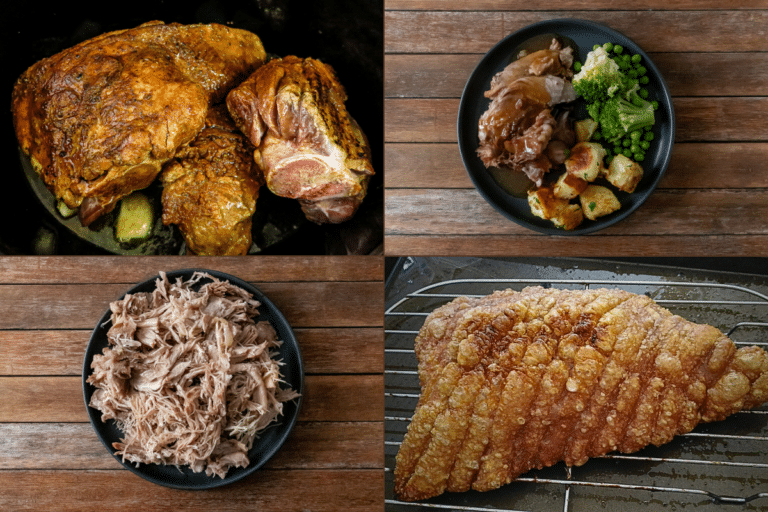
- Braising/Slow Cooking: Ideal for cheaper cuts of meat and hearty stews.
Once you know how to cook something, you can adapt each technique to an endless variety of meals.
For more information:
3. Essential Sauces Every Home Cook Should Know
If cooking methods are the engine of your kitchen, sauces are the flavour.
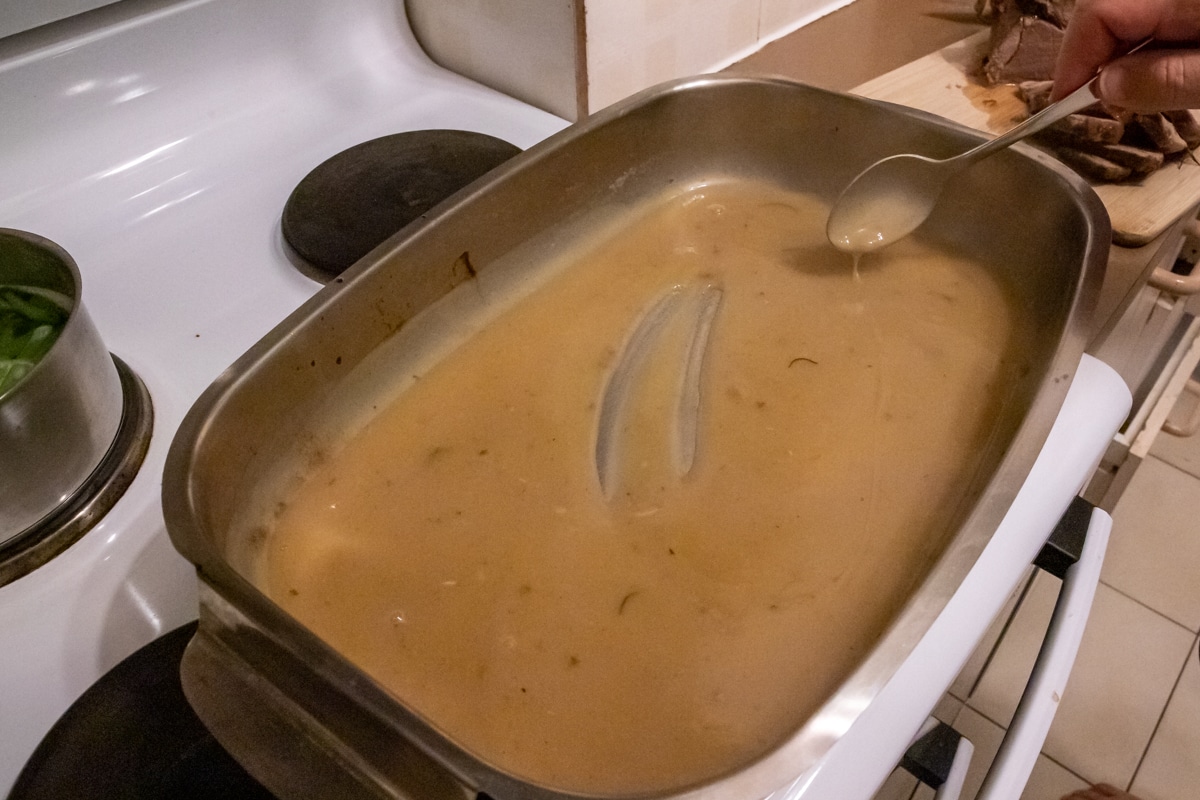
Sauces are one of the easiest ways to turn basic pantry ingredients into totally different meals, even when you’re cooking the same core foods.
Even better: most sauces are cheap to make and can be doubled, frozen, or used in multiple meals.
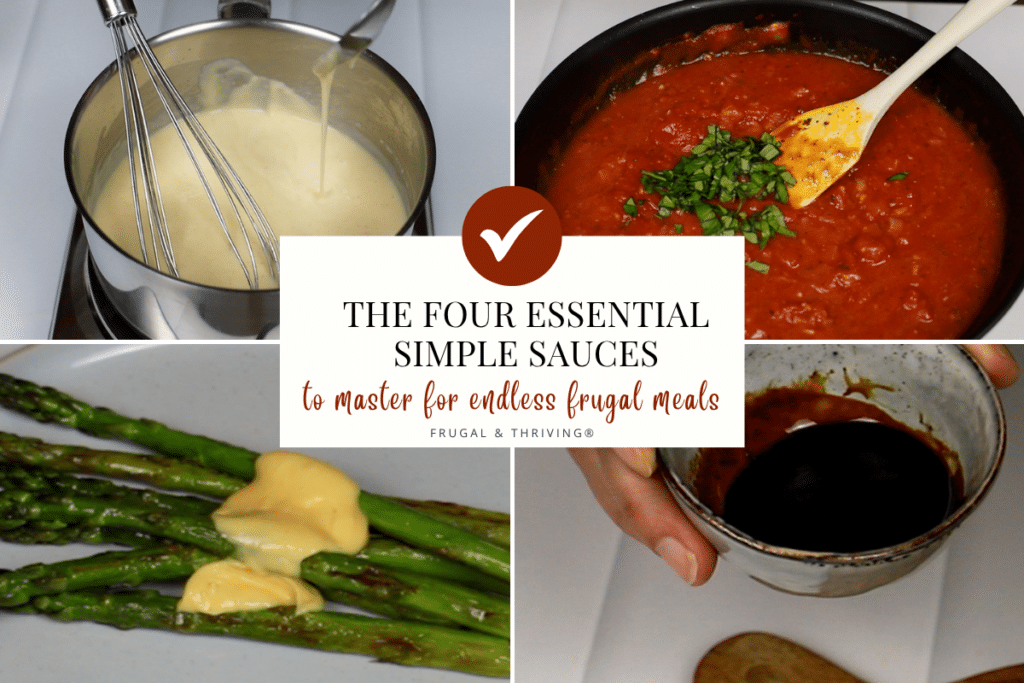
Here are a few frugal and flexible sauces worth mastering:
Basic Tomato Sauce
Use it for: Pasta, pizza, meatballs, shakshuka, baked beans, stews.
Make it from: Tinned tomatoes, garlic, onion, herbs, olive oil.
White Sauce (Béchamel or Cheese Sauce)
Use it for: Pasta bakes, lasagne, veg gratin, pies, croquettes.
Make it from: Butter, flour, milk — add cheese if you have it.
Gravy or Pan Sauce
Use it for: Roast veg, meats, casseroles, pies.
Make it from: Drippings or stock, flour, and seasonings.
Salad Dressing
Use it for: Salads, grain bowls, roasted veg, sandwich spreads.
Make it from: Oil + acid (vinegar or lemon juice) + seasoning. Add mustard or honey for flavour.
For more information (with videos):
4. Basic Recipes to Make Hundreds of Meals
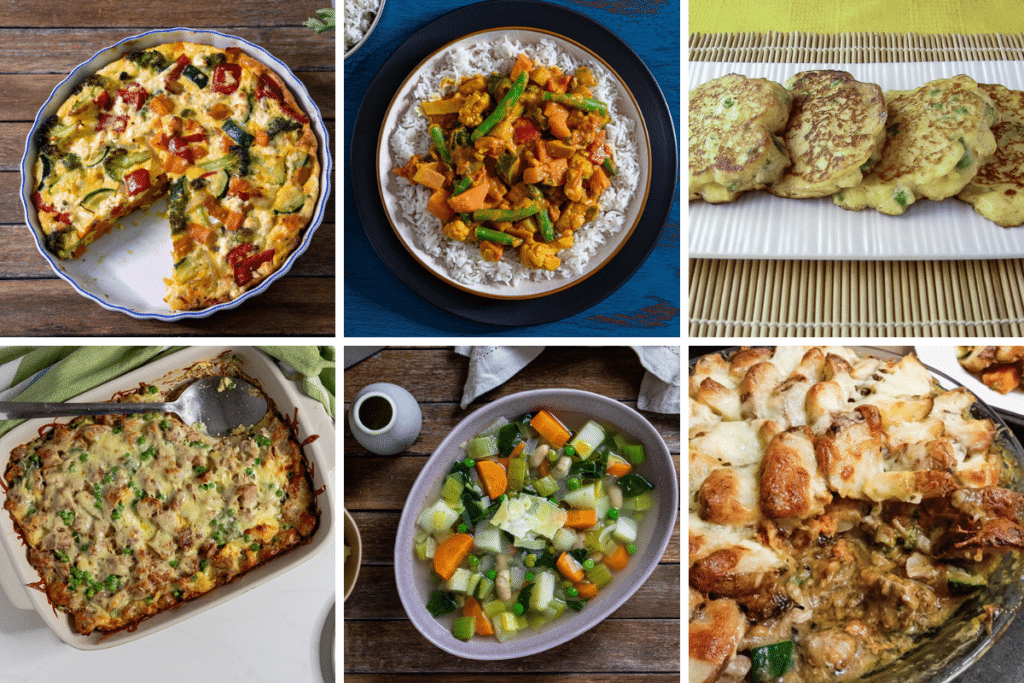
Foundational recipes are versatile templates that can be mixed and matched with ingredients on hand to make an endless number of meals.
These aren’t fancy or complicated. They’re the kind of meals that:
- Use basic pantry ingredients
- Don’t rely on precise measurements
Work with swaps and substitutions
Can stretch to feed a crowd or shrink for one.
A frittata is a great example. It uses eggs and milk as the base to which you can add any number and combination of vegetables, meats, herbs, cheeses, things in tins or jars (olives, tuna, artichoke hearts), to name a few.
Not sure about what ingredient goes best with another? A good ingredient encyclopedia is a fantastic reference. I’ve had Stephanie Alexander’s Ingredients Companion for years – I’m guessing AI can also tell you what goes well with what.
If you prefer books, I also find Salt, Fat, Acid, Heat is a good how-to book for building flavour and the Flavour Thesaurus another good reference for mixing and matching flavours.
For more information on foundational recipes:
5. Cook with the Seasons
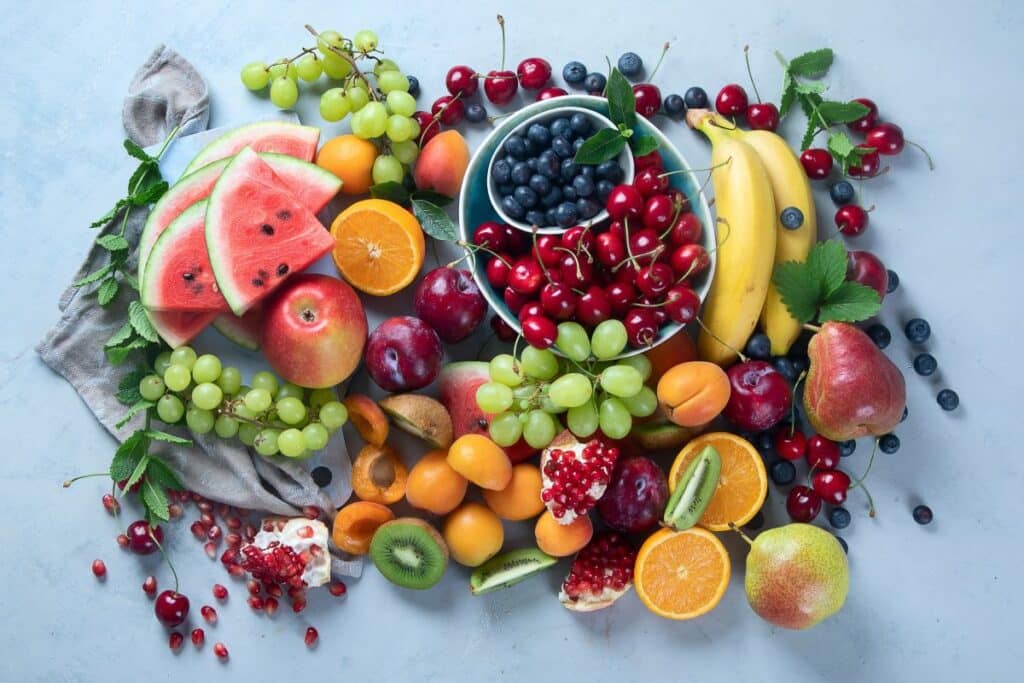
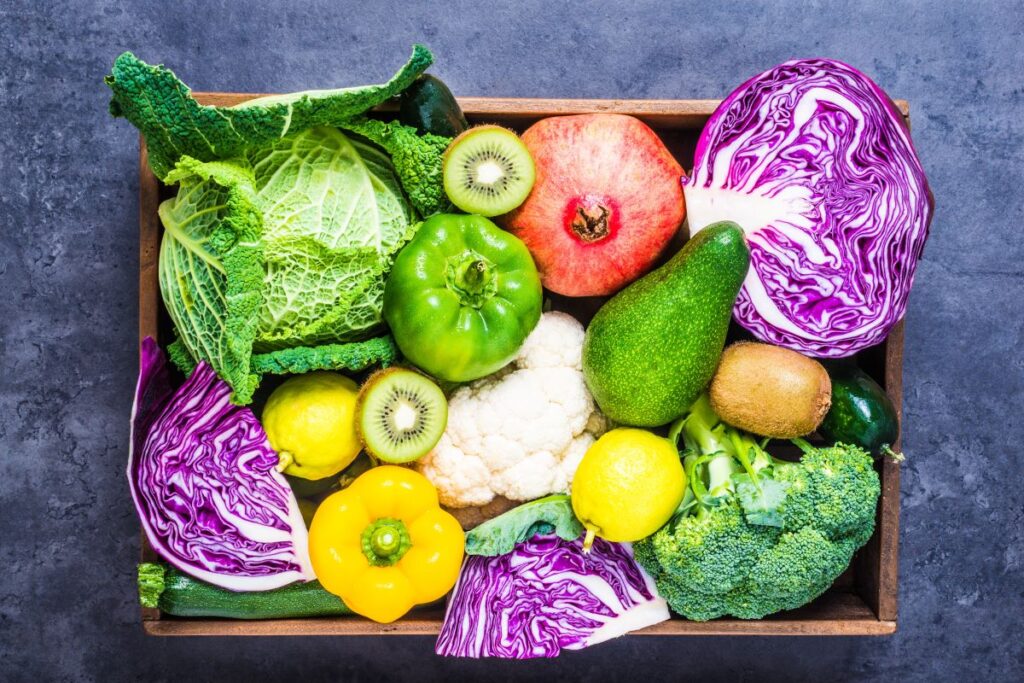
Seasonal ingredients are fresher, cheaper, and often locally available, which means better flavour and lower costs.
Instead of planning around recipes, you can plan around what’s in season. For example:
- Zucchini, tomatoes, and corn in summer
- Pumpkin, carrots, and cabbage in winter
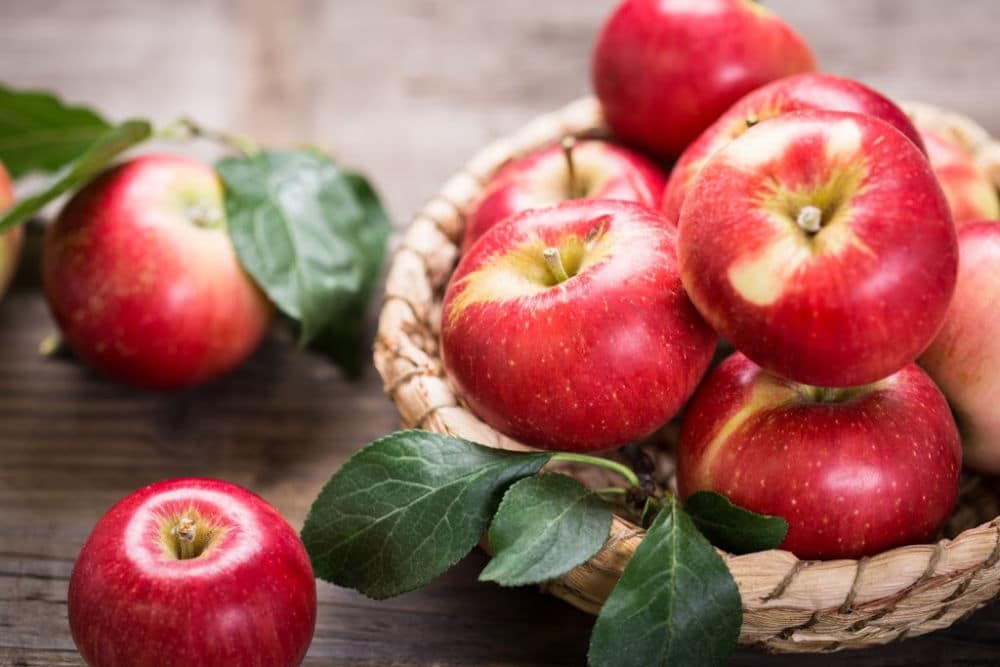
- Apples and silverbeet in autumn
- Fresh greens in spring
Because there are local variations (here in the tropics, strawberry season start at the end of winter!) it’s a good idea to check out your local farmers’ market or supermarket specials to guide your meals.

Cook with What You Have: The Frugal Pantry Framework
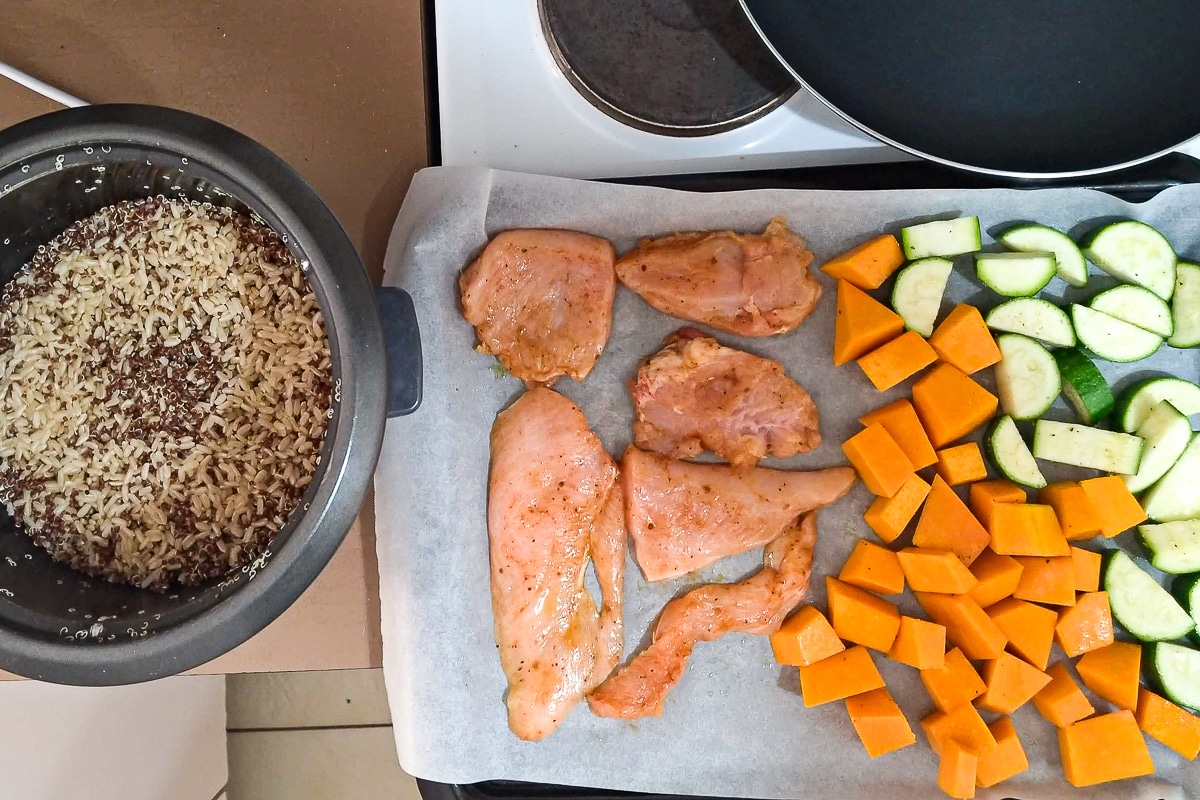
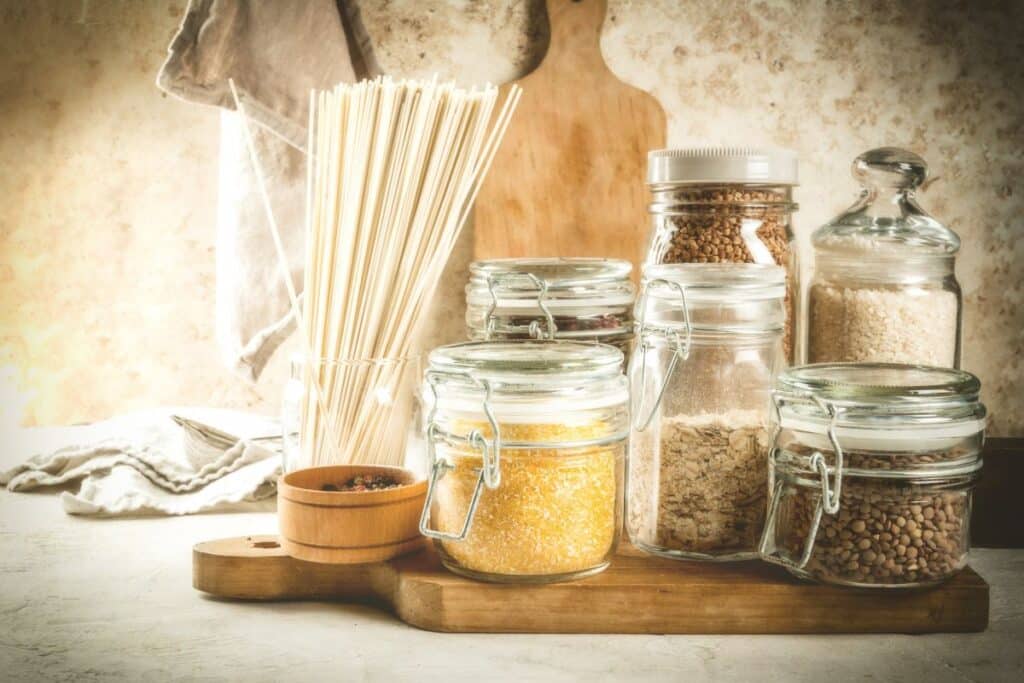
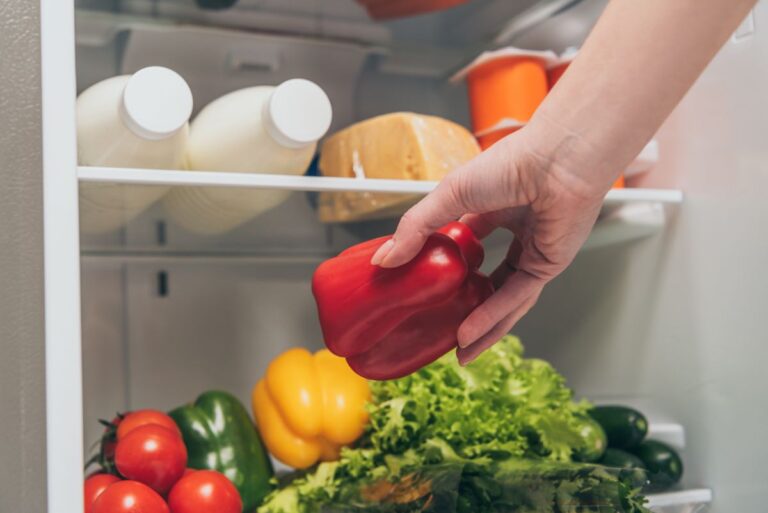
The most powerful cooking strategy is using what you already have. Think of your fridge, freezer, and pantry as your “toolbox.”
Here’s how:
- Check your ingredients: What needs to be used up?
- Pick a base technique: Stir-fry? Soup? Bake? Grill?
- Add flavour: Use herbs, spices, sauces, or condiments
- Stretch it: Add lentils, beans, rice, or pasta to bulk up meals
Think in Templates, Not Recipes
Here’s how to approach meals using easy-to-remember formulas:
| Template | Formula | Examples |
| Stir-Fry | Protein + Veg + Sauce + Rice (cheat with the sauce, keep frozen veg on hand) | Chicken & broccoli with soy sauce, tofu & capsicum with satay |
| Frittata | Eggs + Leftovers + Cheese | Spinach frittata, roast veg frittata |
| Soup | Stock + Veg + Starch + Protein | Veggie & lentil, chicken & noodle, potato & leek |
| Pasta | Pasta + Sauce + Add-ins | Tomato & tuna, creamy spinach, garlic oil & breadcrumbs |
| Salad Bowl | Base + Protein + Crunch + Dressing | Grain bowl with chickpeas, leafy salad with boiled egg |
Real-Life Example: One Chicken Breast, 5+ Meal Options
Need to stretch a meal? Here’s how a single chicken breast can make a variety of dishes:
| Dish | Strategy |
| Stir-Fry | Thin-sliced with rice and frozen veg |
| Chicken Pie | Combine with leftover veg, white sauce and pastry or potato topping |
| Fried Rice | Dice and fry with rice, egg, soy, and frozen veg |
| Tacos/Wraps | Shred and season for wraps with salad |
| Soup Base | Boil for broth and shred meat into soup |
Bonus Frugal Habits That Make You a Better Cook
- Freeze leftovers: Label with name + date
- Save veggie scraps for homemade stock
- Buy in bulk when things are on sale (freeze meats, grains, etc.)
- Batch cook sauces and meals when you have time
- Use ingredient swaps instead of extra trips to the store
- Keep a pantry checklist
You don’t need to be a gourmet chef.
You just need a few core skills, a flexible, seasonal approach, and the confidence to use what’s on hand. Practicing basic techniques, foundational recipes, and a few sauces can give you just that.
What’s your go-to “I just need to use what I have” meal? Drop a comment below, I’d love to hear what’s working in your kitchen.
Further Reading: