8 Essential Life Skills for Teens (That I Hope to Teach My Kids)
This website may earn commissions from purchases made through links in this post. As an Amazon Associate, I earn from qualifying purchases.

Even in a world of apps, AI, and DoorDash, these essential life skills for teens are ones I consider timeless, and I’m teaching them to my kids before they move out.
When I first started this blog, I was in my twenties, newly married, first home, and feeling, for the first time, like a real adult.
Fast forward eighteen(!) years, and now my teenage kids are talking about leaving home. Suddenly, I’m thinking about all the adulting skills they’ll need before they leave.
I had a lot of chores as a teen – mum went back to work, and I had to cook dinner one night, iron dad’s work shirts, clean the bathroom, and wash the dishes (no dishwasher).
Different times.
Truth be told, my kids have far fewer chores than I did, although they juggle a lot more in terms of extracurricular activities. They’re pretty capable, but I’ve realised there are a few gaps that need patching.
Even if today looks different – we have apps, AI, and home delivery – I think the basics haven’t changed. Budgeting, cooking, cleaning…they’re all still timeless and essential life skills, regardless of whether you use a pen and paper or an app, a frying pan or a microwave.
So, these are the skills I’m trying to teach my kids before they head out into the big, wide world on their own.
1. Money Matters: Budgeting and Bills
One of the most crucial home economics skills that hasn’t changed is money management. Sure, the kids will use apps and online banking, not a paper pocketbook like I had starting out, but the principles are timeless.
I want my kids to know how to:
- Work out money coming in and money going out (yep, budgeting)
- Smooth bills across the year so they’re not hit with a nasty surprise when the power bill lands
- Understand how debt works — and how much extra that new phone really costs if you’re paying interest
- Build an emergency fund for the unexpected
- Save for long-term goals, even if it’s just a little bit (yes, a lot harder these days).
And one skill that feels extra relevant today is resilience in earning. Having more than one way to make money — a side hustle, a casual shift, a freelance skill — gives you options if one income stream dries up.
The packaging has changed, and it’s definitely harder now with the cost of living going up, but the basics are the same: live within your means, plan ahead for the big bills, and save for the things that matter most.




2. Feeding Yourself: Meal Planning and Groceries
One of the biggest lessons in independence is learning how to feed yourself for a week without blowing the budget.
My kids are old enough now to head to the shop for bread and milk, and between tuckshop lunches and pocket money, they’ve already noticed how expensive food is.
Meal planning challenge idea: At Scouts camps, my son has had to plan and cater for his patrol on a set budget by working out quantities (how many ham slices he’ll need for sandwiches for five hungry teens over 3 days), how to create a shopping list (calculating ham slices into kilos), and then shopping for food (long-life stuff). Recreating that challenge at home is a great way for kids to learn Home Ec in the wild, spreadsheets, sausages, and all.
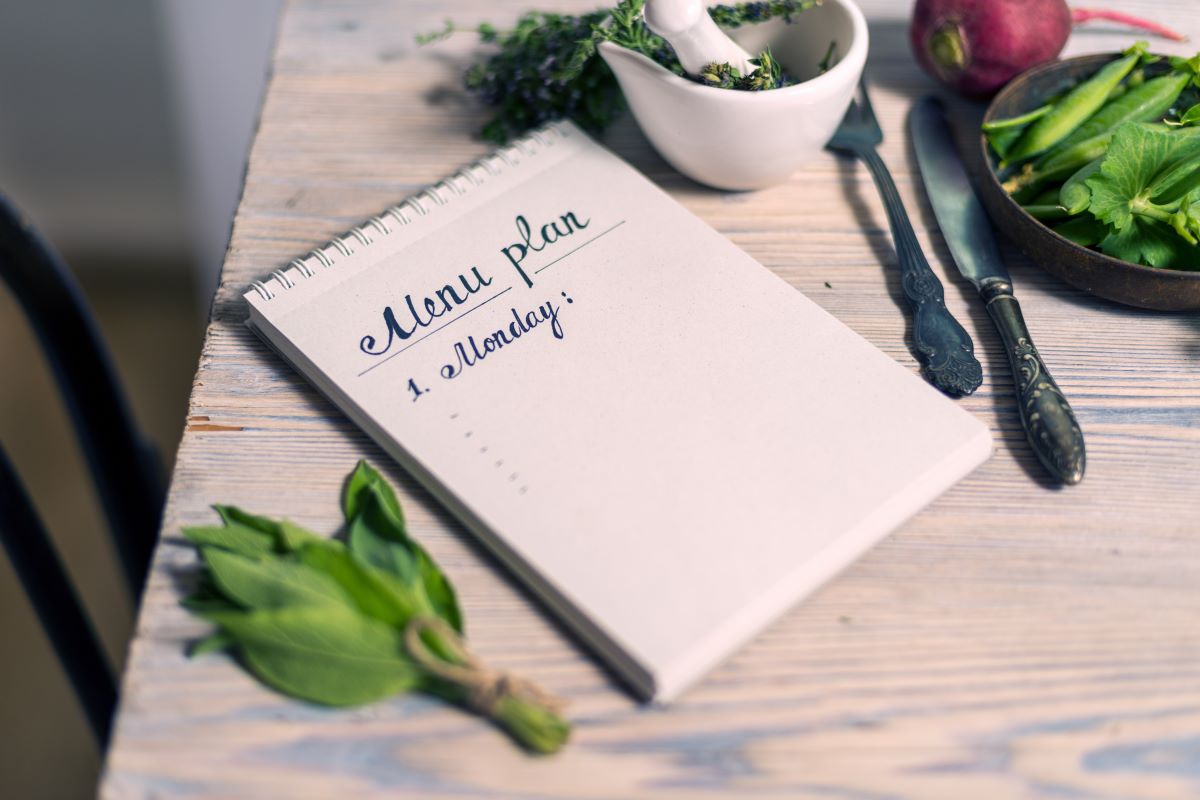
Meal planning goes hand-in-hand with budgeting. It’s not just about cooking (that’s a skill on its own, which I’ll talk about later) but also about knowing:
- What’s cheap and what’s expensive, and how to make trade-offs
- How to stretch a week’s worth of meals without living on noodles
- How to stop food waste by rotating what’s in the fridge and using up leftovers
- How to avoid 6 pm panic (meal planning = fewer takeaway nights)
Planning ahead, buying wisely, reducing waste and learning to feed yourself well on a budget are all skills relevant today, even if it’s easy to order in Uber Eats.
Cooking Challenge: My kids enjoy experimenting and whipping up different pasta sauces based on whatever’s lurking in the fridge, and a friend’s daughter got a cookbook for her birthday and is cooking her way through it recipe by recipe. These little challenges turn meal planning into something creative and fun rather than a chore.




3. Cooking from Scratch

Cooking from scratch is about having the confidence to pull together something decent with what you’ve got.
That confidence comes from starting small, following one simple recipe, making it over and over, and then experimenting until you make it your own. My kids started with eggs – scrambled, omelettes, for instance, because they’re cheap, quick, and easy.
From there, you can branch out to pasta, rice, noodles, and other flexible, frugal meals.
The basics I want them to know are:
- Why it matters: Cooking from scratch is cheaper (that $30 takeaway meal can often be made at home for $5).
- Nutrition counts: Eating at home is usually healthier. As my son said after his restaurant work experience: “Mum, everything’s oil — the mayo is made from oil, the fish and chips are cooked in oil, even the salad is covered in an oil dressing.”
- Cheat meals at home: Freezer chicken tenders with rice and veggies still beat fast food, even if it’s instant rice.
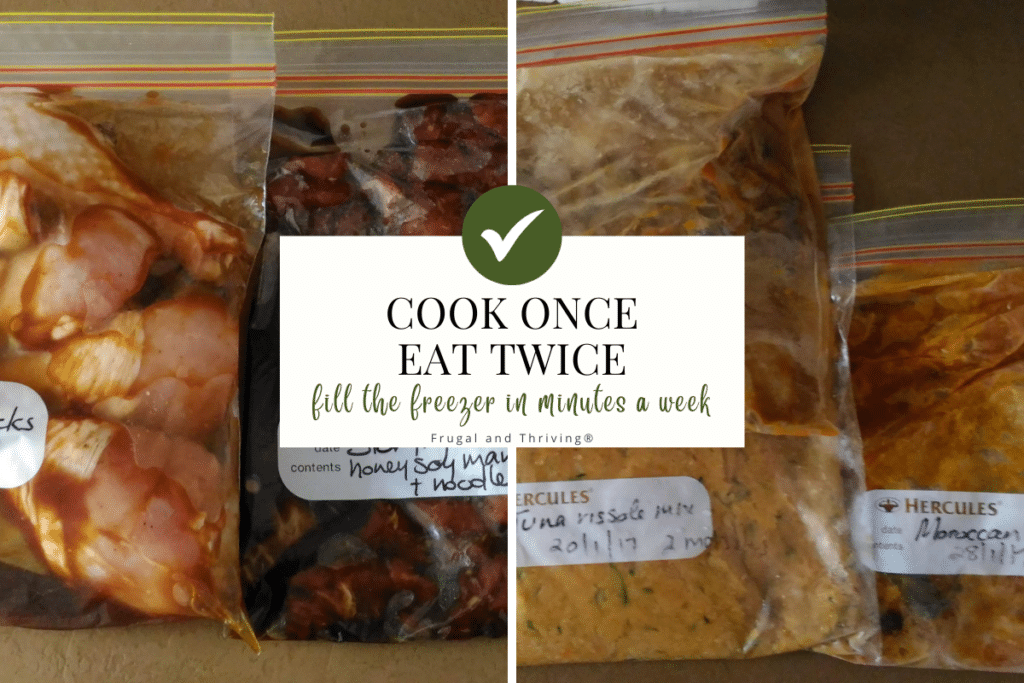
- Batch cooking: cook once, eat twice. Leftovers for lunch or the freezer save time and money. There are a ton of batch cooking recipes on Insta and Pinterest.
And then there are the little hacks that make student life easier.
Cooking from scratch is a vital skill for adulthood, which also helps with saving money. Start with just one recipe or some fun baking.
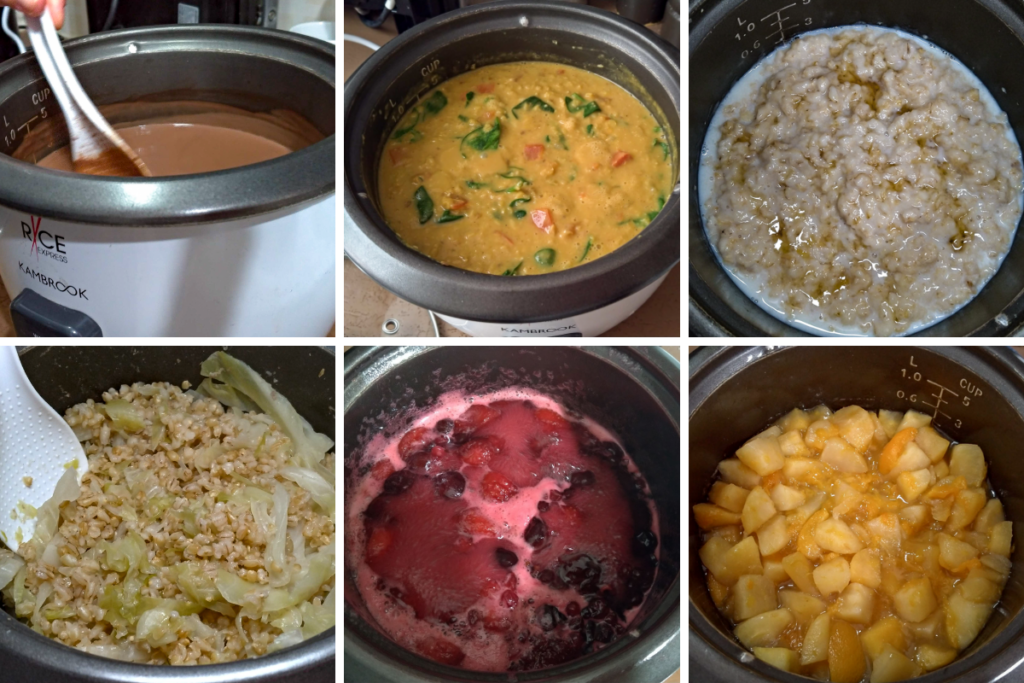
One of my favourite small appliances for students is the humble sandwich press. It’s quick, cheap to run, and far more versatile than people realise. You can toast sandwiches, reheat leftovers, or even cook kebabs, steak (super fast) or fry an egg. Paired with a microwave for pasta, rice, or steamed veg, it makes frugal single-serve meals simple, perfect for a share house or dorm room.


4. Laundry and Clothing Care

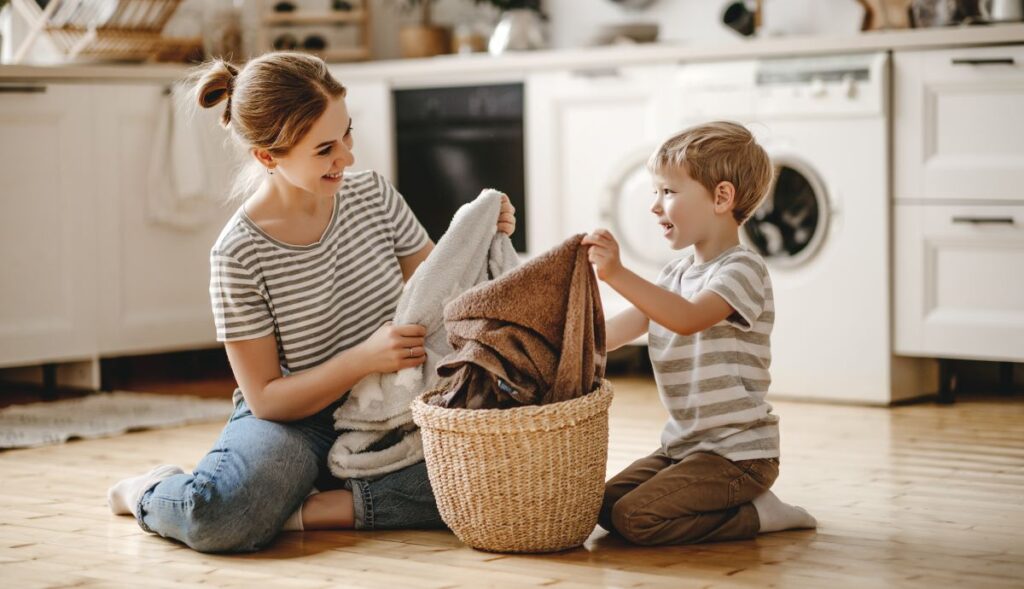
The other day I asked my son to put on a load of washing. Our machine is all digital – you literally just throw the clothes in and press a button – but he wasn’t sure how to use it.
It made me realise that while laundry feels automatic to me, it’s a skill set that still needs to be taught.
The basics I want my kids to know include:
- Sorting clothes (lights, darks, towels, delicates)
- Washing in cold vs warm water, and why hot water can set a stain
- How much detergent to use (because half a cup of powder isn’t better than one scoop!)
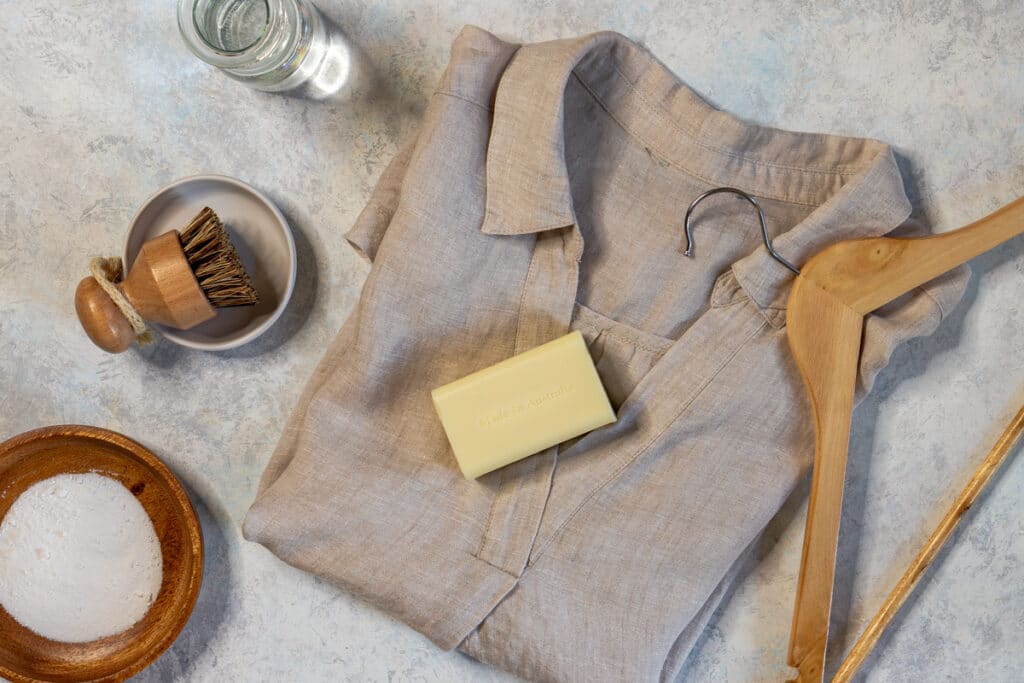
- Treating stains before they go into the wash, and how to do it
- Hanging clothes so they dry properly (not in a clump that goes smelly, and not all skew-whiff on the line)
And then there’s mending.
I’ve known people who have thrown out a whole shirt because of a single missing button. That’s a waste of resources and money. So while none of us will ever have dressmaker status skills, I’m teaching both my son and daughter basic sewing.
And places like Scouts have a badge sewing night every year. I say this because I believe it takes a village, and I don’t think it’s just parents who have to teach every skill to their kids (grandparents can be great sources of skills too!).
5. Cleaning and Household Skills
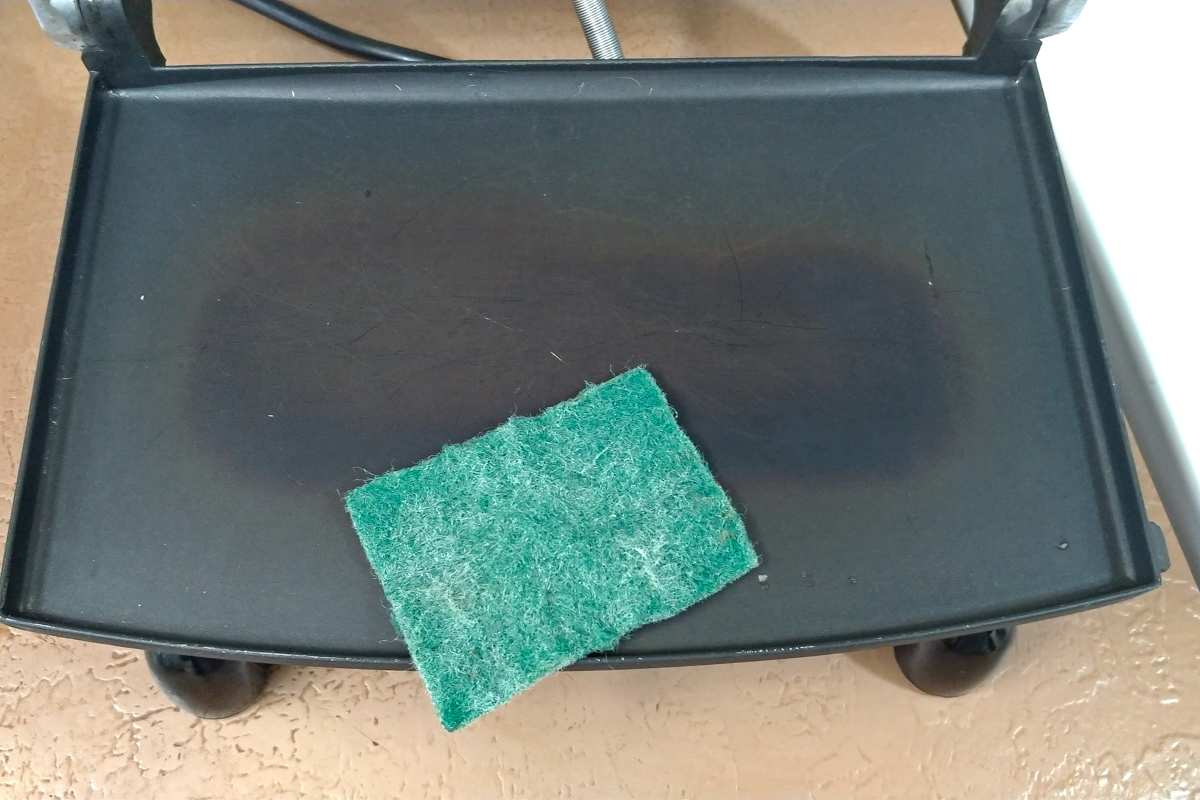
Rhythms make household work easier because you don’t have to think about it too much. For me at least, the old “laundry day” from the past still works now, along with set days for vacuuming, washing sheets, or doing a seasonal spring clean.
These rhythms and routines mean the work gets done without a constant mental load.
Modern tools can help too.
I use Todoist to remind me when things are due, and there are even gamified cleaning apps that give you a little dopamine hit when you tick things off.
In a share house, you quickly learn the importance of these basics. Nobody wants to shower with a glob of hair in the drain or open the fridge to mouldy food.
The basics I want my kids to know are:
- How to do the dishes (and keep them done daily)
- How to vacuum and mop floors regularly
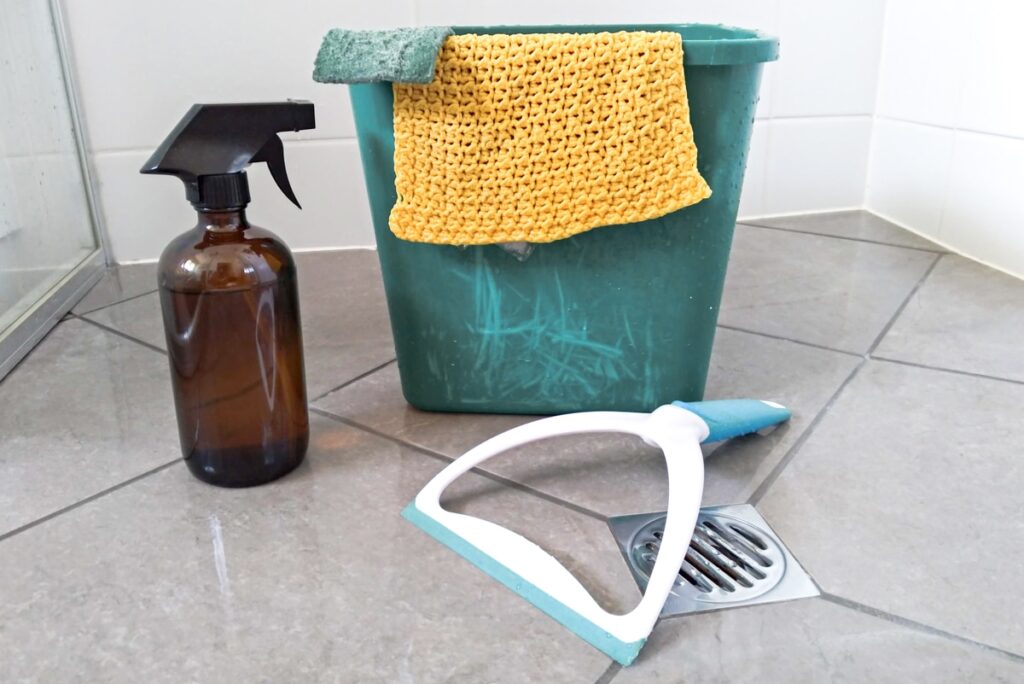
- How to clean the bathroom — showers, sinks, and toilets included
- How to manage the fridge so food doesn’t go off
- When to wash sheets, towels, and tea towels, etc.
- Dusting and general tidying to keep a place livable
- How to make minor repairs (like change a lightbulb or fix a tap)
Having natural rhythms at home means kids will (probably…hopefully) absorb them almost by osmosis; teaching them is just the details.



6. Admin and Time Management
One of the biggest shocks of adulthood isn’t the cooking or the cleaning — it’s the hidden work.
The invisible work of life admin.
Suddenly, nobody is reminding you about the dentist, keeping track of the bills, or making sure you leave the house on time. If you’re not used to doing it, the weight of all those little responsibilities can come as a real shock.
Time management is one of those skills we don’t really teach – or maybe that’s just me.
And for teenagers, it can be especially tricky. My kids can be a little time-blind, and while school helps with planning assignments, it doesn’t teach you how to juggle deadlines alongside work shifts, appointments, and social commitments. And being late all the time? That has very real-world consequences when you’re an adult.
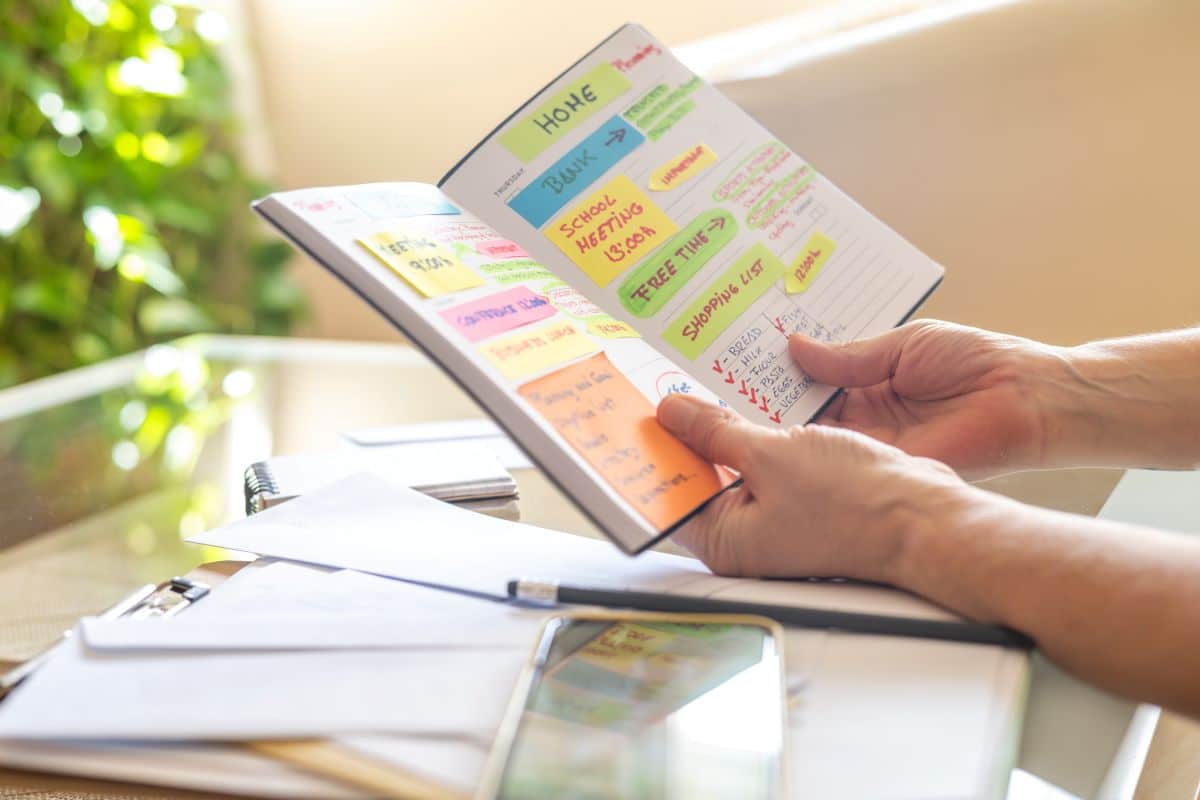
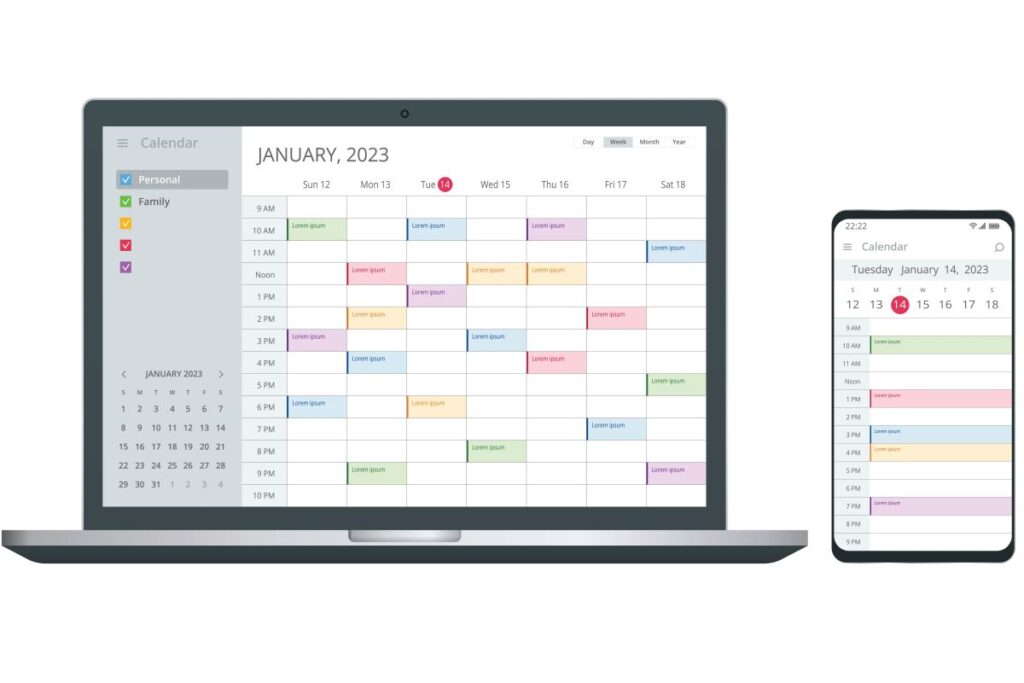
Personally, I rely heavily on alarms, calendars, reminders, and notifications. I’m trying to pass this on to my kids so they start building their own systems now, instead of learning the hard way later like I did. Because while my parents taught me chores, the life admin? I had to learn that myself.
The basics I want them to know are:
- How to use a calendar (digital or paper) to keep track of commitments
- Setting reminders and alarms so things don’t slip through the cracks
- Estimating how long tasks actually take (and giving yourself buffer time)
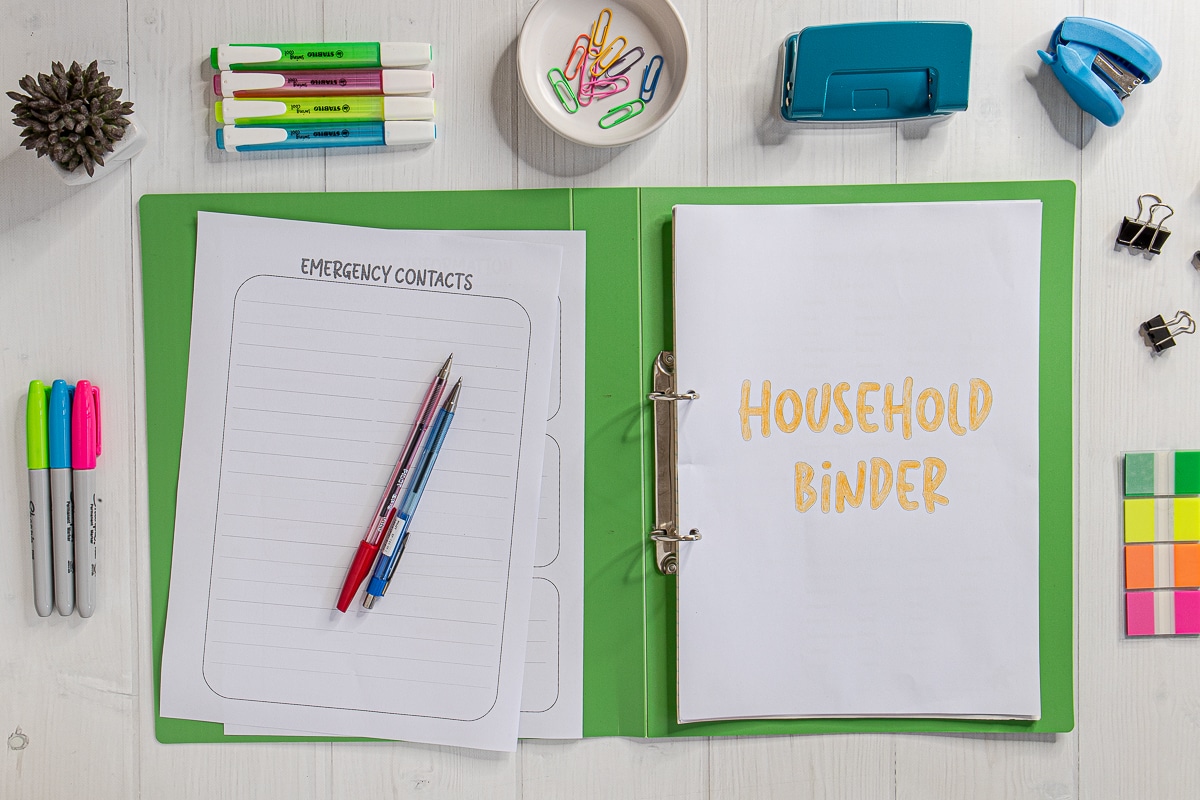
- Filing bills, forms, and important documents so they don’t disappear in a pile
- Planning ahead for projects like Christmas shopping, which is basically budgeting + scheduling rolled into one
- Household admin: knowing bin day, recycling properly, and actually bringing the bins back in
Life admin can be a big chunk of home economics. And it’s only increasing. For me, this is one of the most ignored skills that is absolutely essential for teens to learn.
Why I rely on reminders: I’m the kind of person who has alarms and notifications set for everything — from dentist appointments to leaving the house on time. My phone pings, so I don’t have to carry it all in my head. It’s a simple system, but it keeps the mental load lighter. I know living by bells would be hell for some people, but I couldn’t function without it, and I’m showing my children so they have the skill and can choose to use it or not, depending on what suits them.
7. People Skills and Living With Others

There’s a lot of chatter about how younger generations struggle with people skills (although there’s evidence that’s just moral panic about being online [source]).
Nevertheless, I think they’re important enough not to be overlooked.
Maybe it’s just a reflection of my own struggle (my father would whack me over the back of the head if I didn’t make eye contact with someone. Like I said, different times), and I don’t want my kids to struggle.
People skills cover everything from being able to discuss a problem with your doctor, advocating for yourself, to resolving an issue in a shop, to ordering food at a café.
And when you’re living with others, they’re essential. Sharing spaces means learning to compromise, cooperate, and keep things fair, like taking turns in the bathroom so everyone has time to get out the door on time.
The basics I want my kids to know are:
- How to explain themselves clearly to service staff, doctors, or teachers
- How to handle returns, complaints, or disagreements calmly
- Respecting shared spaces: cleaning up after yourself, not hogging the bathroom
- Simple hospitality: offering a drink, welcoming guests, helping clear up
- Making conversation, even small talk, to build a connection
- Standing up or speaking up for themselves (or others) if needed


8. The Bigger Picture: Mindset and Responsibility
Ok, I’m going to get a bit soap-box-y, so feel free to skip…
Running a home isn’t just about what happens inside your four walls. The decisions we make at home ripple outward, whether that’s keeping the volume down so the neighbours can sleep, or reducing waste so it doesn’t end up in landfill.
I think being responsible isn’t only about looking after yourself; it’s about considering the impact you have on others.
It’s easy to feel like we live in isolation, but we’re not islands.
We exist as part of a network of families, workplaces, neighbourhoods, communities, and democracies. Even if the effect isn’t always visible, the way we show up in our homes and communities affects the people around us.
That’s why I want my kids to grow up seeing themselves as part of a bigger whole. Because when we participate, whether that’s helping out, respecting shared spaces, or simply being reliable, it comes back to us as well.
It gives us a sense of purpose, pride, and connection.
The basics I want them to carry into adulthood are:
- Notice what needs doing
- Knowing first aid
- How to drive a manual car (weird one to throw in, but still a useful skill)
- Respect shared spaces (from bathrooms to bin night)
- Remember that your actions affect others, even when you don’t see it
- Contribute to the community
- Value connection, because quality, two-way relationships are important
These things have always mattered. But in a time when loneliness is on the rise and can have detrimental consequences to our health and mental well-being [source, source], teaching our kids the value of community, contribution, and connection feels more important than ever.
Times change. These days, we’ve got AI to help us, online shopping at our fingertips, and digital calendars to keep us on track. But the underlying principles haven’t shifted: budgeting wisely, feeding yourself, paying the bills, taking care of your home, getting along with others, and being a responsible member of the community still matter as much as ever.
That’s what I want my kids to carry with them when they step out on their own.
What about you? What life skills do you wish you’d learned before leaving home, or what are you hoping to pass on to your own kids?